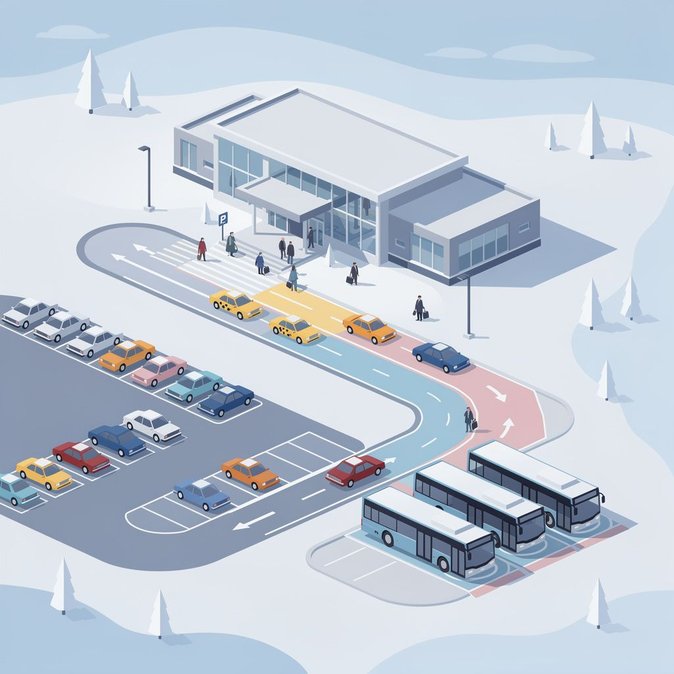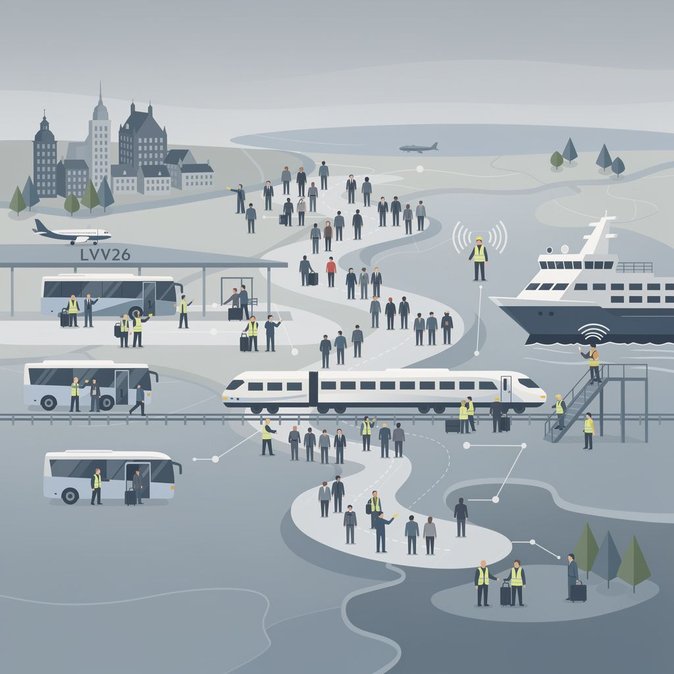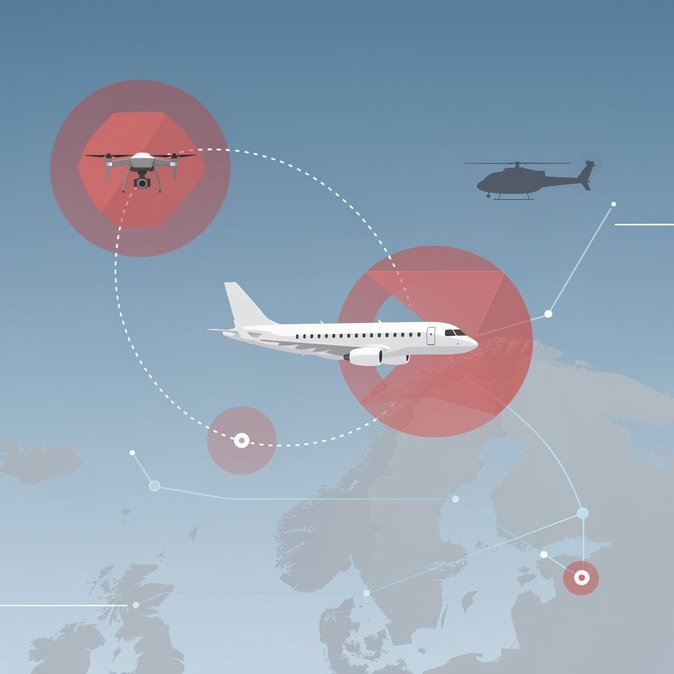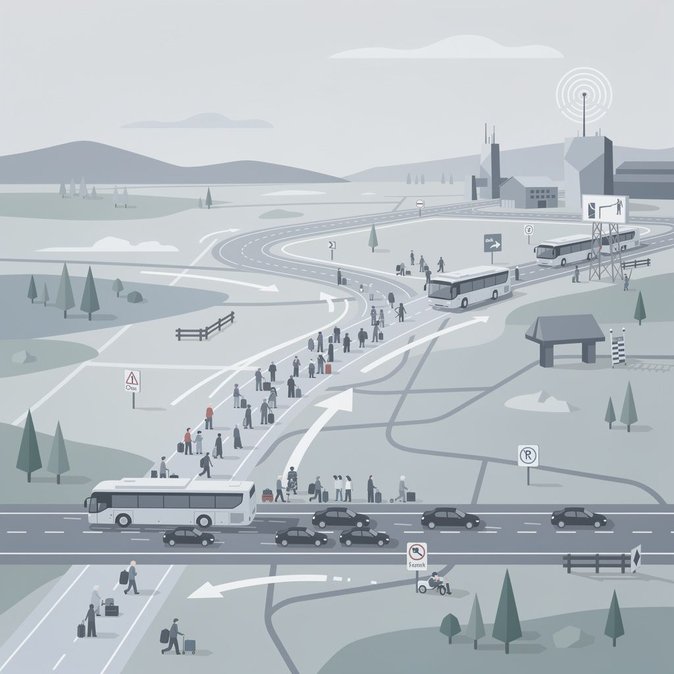
Finland today launched the main phase of its largest civil-protection exercise in years, codenamed LVV26, to practise the mass relocation of civilians under severe security stress. Organised by the newly created Licensing and Supervision Agency (LVV), the three-day drill (29 September – 1 October 2026) brings together more than 10,000 participants from 500 organisations, including ministries, regional authorities, transport operators, telecom companies and NGOs. The scenario imagines a rapidly deteriorating international situation that disrupts critical infrastructure and raises the threat of armed force. Teams must coordinate evacuation routes, set up reception centres, maintain essential services and communicate safety information to the public in real time. Because Finland is geographically elongated with only two north-south highways and limited rail redundancy, the exercise places special emphasis on multimodal transport planning and the use of digital platforms to share live traffic data. For business-travel and mobility managers, the drill is more than a theoretical exercise. Authorities have reserved sections of major highways for convoy traffic during off-peak hours, and local police have warned of intermittent road closures around Jyväskylä and Kuopio. Companies that rely on same-day courier services or employee travel between regional hubs may encounter delays of up to 30 minutes. LVV has asked employers to encourage remote work or flexible hours during the 72-hour test window. The exercise also provides a preview of how Finland might interface with neighbouring EU countries in a real displacement event. Cross-border liaison officers from Sweden and Estonia are observing the drill, and real-time situational reports will be shared with the EU Civil Protection Mechanism. Multinational firms with Nordic footprints should watch the post-exercise debrief for insights into future emergency-lane allocations at key border crossings such as Tornio-Haparanda and the Port of Helsinki. Markku Hutka, LVV’s chief rescue inspector, said the goal is to “ensure that society can keep vital functions running even when large-scale population movements are necessary.” The findings are expected to feed into forthcoming amendments to Finland’s preparedness and border-security legislation, potentially affecting how transport operators and employers must plan for contingency mobility.