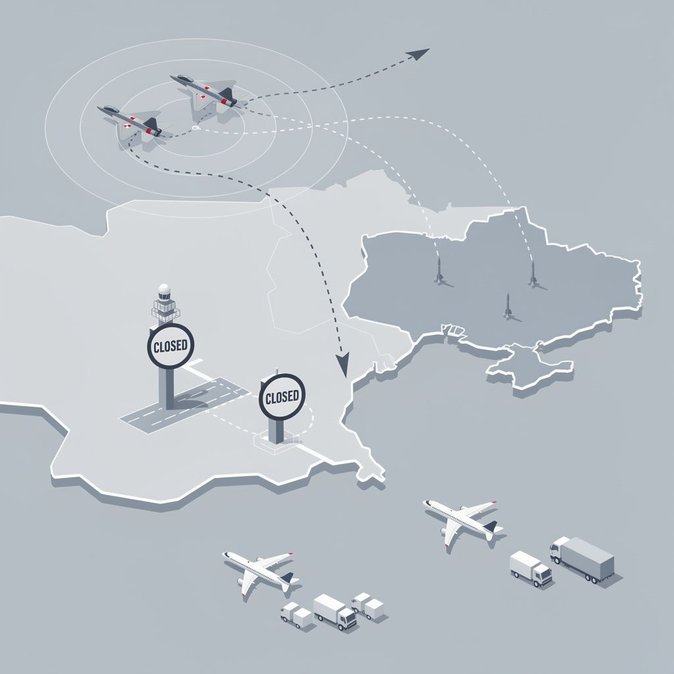
Poland’s Border Guard (SG) announced on 30 September that it had located and expelled a 61-year-old Ukrainian man the same day he was detained, marking one of the fastest removals conducted under the 2025 amendments to the Foreigners Act. The individual was picked up in Opole after intelligence sharing with the Internal Security Agency (ABW) indicated that he posed a state-security risk. Within hours the Minister of the Interior issued an immediate-effect return order, complete with a 10-year Schengen-area re-entry ban. The man was escorted to the land frontier and handed to Ukrainian authorities before midnight, the SG said. No details of the security allegations were released, although officials stressed that the case demonstrates the ‘operational readiness’ of Poland’s joint deportation task force created last year. The accelerated procedure circumvents Poland’s otherwise lengthy administrative-court appeals process when credible national-security intelligence is involved. Since the law changed, average removal time in such cases has dropped from 27 days to under 48 hours, according to SG statistics. For multinational employers the message is clear: foreign staff whose residence permits lapse or whose activities raise red flags can now be removed almost immediately. Mobility teams should therefore monitor employees’ compliance status in real time and ensure that sensitive assignments receive enhanced vetting. Law firms note that while humanitarian appeals remain possible, they do not suspend execution of a security-based return order. Companies should have contingency plans for urgent document retrieval and payroll off-boarding if key personnel are suddenly expelled.
Source: Straż Graniczna