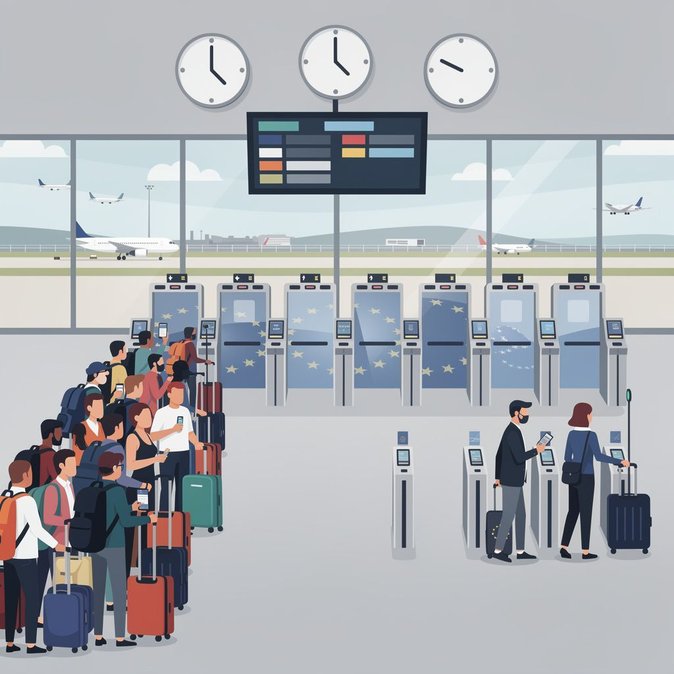
Meeting in Luxembourg on 1 October 2026, the EU Justice and Home Affairs (JHA) Council endorsed new legislation that streamlines the return of migrants who have no legal right to remain in the Union. Germany’s Interior Minister Nancy Faeser welcomed the package, calling it "a cornerstone for relieving frontline member states and safeguarding Schengen freedoms." The regulation obliges member states to step up readmission diplomacy with countries whose nationals dominate the new border-procedure caseload. If cooperation is deemed insufficient, the Council can now trigger visa-policy leverage—such as suspending facilitation agreements—more quickly. For Germany, which has maintained internal border checks since 16 September due to high irregular arrivals, the rules offer a pathway to scale back temporary controls once return rates improve. Ministers also discussed the Commission’s five-point plan to reinforce external-border technology, including faster rollout of the Entry/Exit System and full interoperability of large-scale databases by 2027. Germany briefed partners on its Baltic Sea security summit and pushed for joint procurement of surveillance drones that could later be redeployed on the Polish-German land border. Corporate mobility teams should note that accelerated returns can shorten the timeframe in which rejected applicants lodge follow-up humanitarian requests in Germany. Legal advisers recommend auditing employee-sponsorship pipelines to ensure all documents meet the stricter admissibility checks now being harmonised at EU level. Although the Pact on Migration and Asylum is still being implemented, the Council decision signals that enforcement—rather than new legal pathways—will dominate the autumn agenda. Germany’s cabinet is expected to transpose the return measures via a fast-track amendment to the Residence Act before year-end.
Source: Council of the European Union