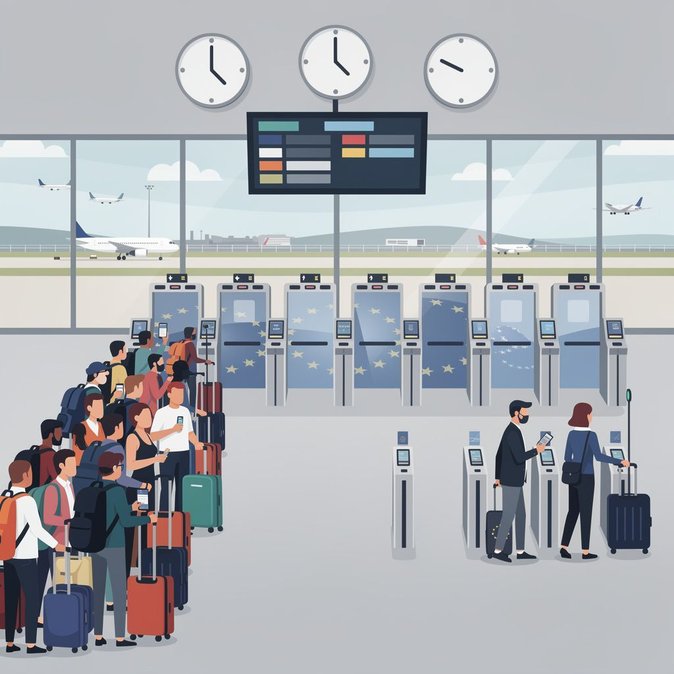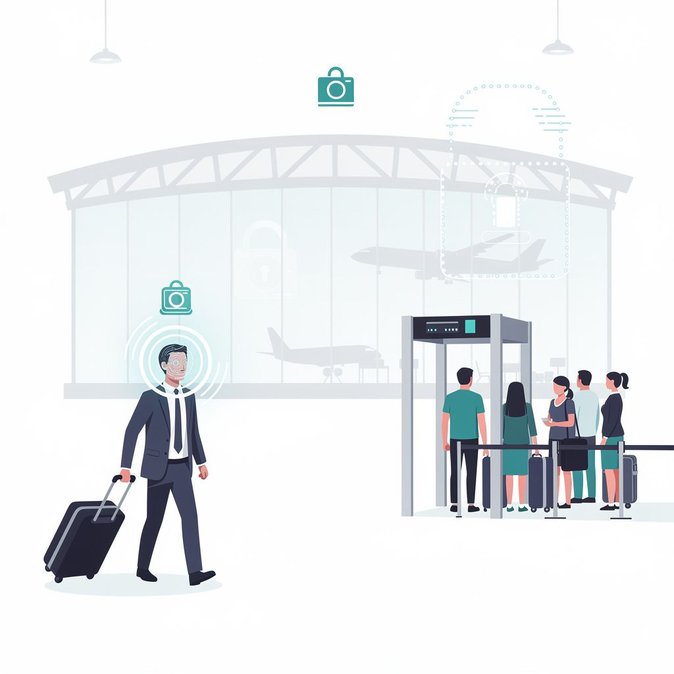
Travel through Berlin Brandenburg Airport (BER) just became faster. From 1 October 2026, passengers can opt into “BER Biometrics”, a facial-recognition system that lets travellers pass security and boarding gates without showing a boarding pass. The service—which was quietly tested over the summer—requires users to register their face and passport in the BER App at least six hours before departure. Once verified, their encrypted biometric template is stored locally on the device and matched against cameras at dedicated lanes. Airport operator FBB says the lanes can process 220 passengers per hour, roughly double the throughput of conventional checkpoints. For airlines and corporates, the benefit is predictability. “Missed flights cost us around €5 million a year,” a Lufthansa station manager explained, adding that the airline plans to pre-enrol frequent-flyer profiles this quarter. Business travellers enrolled in the program receive real-time push notifications on queue times and gate changes, information that can be fed into travel-management platforms. Privacy advocates have raised concerns about data retention and opt-out clarity. FBB insists that images captured in the lanes are deleted immediately after verification and that personal data never leaves the user’s phone. The German Data Protection Conference (DSK) has opened a review but conceded that voluntary schemes under the EU Digital Markets Act can be compliant if safeguards are met. With Frankfurt and Munich airports also evaluating similar technology, mobility managers should update travel policies to include biometric-lane eligibility, crew briefing and contingency plans for employees who prefer conventional screening. Early feedback from the first morning of live operations indicates an average security wait of seven minutes, down from 18 minutes last week.
Source: BER Airport