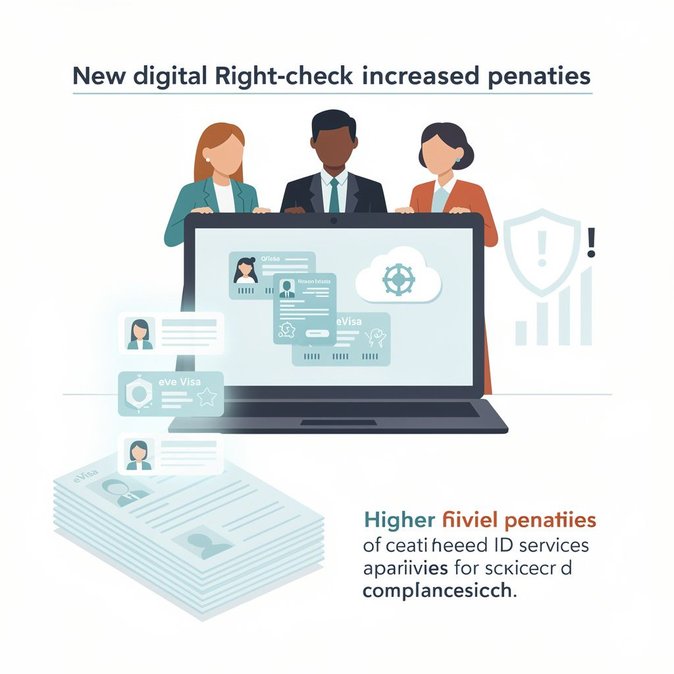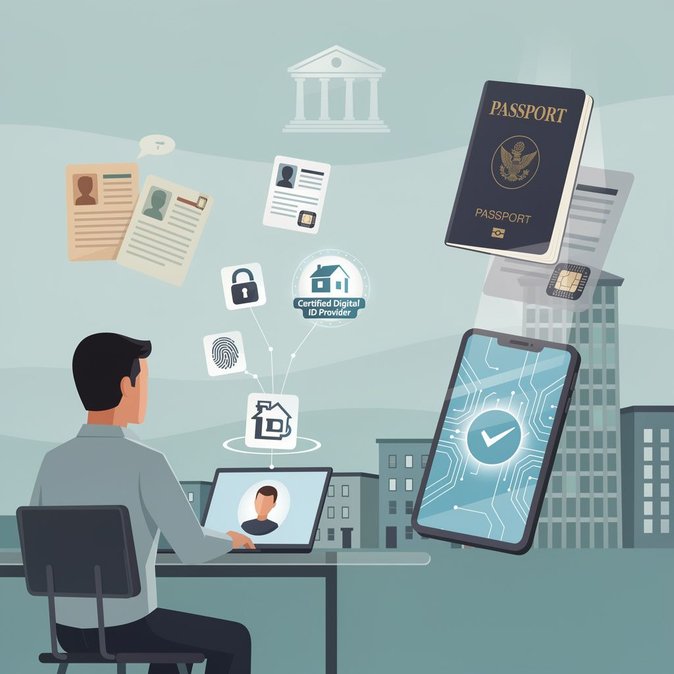
A transparency release published on 30 September 2026 shows the scale of Britain’s digital border transformation: more than 10 million foreign nationals now rely on an electronic visa (eVisa) instead of a physical sticker or Biometric Residence Permit. The Home Office data also reveal that error-correction requests amount to less than 1 % of live eVisas, with most fixes completed within five working days. The switch matters for employers, landlords and carriers because an eVisa can be verified only online using the holder’s UKVI share-code; there is no physical document to inspect. From February 2026 the same platform has supported Electronic Travel Authorisations for visa-exempt visitors, and ministers say both systems will feed into a fully risk-based “single traveller record” by 2028. For global mobility teams the immediate implication is administrative: assignees must create a UKVI account, keep passport details updated, and generate share-codes whenever they start a new job, tenancy or trip overseas. HR systems should capture the code and expiry date rather than photocopies. The data also give a first look at the Home Office’s error dashboard, showing common mistakes such as misspelt names, wrong nationality codes and outdated sponsor licence numbers. Mobility managers should encourage employees to check their online status as soon as a visa is granted to avoid airport refusals or payroll glitches. Airlines and Eurostar are expected to move to automated eVisa validation during 2027, making real-time accuracy critical.
Source: GOV.UK – Transparency data