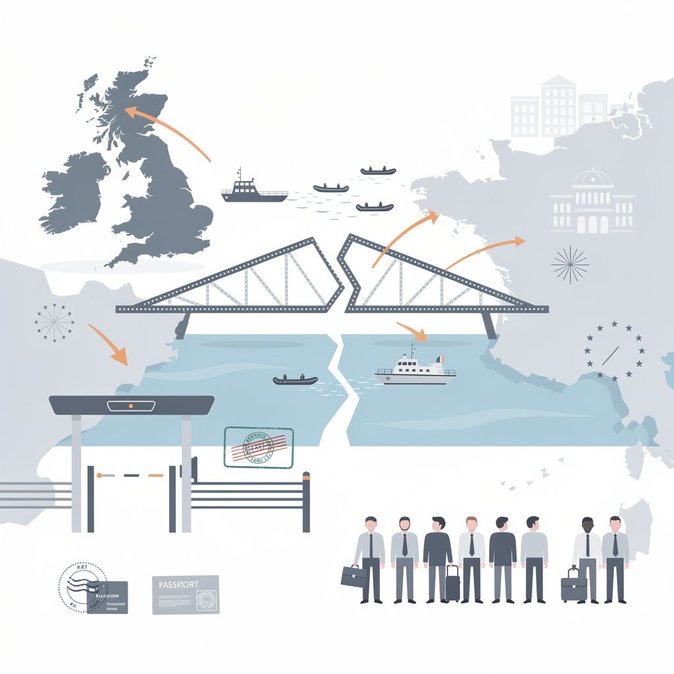
The experimental “one in, one out” agreement that London and Paris signed in July 2025 officially lapses at midnight on 1 October 2026 after the two governments failed to extend it. Under the pilot scheme the UK agreed to accept one asylum-seeker transferred from France through a legal humanitarian corridor for every irregular migrant France took back from small-boat crossings. Fewer than 1,500 people were moved in each direction during the 14-month trial – far short of the several thousand envisaged – and French officials told reporters that scaling the exchange up without an EU-wide framework was politically impossible. For Downing Street, the collapse of the deal is a blow to Prime Minister Andy Burnham’s pledge to create “orderly alternatives” to dangerous Channel crossings while cutting the overall asylum backlog. Home Office sources say the UK will keep returning the 312 people already in the pipeline but will not refer new cases. Border Force expects a spike in attempted crossings as smugglers exploit the policy vacuum in the coming weeks, although poor autumn weather may temper numbers. Business travel and corporate mobility managers should note that political pressure to deter boat arrivals is likely to intensify debate on wider immigration routes. Officials are already reviewing sponsorship compliance and visitor visa rules, and ministers hinted that tougher carrier-liability fines could form part of a new bilateral package with France later this year. Multinationals moving staff between the two countries should therefore prepare for possible last-minute changes in documentation or pre-boarding checks at Calais, Coquelles and Dover. In the longer term the end of the scheme removes a rare legal channel for French-based refugees to reach the UK, meaning humanitarian cases may again surface in corporate mobility policies (for example when relocating employees with dependent family members stuck in France). Companies are advised to monitor follow-up negotiations closely and update mobility risk assessments for travel across the Channel.
Source: The Guardian