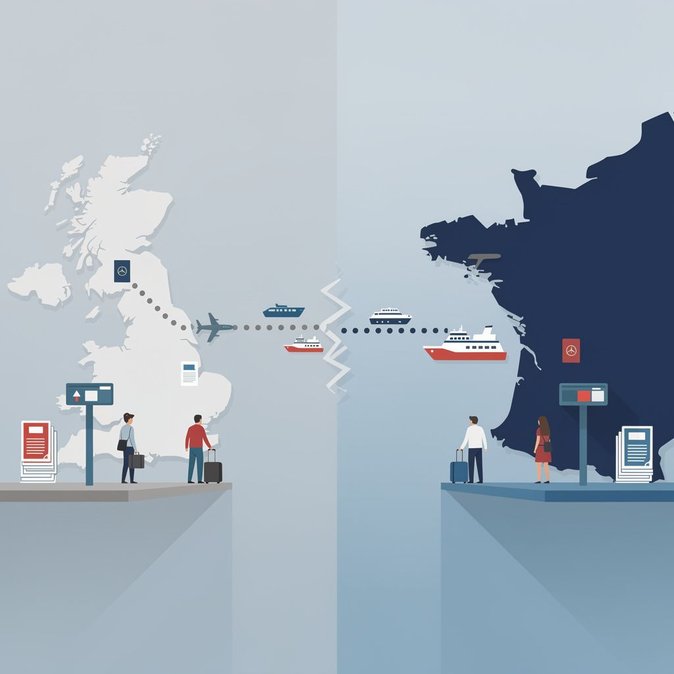
The British Home Office confirmed on 30 September that the bilateral “one-in, one-out” arrangement with France—designed to deter irregular small-boat crossings of the English Channel—has been terminated with immediate effect. Agreed in July 2025, the pilot allowed London to return to France one person intercepted after an illicit Channel crossing, in exchange for the legal transfer to the UK of one asylum-seeker already on French soil. In practice, about 1,500 people were removed from the UK and a similar number admitted from France before Paris notified Westminster last week that it would not extend the scheme beyond its 1 October expiry date. French officials told Le Monde that the administrative burden outweighed marginal deterrent benefits, and that the political optics of the swap had become “untenable” ahead of France’s 2027 presidential race. For the new Labour government in London, the collapse of the pilot is a serious setback. Prime Minister Andy Burnham had hoped to show early progress on stemming Channel crossings without reviving the controversial Rwanda offshoring policy. Officials now concede that the UK has lost a managed return route just as arrivals are rising again: Home Office data show more than 32,000 crossings so far in 2026, including a single-day record of 781 last week. Business travel and global mobility teams should expect knock-on effects. Border Force is redeploying officers from e-gate halls to small-boat processing centres, and union sources warn of longer immigration queues at major airports during the October half-term peak. Employers sponsoring talent on tight project timelines may need to factor in additional arrival time and potential reputational questions about the UK’s immigration stability. Policy-wise, attention is likely to shift to expanding the UK’s Electronic Travel Authorisation (ETA) requirement to cover more Channel visitors and to accelerating plans for a “contactless” biometric border by 2027. However, immigration lawyers note that any future returns agreement with France will require deeper legal alignment and likely a new financial contribution—costs that will feed into the next Spending Review.
Source: Associated Press