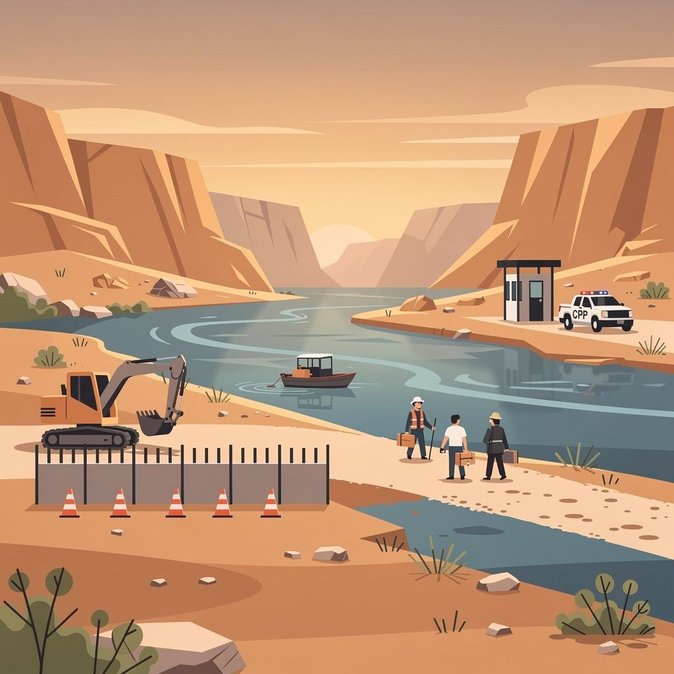
Court filings made public late on September 30 indicate that U.S. Customs and Border Protection (CBP) is “actively considering adjustments” to a planned border-security project that would have added roads, lighting, vehicle barriers and surveillance towers in Texas’ Big Bend National Park. The agency paused ground activity in August after environmental groups, local residents and tourism operators warned that heavy construction could scar one of the most remote stretches of the U.S.–Mexico frontier. Under the new timeline, CBP will announce a final decision in the first week of October and promises a further “several-week” gap before any ground-disturbing work begins. Although the filings give no specifics, sources close to the project say the agency may cancel a 30-foot bollard fence segment and limit road-building to areas outside sensitive wildlife corridors. For global mobility practitioners, the development underscores how physical-infrastructure decisions can affect cross-border worker flows. Big Bend’s Boquillas and Santa Elena crossings, used by ranch hands, adventure-tourism guides and medical-service providers, could have faced closures during construction. A scaled-back plan lessens that risk and suggests CBP may weigh commercial and ecological impacts more carefully in future projects. Companies with personnel who transit the Del Rio and Marfa Sectors should monitor CBP notices for any temporary closures or changes to crossing hours. Mobility managers should also revisit emergency-evacuation plans given the park’s limited cell coverage and medical facilities. The episode highlights the importance of engaging early in environmental review processes that intersect with mobility corridors.
Source: Associated Press