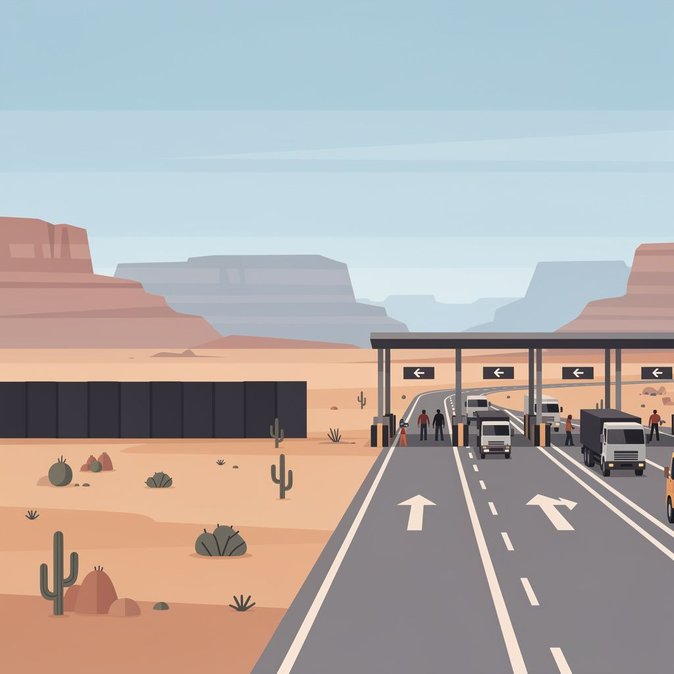
The Department of Homeland Security told a federal court on September 30 that it is “actively considering adjustments” to its planned border-wall project through Big Bend National Park in Texas. The filing signals a possible retreat from constructing 70 miles of steel fencing across environmentally sensitive terrain, a project critics say would hinder eco-tourism and cut off cross-border scientific exchanges. For manufacturers and energy companies that truck goods through nearby ports of entry, the project’s fate affects routing times and customs staffing. CBP had planned new patrol roads and sensor towers, which could divert personnel from commercial-lane processing during construction. A downsized footprint could therefore keep more officers at cargo booths, reducing wait times during peak export season for Texas-made electronics and auto parts. Environmental groups and local ranchers filed suit in January, arguing DHS ignored National Environmental Policy Act (NEPA) requirements. Texas lawmakers from both parties have urged DHS to adopt a lighter virtual-wall approach—high-resolution cameras and aerostats—rather than permanent barriers. If DHS scales back, contractors may pivot to technology installs, presenting opportunities for defense-tech vendors but delaying construction visas for Mexican nationals expected to work on the physical wall. Mobility teams supporting those workers should hold off on L-1 and TN filings until scope is finalized. The court asked DHS for an updated construction timeline by December 15, leaving cross-border shippers in planning limbo for at least another quarter.
Source: Associated Press