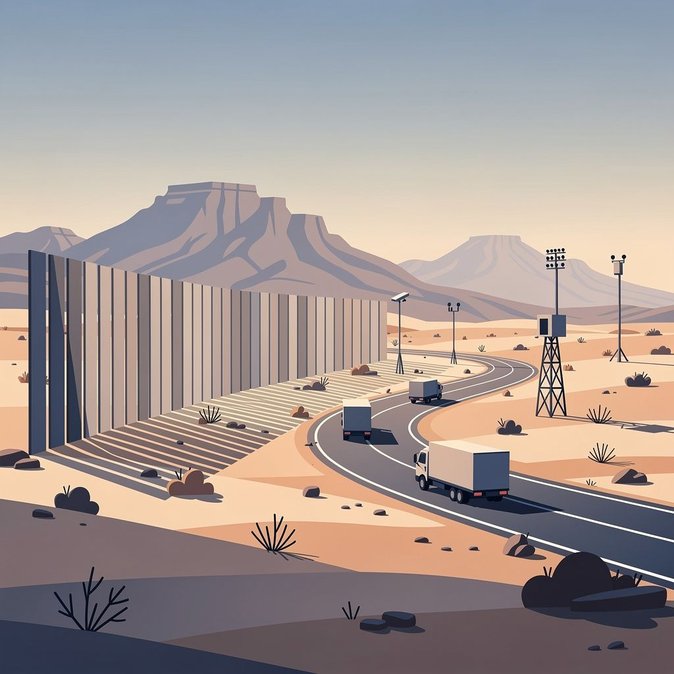
The Trump administration is reconsidering plans to construct a 30-mile steel barrier through the rugged canyons of Big Bend National Park in Texas, according to officials who spoke to the Associated Press on September 30. Interior-Department engineers have warned that soil instability and flash-flood risk could cause sections of the wall to collapse, potentially blocking the Rio Grande and violating international water treaties with Mexico. Homeland Security is now studying alternative surveillance measures—towers, drones and all-terrain patrols—that would leave the park’s iconic vistas largely untouched while maintaining what the administration calls ‘operational control’ of the border. Environmental groups that sued to halt construction hailed the pause but cautioned that replacement technology could still disturb wildlife corridors used by black bears and migratory birds. For cross-border commuters and trade flows at the Presidio port of entry, a scaled-back wall could reduce detours and road closures that had been planned during the two-year construction schedule. Logistics companies that move goods between Chihuahua and West Texas may face fewer route disruptions, lowering transport costs. The decision comes as the Government Accountability Office prepares to release an audit of barrier spending, and as Congress debates FY 2027 funding for border infrastructure. Businesses with supply chains that cross the Southwest border should stay alert for revised construction timelines or new technology checkpoints that could affect trucking schedules.
Source: Associated Press