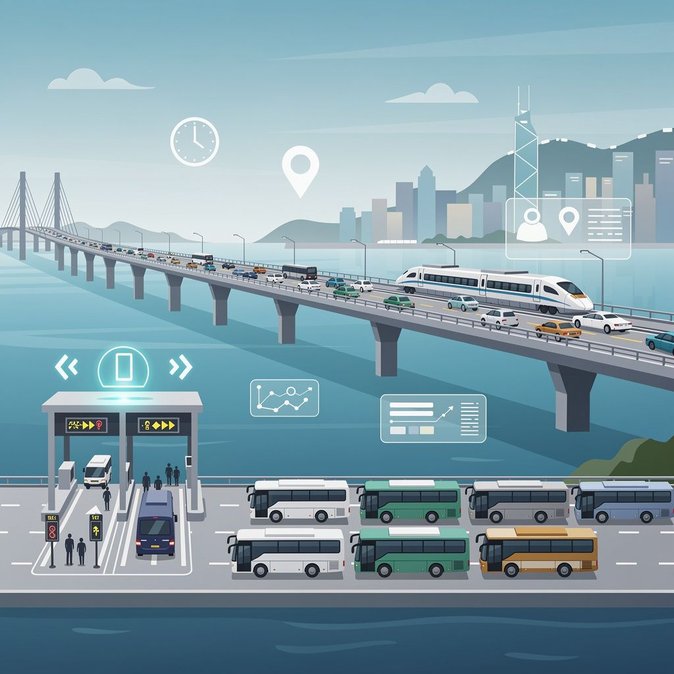
Hong Kong took another step toward overhauling one of its busiest land checkpoints on Sunday, 4 October 2026, when the Security Bureau opened the gates of the completely rebuilt Huanggang Port Building to 1,500 invited residents. The community experience day allowed participants to ride franchised buses and cross-boundary coaches to the new port, tour the five-storey facility and watch live demonstrations of the “collaborative inspection, one-time release” model that will replace the traditional two-stage clearance used since the 1980s. Inside the sleek departure hall, Immigration Department officers walked visitors through 134 automated e-channels that will verify both Hong Kong and Mainland credentials in a single scan. Customs officers on the arrivals level showcased integrated X-ray screening zones designed to shorten inspection times for luggage and parcels. Free government Wi-Fi, barrier-free lifts and smart way-finding kiosks highlighted the building’s passenger-friendly credentials, while the Fire Services Department ran safety drills to reassure the public that emergency response times meet international standards. Security Secretary Tang Ping-keung told reporters the dry-run was the final rehearsal before the port’s targeted opening “as early as 12 October.” He emphasised the economic dividends: Huanggang handles roughly 20 per cent of all cross-boundary passenger traffic; cutting average clearance from 45 minutes to under 10 will boost labour mobility in the Greater Bay Area and support the government’s goal of attracting 50 million mainland visitor-trips per year by 2027. The upgrade also serves a strategic talent-attraction agenda. Under the forthcoming Top Talent Pass Express Lane, non-mainland expatriates living in Shenzhen will be able to use dedicated counters at Huanggang to enter Hong Kong for same-day meetings, easing regional business travel. Technology firms in the nearby Qianhai & Northern Metropolis zones are already negotiating shuttle-bus licences that sync with the new e-channel system. For corporates, the message is clear: start revising travel policies and vendor contracts now. Once the port goes live, employee shuttles, just-in-time logistics and weekend leisure trips between the SAR and Guangdong will become markedly faster—an immediate productivity win for companies with split-site teams across the border.