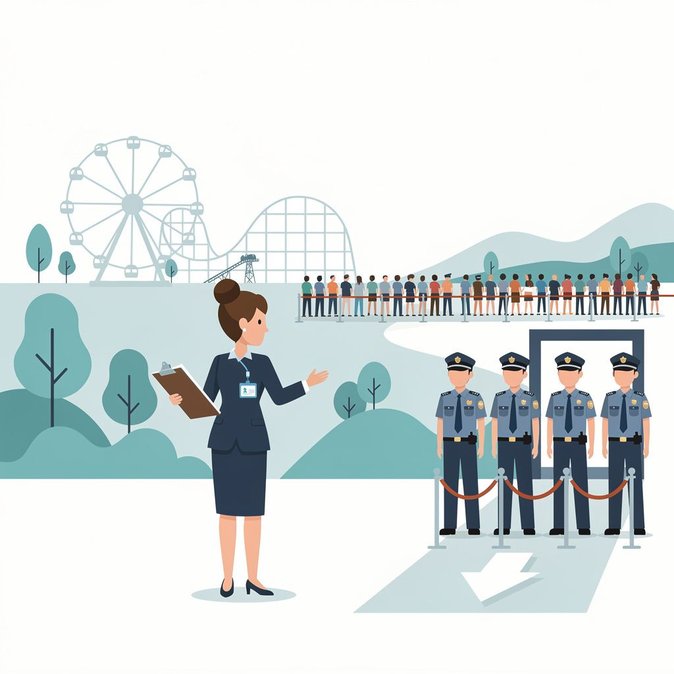
Hong Kong’s Commissioner for Tourism, Ann Chan, spent the evening of 30 September and the morning of 1 October making unannounced visits to eight of the city’s most popular attractions—including Hong Kong Disneyland, Ocean Park, the Peak Tram and Ngong Ping 360—to verify crowd-control and staffing plans ahead of the mainland National Day rush. Chan told reporters that operators had complied with government requirements to cap hourly capacity, deploy multilingual signage and activate overflow queues. At the Peak Tram terminus, officials tested a newly installed digital ticketing system that assigns visitors a boarding window, reducing clumping and allowing travellers to explore nearby shops instead of waiting in line. The Tourism Industry Authority and Immigration Department have launched joint enforcement patrols to deter unlicensed tour guides and exploitative shopping stops, problems that tarnished Hong Kong’s reputation during previous peaks. Inspectors issued five verbal warnings on 30 September for guides failing to display identification. From a global-mobility perspective, the enhanced oversight reassures multinational employers sending assignees and visiting executives to Hong Kong during the break. Travel-risk managers say orderly crowd conditions mitigate concerns about health, safety and meeting schedules for VIP delegations. Corporate events venues at AsiaWorld-Expo and the Convention Centre are also feeding real-time occupancy data to the Tourism Board to help security planners allocate police resources. If the crowd-management blueprint proves successful, the Tourism Commission intends to convert some of the temporary measures—such as QR-code tour-bus permits—into permanent schemes before the Christmas/New-Year peak, when another influx of regional travellers is anticipated.
Source: Information Services Department