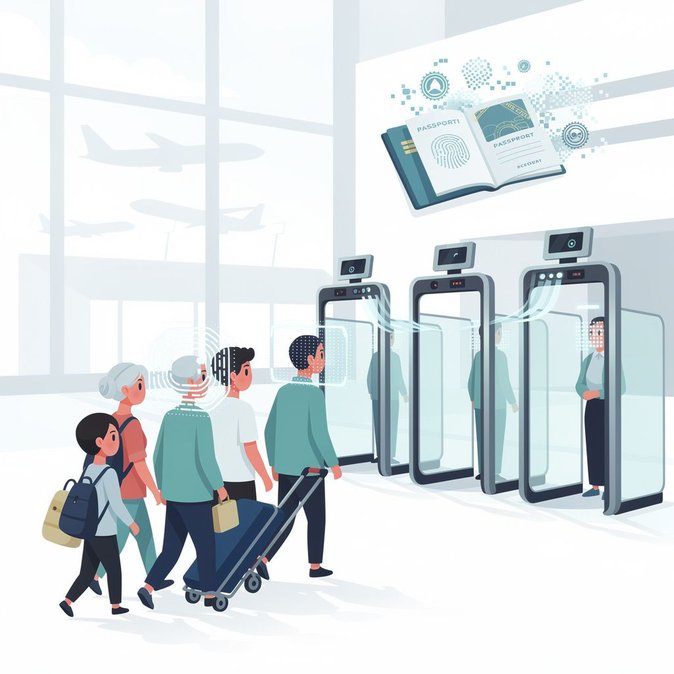
U.S. Customs and Border Protection announced on October 7 that its biometric entry-exit system has now processed one billion traveller encounters across air, land and sea ports of entry. The milestone comes nine years after CBP began large-scale deployment of facial-comparison cameras and reflects accelerating adoption by airlines and cruise operators. Officials say the system has achieved a 98 percent match rate and has already identified more than 600,000 visa overstays and 2,300 impostors using fraudulent travel documents. Recent congressional funding—part of the 2026 “Big Beautiful Bill”—has earmarked US $673 million to expand biometric infrastructure, paving the way to phase out physical passport stamps entirely over the next five years. Privacy advocates remain wary, arguing that the program lacks clear opt-out mechanisms for U.S. citizens and that data-sharing agreements with airlines need stronger safeguards. CBP counters that images of U.S. nationals are encrypted and deleted within 12 hours and that the technology has shaved an average of 30 percent off primary-inspection processing times. For global-mobility practitioners, the billion-scan benchmark signals that biometric boarding and arrival are fast becoming the default at U.S. airports. Employers should brief travelling staff on the process, update travel-risk assessments for facial-recognition policies in foreign jurisdictions and review internal record-retention practices to ensure alignment with CBP data-use disclosures.
Source: Identity Week
How VisaHQ can help
VisaHQ simplifies the visa application process for individuals and businesses. Check current travel requirements, prepare the required documents and manage your application online through the VisaHQ United States of America portal.More From United States of America
View all
DHS proposes record-breaking $70,000 fee for schools that place foreign students in OPT jobs

Federal judge blocks rule that slapped immigrants with million-dollar civil fines for failing to depart