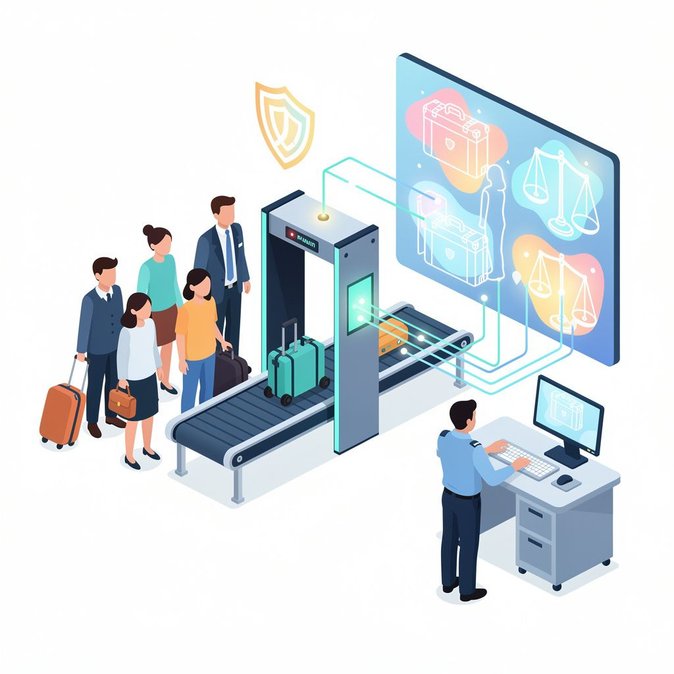
In an interview published October 7, Acting TSA Administrator Ha Nguyen McNeill said the agency is moving from pilot to production use of generative and predictive artificial-intelligence models for threat-detection and passenger risk scoring at U.S. airport checkpoints. The technology will power next-generation X-ray image analysis, flagging anomalies in real time and reducing manual bag checks. McNeill stressed that AI deployment is being paired with strict privacy controls and ongoing consultation with civil-liberties groups. TSA has created an internal AI governance board to vet algorithms for bias and to oversee secure handling of traveller data, including digital driver’s-license (mDL) credentials now accepted at 28 airports. The agency also confirmed that its “TSA Gold+” program—allowing airports to contract private screening vendors under TSA supervision—will integrate the same AI tool-sets, ensuring uniform security standards nationwide. Industry insiders say predictive analytics could eventually enable true risk-based queue sorting, cutting wait times for low-risk flyers without expanding PreCheck enrollment. Corporate travel managers should monitor the rollout schedule: early deployments are underway at Atlanta, Phoenix and Las Vegas, with Chicago O’Hare and Dallas/Fort Worth slated for Q1 2027. Travellers may notice fewer random swabs and more automated resolutions of bag alarms, but they should also expect intermittent systems testing that could briefly slow lanes during the transition period.
Source: Identity Week
How VisaHQ can help
VisaHQ simplifies the visa application process for individuals and businesses. Check current travel requirements, prepare the required documents and manage your application online through the VisaHQ United States of America portal.More From United States of America
View all
DHS proposes record-breaking $70,000 fee for schools that place foreign students in OPT jobs

Federal judge blocks rule that slapped immigrants with million-dollar civil fines for failing to depart