Czech Industry Minister Leads 50-Company Delegation to India to Deepen Trade and Ease Market Entry
September labour data signal room for more foreign recruitment as Czech unemployment holds at 5 %
Prague Žukovského Immigration Office Closed 5–8 October 2026 for Emergency Repairs; Clients Redirected to Chodov
Latest News

Key Prague immigration office reopens after four-day closure—expect backlog in residence processing
Prague’s Žukovského immigration office, closed 5–8 October for technical reasons, has reopened but faces a backlog of more than 1,000 appointments. Foreign employees awaiting biometric enrolment or residence-card pickup should expect re-scheduling and potential delays, while employers are urged to monitor deadlines and consider alternative filing options.
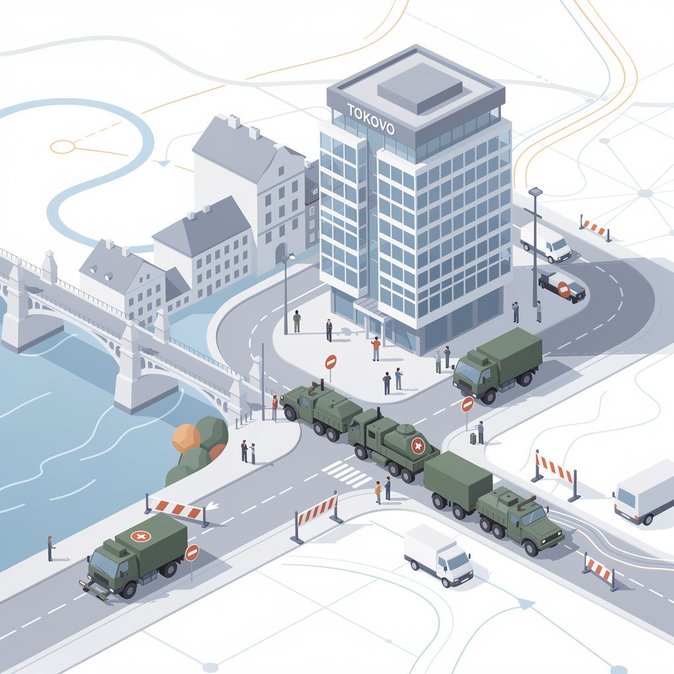
SAFEGUARD HMP 2026 Military Exercise to Cause Traffic and Access Restrictions in Prague 7, 9–14 October
From 9–14 October 2026 the SAFEGUARD HMP 2026 exercise will bring military convoys, road closures and restricted access around the Tokovo building in Prague 7. Employers should warn staff of possible delays, reroute deliveries and ensure expatriate contact details are up to date. The drill underscores the need for mobility contingency planning in the Czech capital.
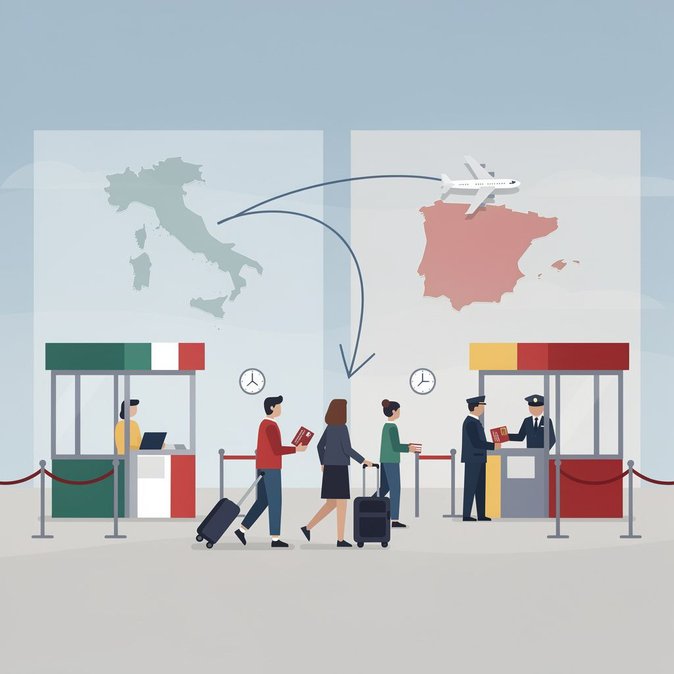
Spain reintroduces border checks with Italy—what it means for Czech business travellers
Spain has temporarily reinstated border checks on arrivals from Italy between 8 and 22 October 2026. Although the controls are bilateral, Czech nationals and residents transiting through Italy into Spain may face passport inspections and longer queues. Businesses should allow extra connection time, brief travelling staff and verify that all passports and residence cards are valid.

Czech ‘Aliens Act’ Clears Lower House, Heads to Senate for 21 October Debate
The sweeping overhaul of Czech immigration law has left the Chamber of Deputies and is scheduled for Senate debate on 21 October 2026. The bill aims to digitalise residence permits, accelerate Blue Card processing and align Czech rules with EU mobility directives—changes that will significantly affect employers hiring foreign talent.
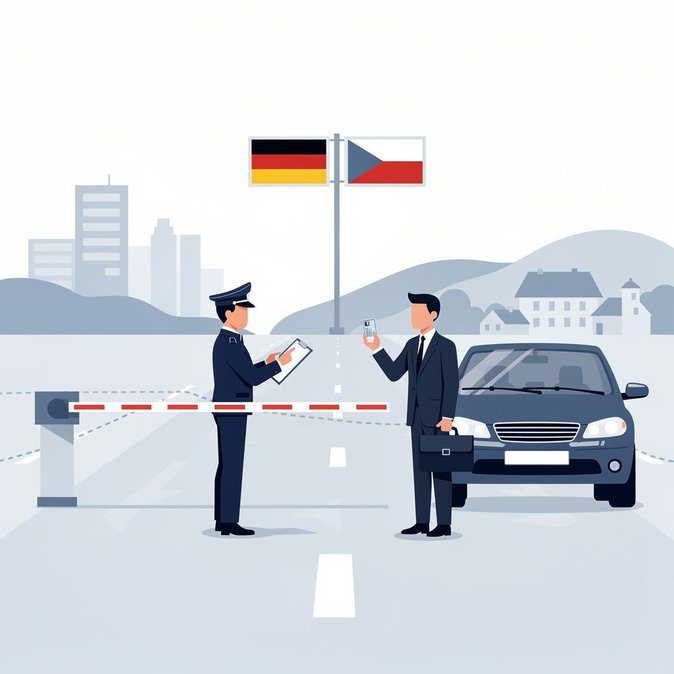
Germany Confirms Ongoing Border Checks on the Czech Frontier in Latest Travel Advisory
Germany’s updated 7 October 2026 travel notice confirms that temporary police controls at the German-Czech land border remain in place. Czech business travellers face document checks and potential delays, so firms should plan extra time and ensure staff carry valid IDs. The measure highlights lingering Schengen-area friction over irregular migration.
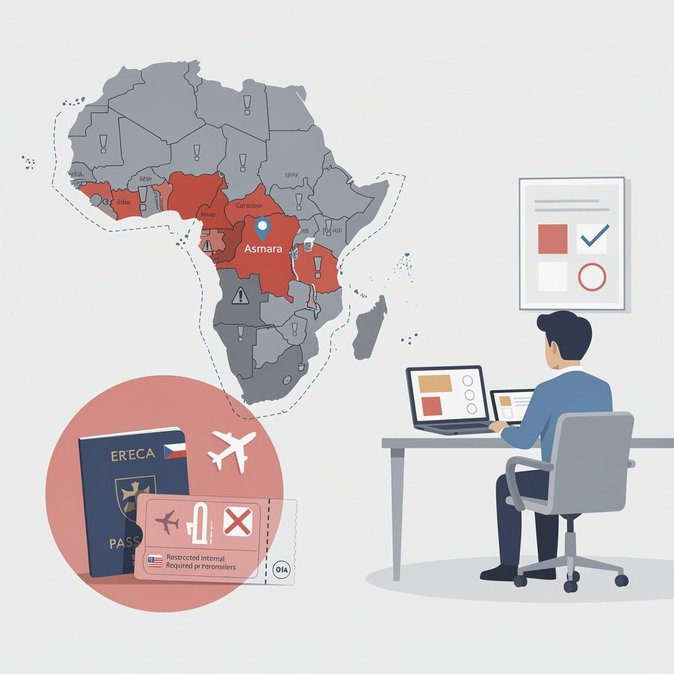
Czech Foreign Ministry Warns Citizens to Avoid Eritrea’s Border Regions
On 7 October 2026 the Czech MFA issued a new warning advising citizens to refrain from visiting Eritrea’s border regions due to heightened security risks. Consular support outside Asmara is limited and travel permits are required for most internal journeys. Mobility managers should reassess assignments and ensure employees are registered in the DROZD system.
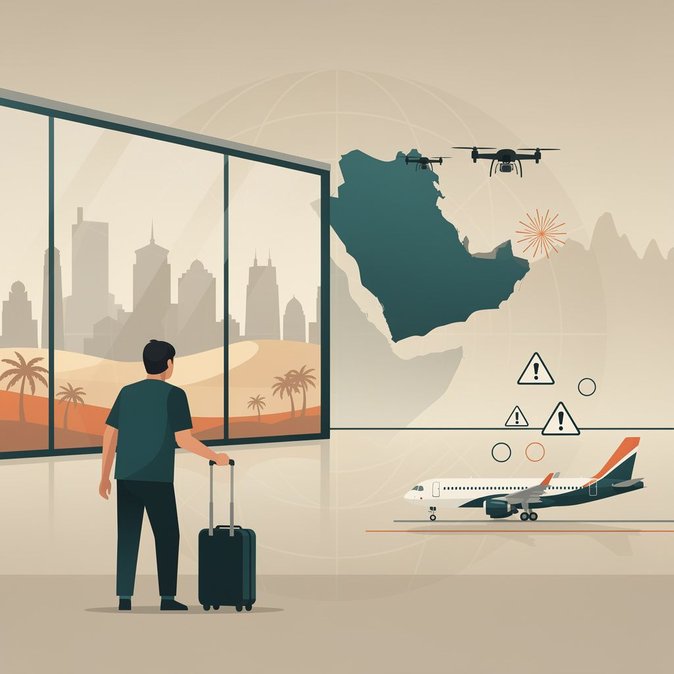
Heightened Drone-Strike Threat Prompts Czech Warning for Saudi Arabia
Czech diplomats now classify most non-essential travel to Saudi Arabia as high-risk after renewed Houthi drone attacks. The MFA urges citizens to keep visits short, avoid the Yemeni frontier and prepare for possible flight disruptions. Corporations should review contingency protocols for staff transiting or working in the kingdom.
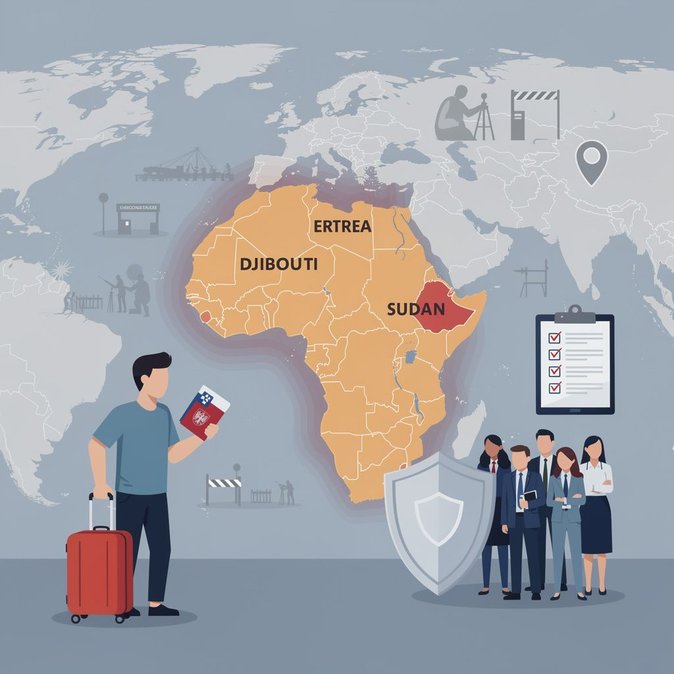
Czech MFA Warns Citizens Against Travel to Eritrea’s Border Regions Amid Rising Tensions
On 7 October 2026 the Czech MFA warned citizens to refrain from travelling to Eritrea’s border zones with Ethiopia, Djibouti and Sudan, citing armed-conflict risks and scant consular support. Czech firms and NGOs operating in the Horn of Africa should reassess duty-of-care measures and register staff in the DROZD system.
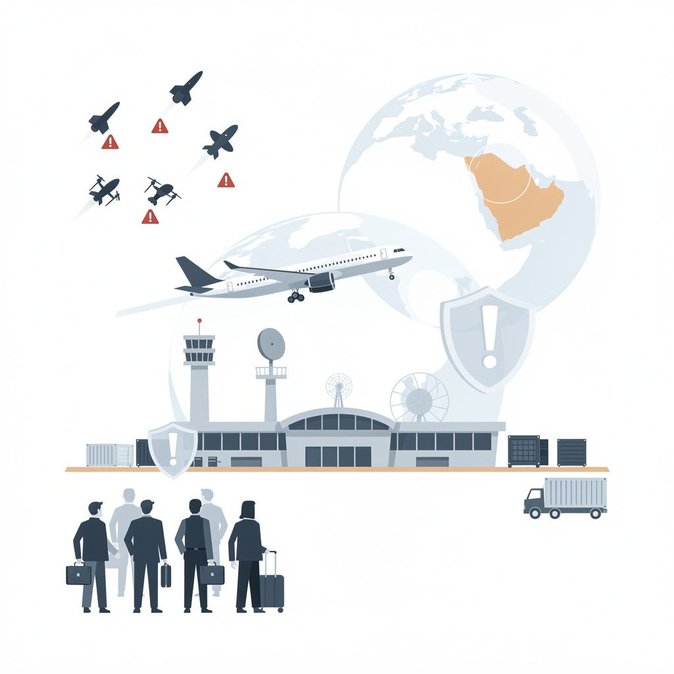
Saudi Arabia Travel Alert: Czech MFA Cautions Over Missile and Drone Threats
A 7 October 2026 Czech MFA alert advises against non-essential travel to Saudi Arabia, citing increased Houthi missile and drone strikes on airports and critical infrastructure. Czech businesses with staff or cargo in the kingdom should brace for flight disruptions and higher insurance costs and reinforce security protocols.