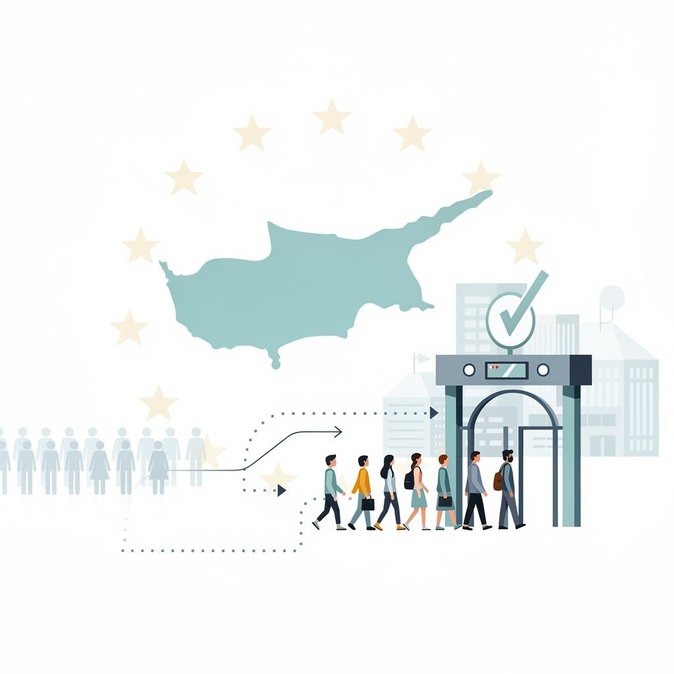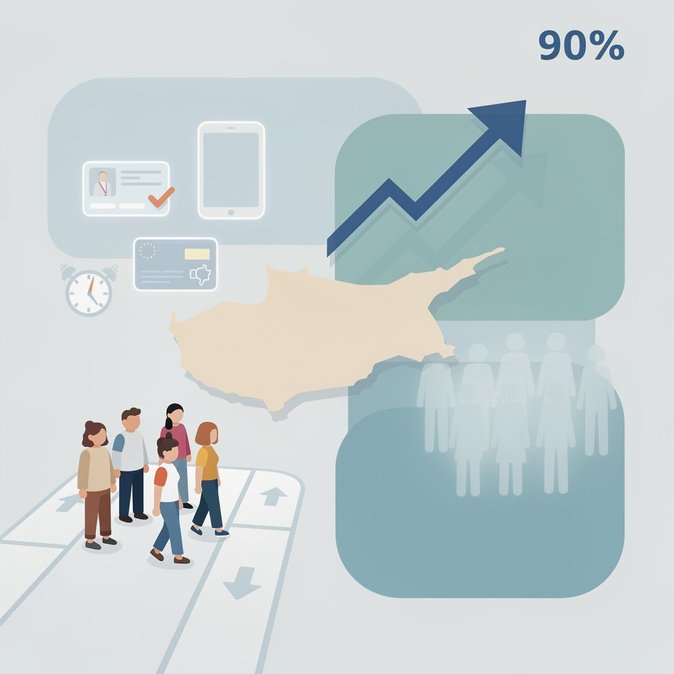
Speaking at a University of Nicosia forum on 9 October, Deputy Minister of Migration and International Protection Nikolas Ioannides revealed that irregular arrivals to Cyprus have plunged by “around 90 %” compared with their 2022 peak. Ioannides credited the drop to a three-pillar strategy introduced ahead of the EU Pact on Migration and Asylum, which began applying in June 2026. Key measures include fast-track asylum processing, the digitisation of residence-permit renewals and an aggressive returns programme carried out with FRONTEX support. Cyprus has organised or joined more than 40 charter flights returning some 40,000 people since early 2023. The deputy minister said the government simultaneously expanded legal pathways by signing labour-mobility agreements with Egypt and India and by renewing the Cyprus Startup Visa through December 2026. He argued that “controlled, skills-based migration” is vital to fill shortages in construction, tourism and nursing without overburdening the asylum system. Ioannides also underlined Cyprus’ preparations for eventual entry into the Schengen area, including the rollout of an Entry/Exit IT platform that will track every third-country national from arrival to departure. That system is slated to go live in March 2027 and will integrate with the EU’s new biometric EES database. For multinational employers, the sharp fall in irregular arrivals is reducing congestion at the Pournara reception centre and cutting average asylum processing times from 21 months to below nine. This, combined with digital permit renewals, is expected to shorten the onboarding timeline for locally hired third-country nationals and improve overall mobility predictability. Analysts caution that numbers could rise again if conflict in neighbouring regions intensifies, but the EU pact’s solidarity and relocation mechanisms should give Cyprus — historically one of the Union’s most heavily affected first-arrival states — a stronger safety valve than in the 2015–2016 crisis.
Source: Cyprus Mail