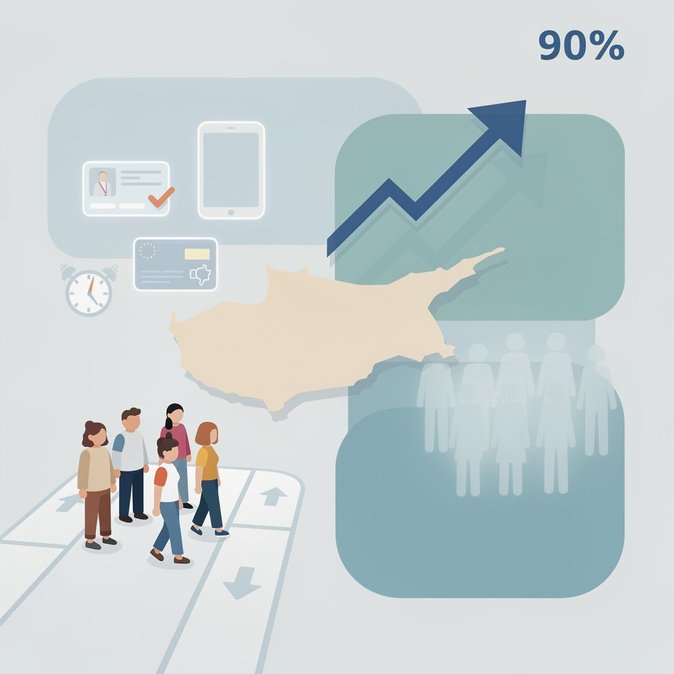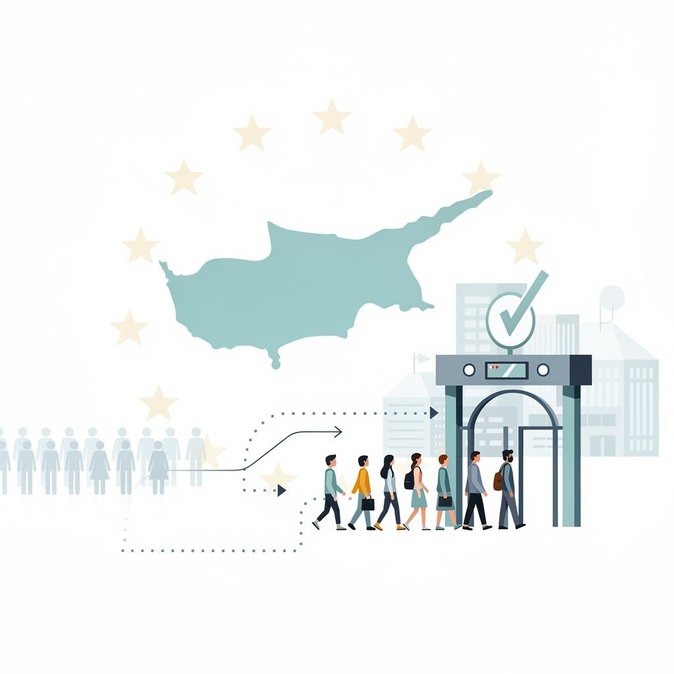
Speaking at the University of Nicosia on 9 October 2026, Deputy Minister of Migration and International Protection Nicholas Ioannides said arrivals of irregular migrants to Cyprus have fallen by "around ninety per cent" compared with the peaks of 2022. He attributed the sharp decline to a package of measures rolled out since June, when the European Union’s new Pact on Migration and Asylum began applying. These include the fast-tracking of asylum decisions, expanded detention capacity, intensified sea and land surveillance along the Green Line, and closer operational cooperation with Frontex for joint return flights. Ioannides highlighted that returns of third-country nationals—both voluntary and forced—have risen to more than 7,000 so far this year, citing new readmission memoranda with Nigeria, Pakistan and the Democratic Republic of Congo. The ministry has also digitised the asylum-case workflow, allowing border officers to file applications directly into a central database and allocate cases to adjudicators in real time. Average first-instance processing time, officials say, has dropped from 14 months to just under 90 days. Business groups have welcomed the improved throughput, noting that lengthy backlogs had clogged work-permit renewals for key technicians and hospitality staff. Faster processing frees administrative bandwidth for corporate immigration cases and helps multinational companies plan project staffing with greater certainty. At the same time, stricter screening and higher return numbers are intended to reassure the public—an important political factor as Cyprus presses EU partners to approve its Schengen accession bid. Ioannides linked migration management to maritime boundary disputes in the Eastern Mediterranean, arguing that clarifying Exclusive Economic Zones and stepping up coast-guard patrols deter smugglers exploiting grey areas at sea. He reiterated that Cyprus will continue to push for an EU-wide returns coordinator and common list of safe countries of origin—both foreseen in the Pact but not yet operational—to ensure burden-sharing among member states. For employers, the message is two-fold: Cyprus intends to remain open to legal labour mobility under schemes such as the Digital Nomad Visa and the renewed Startup Visa, but will keep tightening controls on irregular flows. Companies should therefore expect more rigorous compliance audits of payroll records, health insurance and accommodation standards for non-EU staff. HR teams are advised to monitor upcoming secondary legislation that will transpose the EU Screening Regulation into Cypriot law early in 2027.
Source: Cyprus Mail