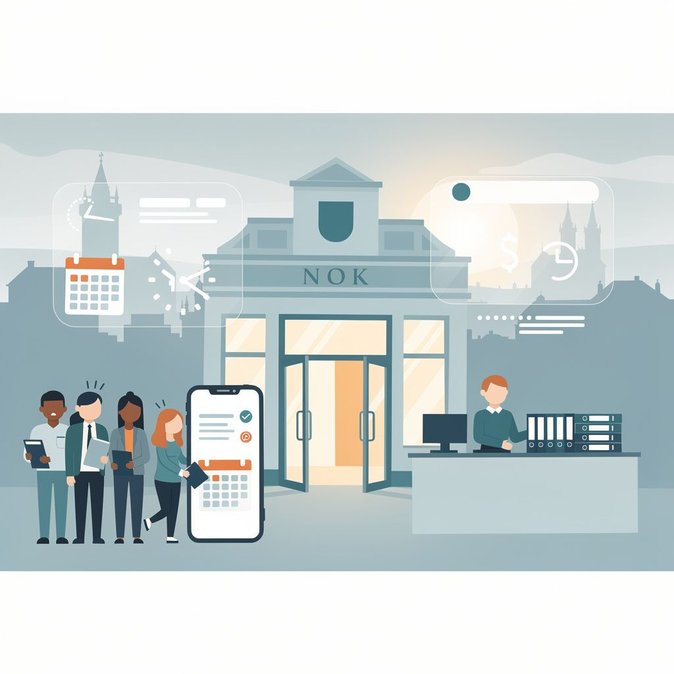
The Czech Ministry of the Interior (MOI) has published the first results of this year’s vetting round for the Special Long-Term Stay (SLS) status, a residence permit created for holders of temporary protection from Ukraine who wish to settle in Czechia for the longer term. According to figures released on 8 October 2026, 21,900 people—organised in almost 13,000 households—passed all of the legal and financial checks and may now register for the five-year permit. SLS registration opened on 1 October and runs until 31 December 2026 through the Information Portal for Foreigners. Successful applicants must book an in-person appointment at an MOI office to give biometrics and collect their new biometric cards. Those who did not meet the SLS conditions retain their temporary protection; nothing changes for them in the short term. SLS was introduced in 2025 to encourage self-sufficiency among displaced Ukrainians. Applicants must show at least two years of legal stay, proof of stable housing, Czech health-insurance coverage free of arrears, a clean criminal record and annual household income of at least CZK 440,000 plus CZK 110,000 per additional family member. This year’s approval rate—38 % of households—is double last year’s 19 %, a sign that more refugees are integrating into the labour market. For employers the message is clear: staff holding SLS will no longer need to renew temporary-protection stickers every year and may enter the Schengen labour market on the same terms as other long-term residents. HR teams should update compliance calendars: SLS cards will carry a five-year validity, with renewals starting in 2031. Companies that sponsor family reunification should note that relatives outside Czechia can still apply for the ordinary long-term visa route; SLS itself cannot be sponsored from abroad. Recruiters and relocation providers should prepare for a spike in appointment requests at MOI offices in Prague, Central Bohemia and Plzeň, the regions with the highest concentration of successful applicants. Advisers recommend booking slots as early as possible because December appointments traditionally fill up fast. Ukrainians who did not qualify this year may try again in 2027 once income or housing gaps are closed.