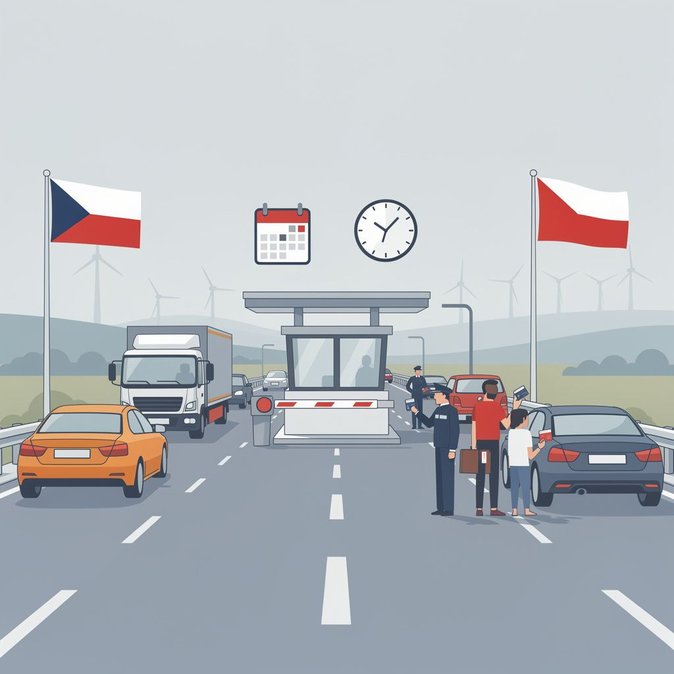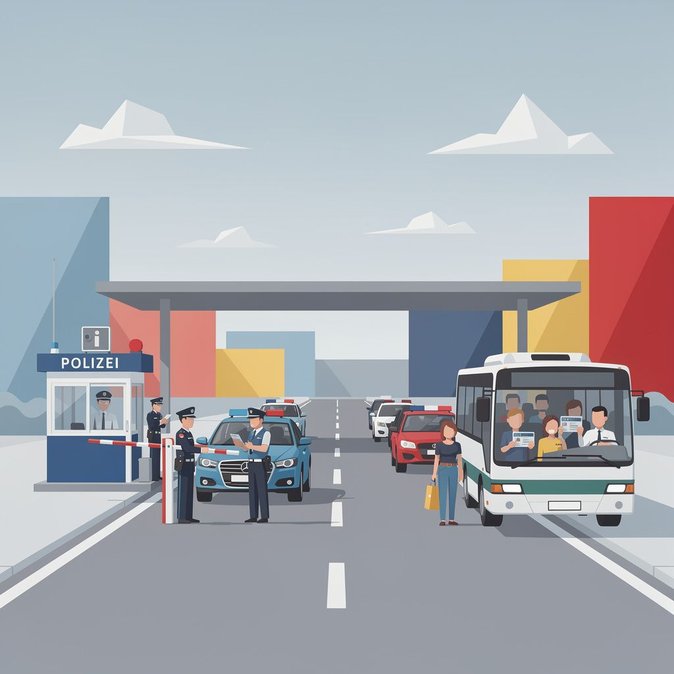
The German Federal Foreign Office has issued a fresh update to its travel-and-security advisory for the Czech Republic, dated 9 October 2026. Although the overall risk rating for the country remains low, the embassy draws renewed attention to a recent uptick in pick-pocketing, fraudulent currency exchanges and taxi scams targeting business travellers in Prague and other tourist hubs. Companies sending staff to the Czech capital for trade fairs and year-end project work are advised to brief employees on safe cash-handling practices and to pre-book only licensed taxis or ride-hailing services. The notice also reminds visitors that the European Entry/Exit System (EES) introduced last year is now fully operational at Václav Havel Airport and the country’s external land borders. Third-country nationals on business trips should therefore allow extra time at passport control and ensure their passports are machine-readable and valid for at least three months beyond their intended stay. German firms operating regional shuttle services report that the new biometric kiosks have added an average seven minutes to border formalities—a manageable delay, yet one that may cause missed rail or coach connections if schedules are tight. Corporate travel managers will welcome the clarification that no additional vaccination certificates or COVID-19 paperwork are currently required for entry. However, as temperatures fall, the advisory highlights a seasonal rise in respiratory illnesses and recommends standard health-and-safety protocols such as employer-provided flu shots and comprehensive travel medical insurance. Finally, German exporters transporting high-value goods through Czech territory are urged to remain alert to opportunistic cargo theft—particularly at motorway service areas along the D5 corridor toward the German border. Installing GPS-based geofencing alerts and using guarded truck parks are cited as proven risk-mitigation steps. In sum, while Czechia continues to rank among the safest business destinations in Central Europe, the embassy’s update underscores the importance of routine due diligence and traveller awareness.