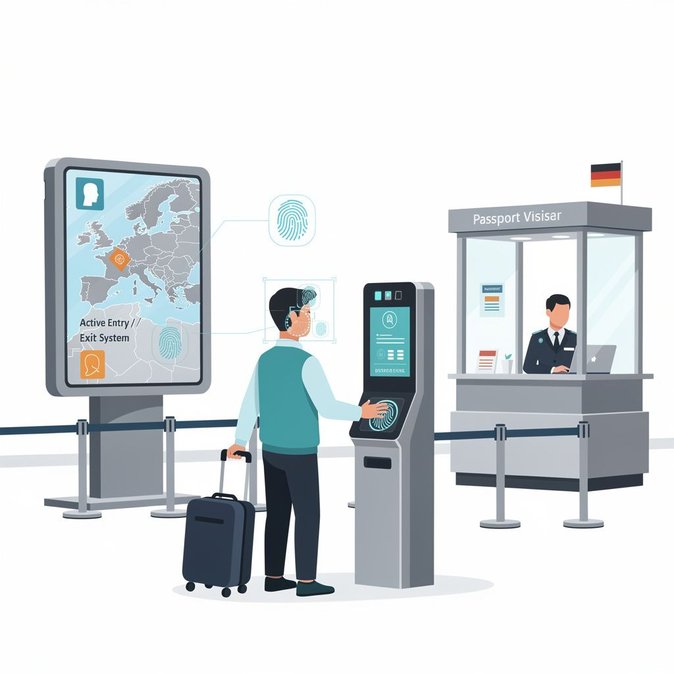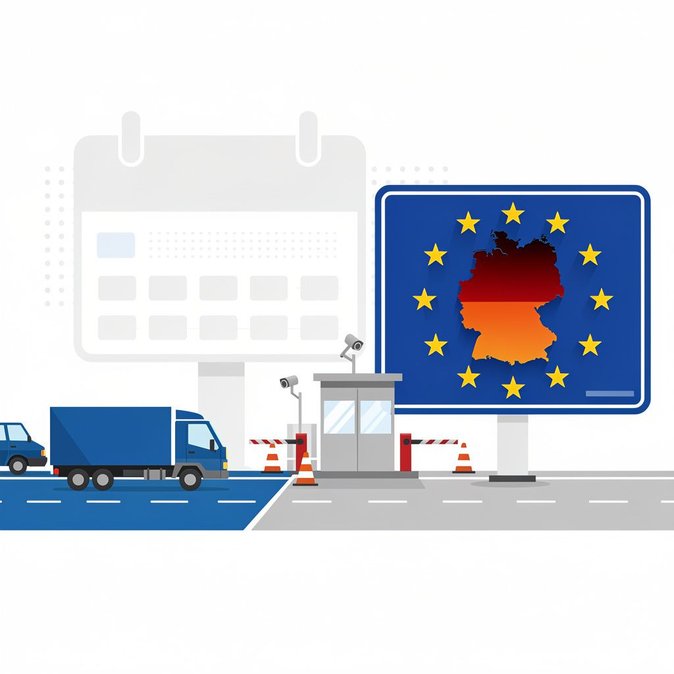
The European Commission’s updated register of temporary Schengen border controls, published online on 8 October 2026, confirms that Germany’s checks on its land frontiers with Poland, Czechia, Austria, France and the Benelux countries will remain in force until 15 March 2027. Berlin cites “continued serious threats to public security and order posed by irregular migration and smuggling networks” as justification. Under Article 25 of the Schengen Borders Code, Member States may re-introduce controls for renewable six-month periods. Germany first invoked the clause in 2025 and has since rolled it over three times. According to Interior Ministry figures, some 34,000 unauthorised entries were prevented during the current phase that began on 16 September. Neighbouring Poland and Denmark have also prolonged their own internal checks, raising the likelihood of compound delays for road freight and shuttle buses. The Commission will assess proportionality in December but has rarely overruled Member States. Logistics firms are adjusting by increasing use of the “green lane” system, which allows pre-cleared trucks to bypass manual passport inspection at 13 crossings. Business travellers should carry passports rather than rely solely on national ID cards, as spot checks increasingly request biometric verification. Companies relocating staff from intra-EU offices may need to budget extra time for household-goods shipments that transit multiple controlled borders.