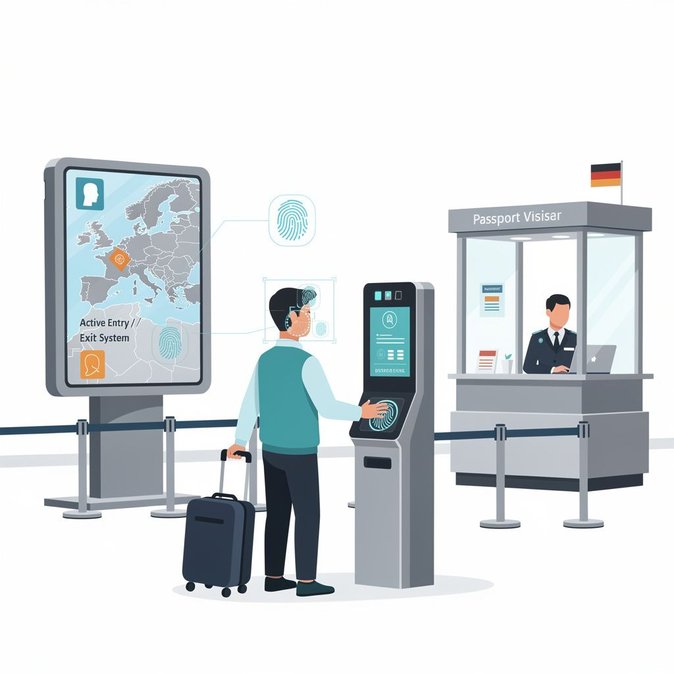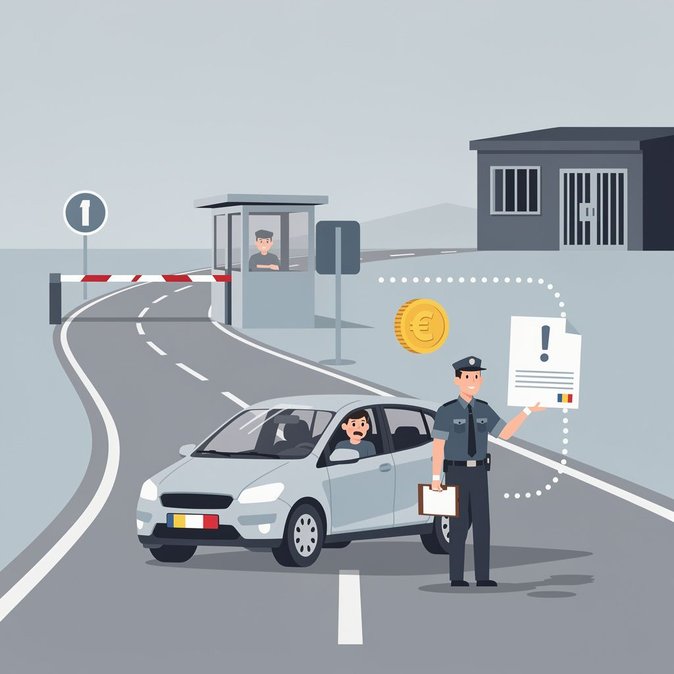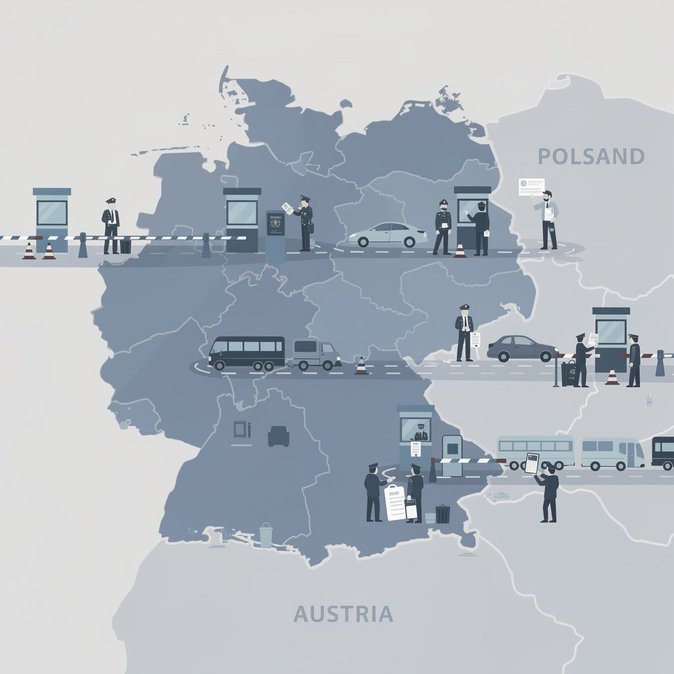
The European Commission’s updated list of “Temporary Reintroductions of Border Control” published on 8–9 October confirms that Germany will keep controls at all nine land frontiers until at least 15 March 2027, citing “continued serious threats to public security and high levels of irregular migration”. Poland, Austria, France, Denmark and Sweden have announced overlapping extensions, while Spain and Italy are applying rolling 15-day windows linked to secondary movements in Ceuta and Lampedusa. For corporate travel managers the notice means that roadside and rail inspections—originally introduced as an exceptional measure in 2024—have effectively become the new normal. Coach passengers entering Bavaria from Austria can expect spot checks, and lorry drivers face longer queues at the Polish and Czech borders. Although passports are not stamped, travellers must carry a national ID or passport and, where applicable, residence cards; failure to do so can lead to on-the-spot fines or refusal of entry. The extensions clash with Schengen’s six-month limit, but Commission opinions issued in 2025 and 2026 have deemed them proportionate. Still, EU legislators are discussing a reform that would introduce “targeted police checks” as a lighter alternative. If Brussels adopts the draft, Germany could replace blanket controls with intelligence-led operations in late 2027. Global-mobility teams should update travel policies: allow buffer time for cross-border road trips, remind posted workers that employment contracts must be on hand, and ensure drivers’ logs reflect waiting times. Firms relocating staff between German and French sites may find rail faster than road during peak inspection hours.