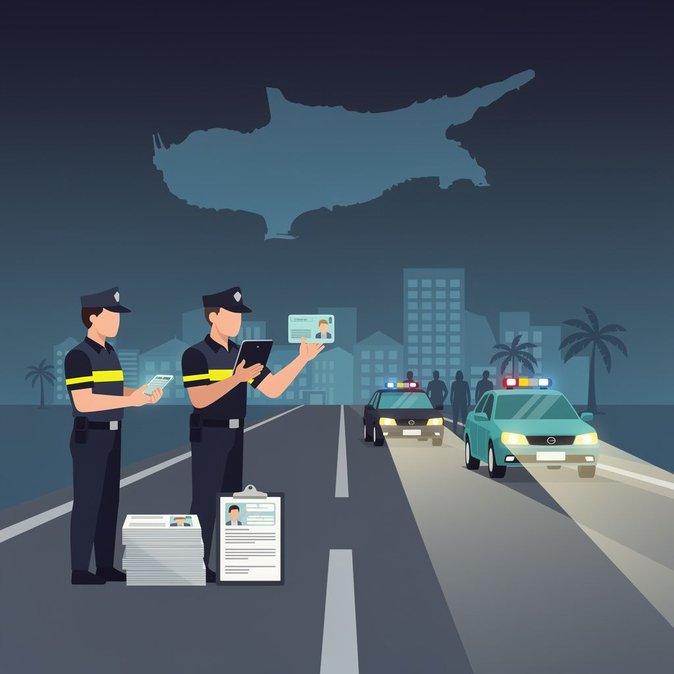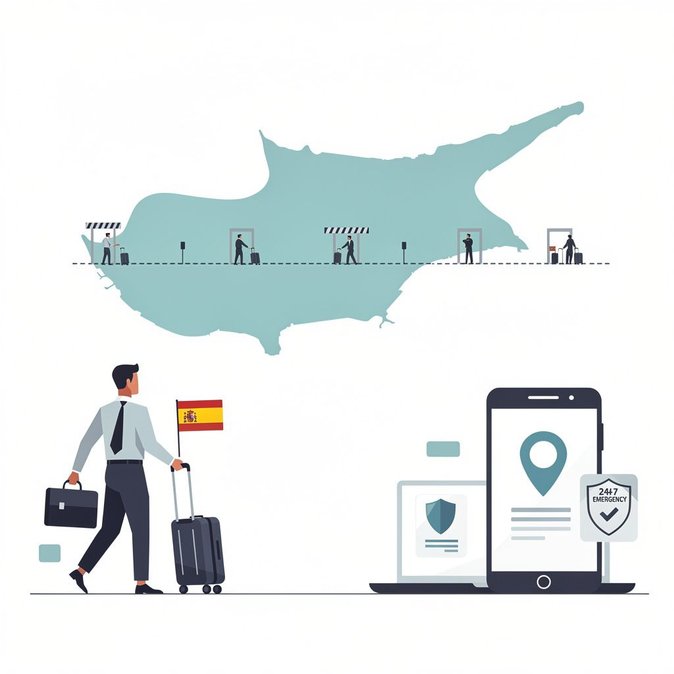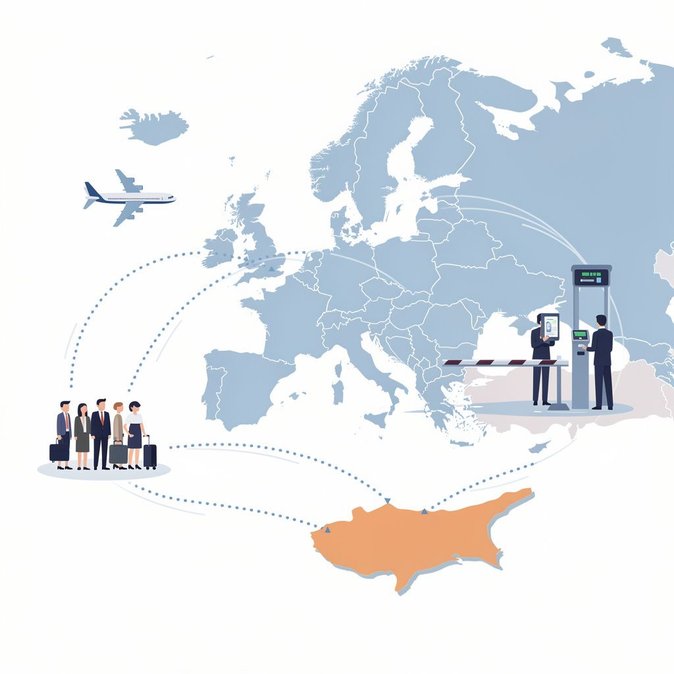
Cypriot and Turkish-Cypriot customs officers carried out two high-profile inspections on 10 October, intercepting large quantities of undeclared duty-free products moving across the Green Line. At the busy Metehan (Ayios Dometios) land checkpoint in Nicosia, officers searched a south-bound private vehicle and discovered 89 boxes of alcoholic beverages, perfume and tobacco that had not been declared. The driver, a 30-year-old woman, was arrested on the spot and the goods – valued at more than €15,000 – were confiscated. A second operation in Famagusta uncovered 11,200 cigarettes and 60 kg of shisha gel hidden in a supermarket storeroom. The shop operator was fined TL 259,740 (≈ €8,500) for breaches of customs and excise law. Authorities said both cases were linked to a wider clamp-down on illicit trade through the Green Line, which has intensified as Cyprus prepares for eventual Schengen accession and faces pressure from Brussels to strengthen external-border controls. For legitimate cross-border commuters – including the thousands of Cypriots who cross daily for work, study or shopping – the seizures are a reminder that customs checks can be strict and time-consuming. Employers with staff moving between the island’s two jurisdictions should build extra time into travel schedules and ensure that employees carry correct invoices for any commercial samples or equipment. Tourists driving rental cars north or south are likewise advised to keep receipts for duty-free purchases; undeclared quantities above personal allowances risk confiscation and hefty on-the-spot penalties. From a policy perspective, the operation underscores Cyprus’ dual challenge: facilitating the free movement envisioned in confidence-building measures while stopping smuggling that undermines tax revenue and EU health regulations. Businesses that rely on shuttle deliveries between Limassol port and northern resorts may face more rigorous inspections in the weeks ahead, customs officials warned. Legal practitioners say the arrests also highlight lingering grey areas over what constitutes “personal use” when crossing the UN-patrolled buffer zone. In the absence of a comprehensive settlement, companies should treat the Green Line as an external border for customs purposes – even though it is not officially recognised as such under EU law.
Source: News KKTC