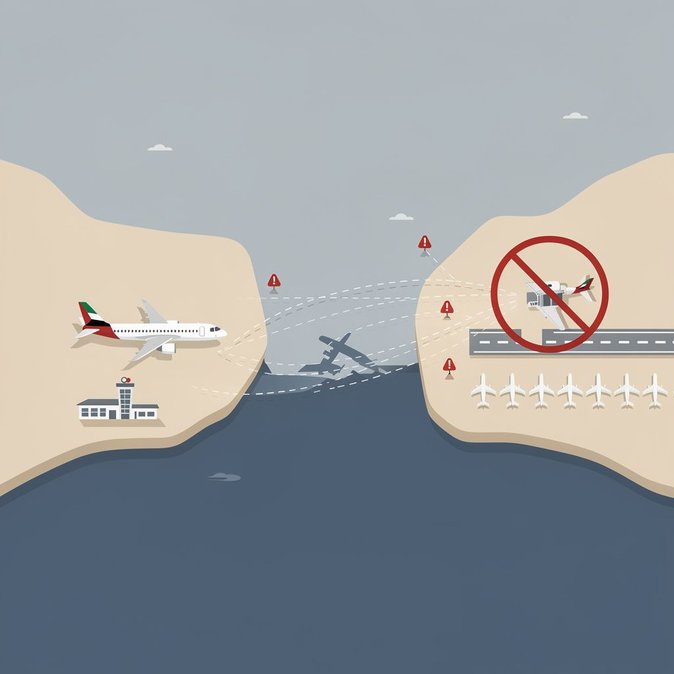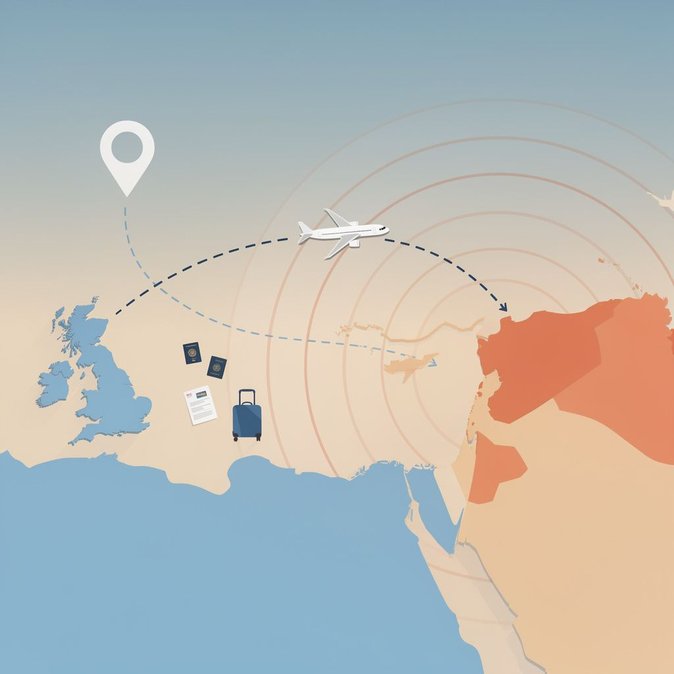
Britain’s Foreign, Commonwealth & Development Office (FCDO) refreshed its United Arab Emirates travel advisory on 12 October, adding new language about the risk of sudden airspace closures and flight cancellations linked to heightened US-Iran tensions. Although the threat level for the UAE itself remains unchanged, British nationals are urged to keep departure plans under constant review, sign up for email alerts and be ready to adjust itineraries at short notice. The advisory notes a spate of Iranian retaliatory strikes across the region since July and cautions that further escalation could temporarily ground flights or divert traffic away from Gulf corridors. Travellers are reminded to monitor local media, follow instructions from UAE authorities, and avoid filming military or critical-infrastructure sites—an offence under Emirati law. For multinational companies with staff based in Dubai or Abu Dhabi, the notice is a timely prompt to revisit crisis-management playbooks. Employers should confirm that employees’ passports are valid for at least six months, verify that health-insurance policies cover extended stays, and map out alternative exit routes via Oman or Qatar in case UAE hubs experience operational slow-downs. While the UAE’s airports continue to function normally, the FCDO’s language signals that Western governments are factoring aviation disruption into their contingency plans. Travel managers should ensure that booking tools display real-time flight status, and that employees understand reimbursement rules for last-minute ticket changes caused by security events. The UAE Ministry of Foreign Affairs has not issued reciprocal advice, but officials privately acknowledge that regional volatility requires close coordination with airlines and foreign missions. Should airspace restrictions be triggered, previous episodes suggest carriers will prioritise wide-body connections and high-yield markets, potentially squeezing seat availability for point-to-point business travellers.