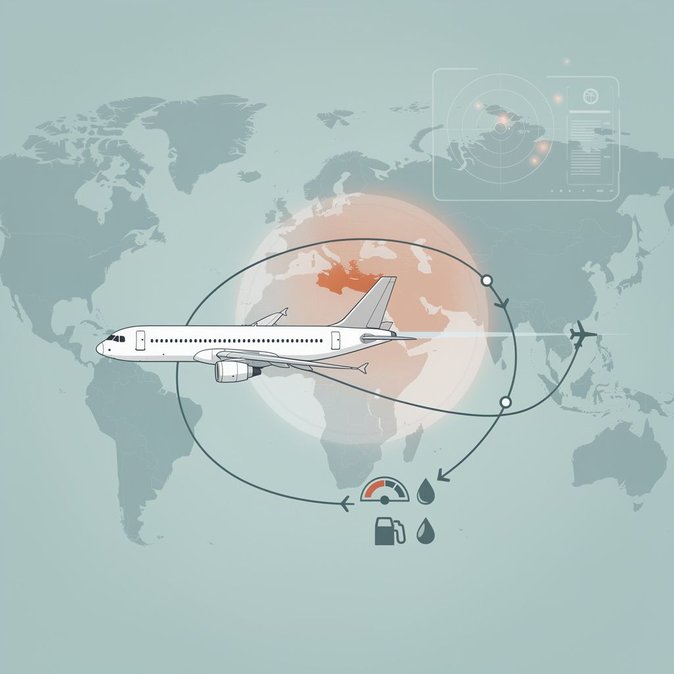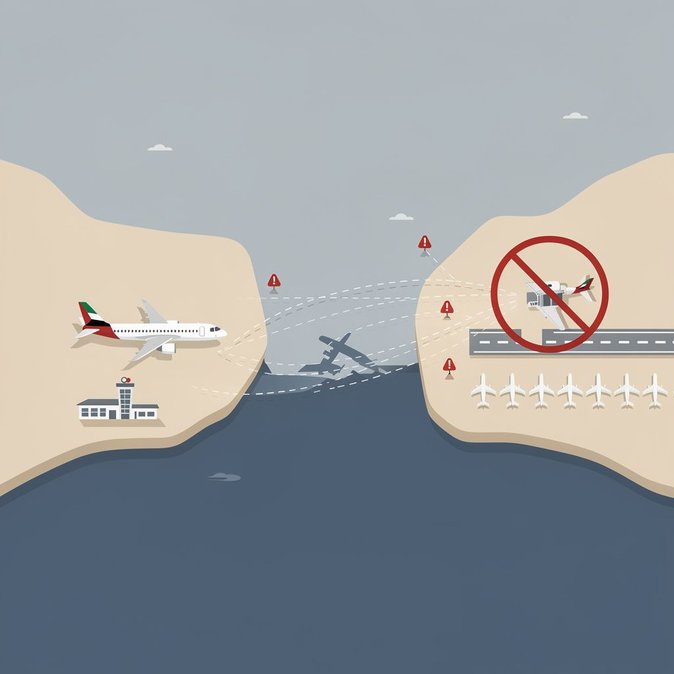
UAE travellers faced an abrupt shake-up to their schedules on Monday after Emirates, Etihad Airways, flydubai and Air Arabia pulled a raft of services to Riyadh, Dammam, Jeddah and other Saudi airports. The cancellations follow back-to-back Houthi missile and drone strikes that damaged King Khalid International Airport over the weekend, killing at least 12 people and forcing the Saudi regulator to suspend operations for safety assessments. Data from aviation analytics firm Cirium show 353 of 354 scheduled departures from Riyadh on Sunday were wiped from the board, while more than 600 services across the kingdom were grounded or failed to fly. UAE carriers have extended their suspensions through at least 14 October, warning that further changes are possible if security conditions deteriorate. Passengers booked on the affected flights are being offered re-routing, refunds or free date changes, but airlines stress that travellers should confirm their flight status before leaving for the airport. The disruption is rippling through the wider Gulf network. Etihad has axed Abu Dhabi-Jeddah and Abu Dhabi-Dammam rotations; Emirates has shelved multiple Dubai-Dammam and Dubai-Medina flights; flydubai has scratched its entire Dubai-Riyadh roster for two days; and Air Arabia services from Sharjah to Abha, Qassim and Taif are on hold. Cargo operators are also reviewing routings as insurers reassess war-risk premiums for over-flights of Saudi airspace. Beyond missed meetings and delayed cargo, the episode highlights the fragility of regional aviation corridors at a time when Gulf hubs are rebuilding traffic. Business travellers with tight itineraries are being urged to keep contingency time in their schedules, maintain flexible hotel bookings and monitor official airline channels rather than third-party apps. Travel managers should review duty-of-care protocols, ensure employees register their trip details, and prepare alternative routing via Kuwait, Bahrain or Oman if the Saudi shutdown lingers. While the UAE itself remains open for normal operations, aviation authorities are on high alert. The General Civil Aviation Authority continues to coordinate risk assessments with international partners, and further advisories are expected if attacks spread beyond Saudi borders. For now, the key takeaway for corporates is that last-minute changes, higher airfares and logistical knock-ons are inevitable when a major Gulf gateway goes dark.
Source: Gulf News