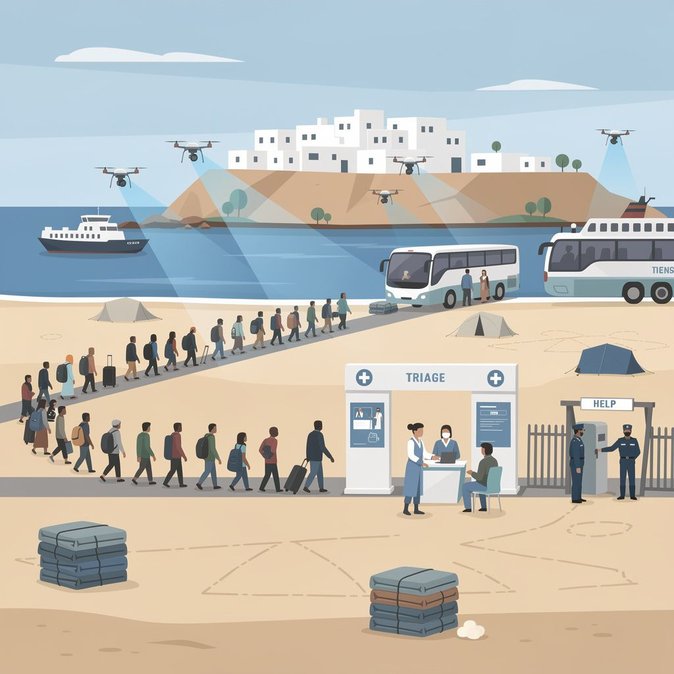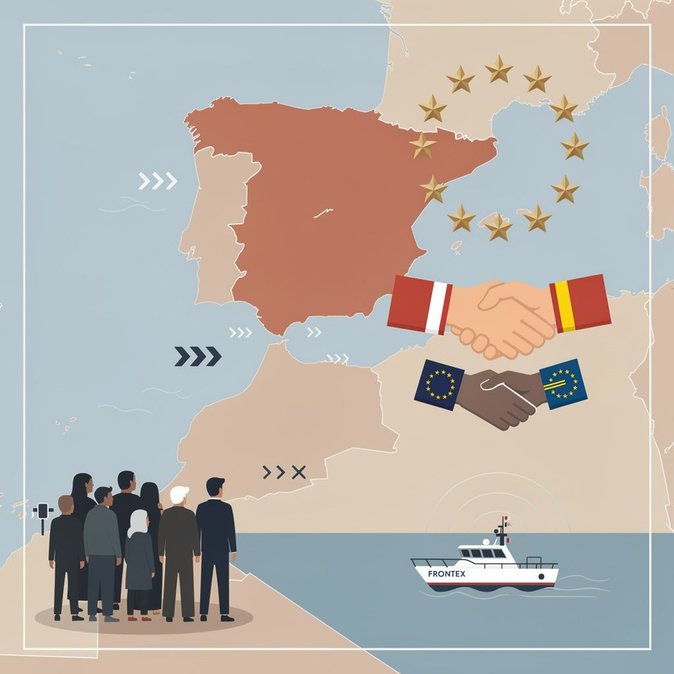
In a letter circulated ahead of the European Council’s informal summit, Commission President Ursula von der Leyen assured Spain that Brussels will keep financing and coordinating swift returns of migrants who entered Ceuta irregularly in late July. The 13 October message—made public on 14 October—describes the episode as a reminder that “sudden mass arrivals can overwhelm external borders” and argues that solidarity mechanisms under the 2024 Pact on Migration and Asylum are working. Von der Leyen praised Moroccan authorities for committing to readmit all citizens who crossed and said the EU will propose fresh resources for Frontex to assist Spanish border forces. She also signalled that the Commission is drafting an “emergency toolkit” allowing member states to deploy extraordinary controls when migration is weaponised as part of hybrid threats. For corporate mobility teams, the statement suggests that temporary Schengen-code border checks at Spanish ports and airports could be prolonged but will remain coordinated at EU level. Travellers, especially non-EU nationals, should anticipate systematic passport stamping until the situation stabilises. The political endorsement bolsters Spain’s argument for EU funding of reception, triage and return flights—reducing the fiscal burden on regional governments such as Ceuta and the Canary Islands. Companies employing foreign workers in Spain may ultimately face fewer bureaucratic delays if reception centres are decongested quickly. Mobility consultants note that Brussels’ focus on “rapid returns” rather than relocation inside the EU signals a harder external-border line, potentially reshaping future negotiations on labour-migration channels and talent visas.
Source: EuroEFE / Agencia EFE