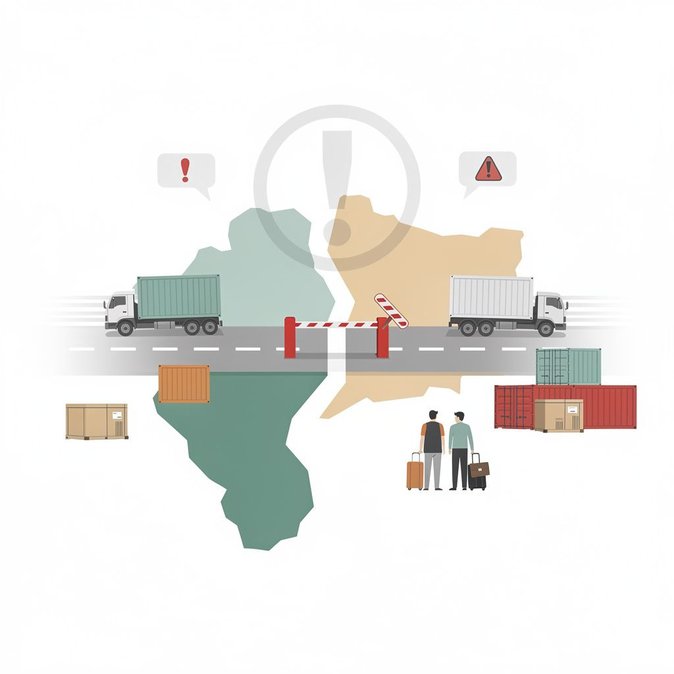
Two major travel advisory services—the United Kingdom’s Foreign, Commonwealth & Development Office (FCDO) and New Zealand’s SafeTravel—updated their India pages within hours of each other on 14 October 2026, highlighting that the Attari–Wagah land border between India and Pakistan remains closed to regular travellers. Context The Wagah crossing, about 30 km from Amritsar, is the only road link between the two nuclear-armed neighbours. It was shut to civilian traffic after the 22 April 2025 terror attack in Pahalgam. While the nightly ‘Beating Retreat’ ceremony continues for tourists on both sides, trade and passenger movement have stopped, forcing trucks and travellers onto costly air or sea routes. What the New Notices Say • FCDO now explicitly warns British nationals that “the Wagah-Attari border crossing is closed except for the daily retreat ceremony” and advises against all travel within 10 km of the frontier. • New Zealand’s SafeTravel page lists the border closure under “Border crossings”, reminding Kiwis that permits are required for several north-eastern states and that overstaying an Indian visa will block hotel check-ins. It also pushes travellers to arrange comprehensive medical evacuation cover. Operational Impact for Business Travellers Companies moving staff or cargo between India and Pakistan must continue to route shipments through Dubai, Istanbul or sea lanes, adding days and higher insurance premiums. Employees with dual passports should plan for multiple-entry Indian visas because cross-border day trips remain impossible. Travel managers should also update risk maps: several Western governments now include Punjab’s border strip alongside Manipur and parts of Jammu & Kashmir in ‘do not travel’ zones. Practical Tips 1. Add at least 48 hours to itineraries that once relied on the land crossing. 2. Use FRRO e-services to extend Indian visas if return via Wagah is no longer possible. 3. Advise expatriates living in Amritsar and Lahore to monitor embassy Telegram channels for reopening news, which local officials say is unlikely before early 2027.
Source: FCDO / SafeTravel