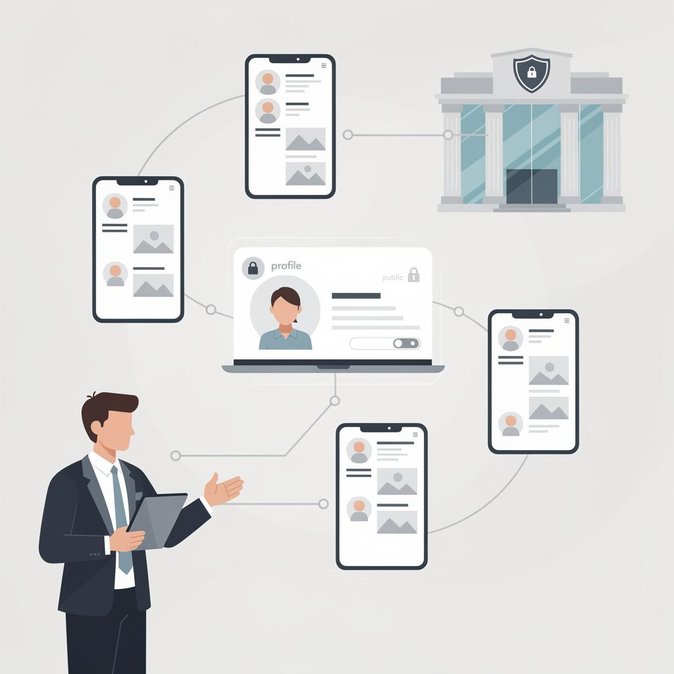
The U.S. Embassy in Brasília intensified its digital-vetting campaign this week, publishing a video on 13 October—amplified on 14–15 October by Brazilian media—urging visa applicants to list every social-media handle in the DS-160 form and to keep those profiles public while their cases are under review. The reminder targets applicants for student (F & M), exchange (J), temporary-worker (H, L, R) and media (I) visas. Consular officials say private accounts slow down mandatory security checks and can result in administrative processing or outright refusals. The embassy notes that omitting a username can be considered misrepresentation under section 212(a)(6)(C)(i) of the U.S. Immigration and Nationality Act, leading to a potential lifetime ban. Brazil is the world’s second-largest market for U.S. non-immigrant visas, and appointment backlogs—though much improved—still stretch three to four months in São Paulo and Brasília. By encouraging transparency online, the embassy hopes to reduce rework and shorten adjudication times. For HR mobility teams transferring staff to the United States, the advice is clear: audit employees’ social-media presence before they complete the DS-160 and remind them not to switch to “private” mode until the visa is printed. Immigration attorneys also recommend scrubbing controversial or inconsistent content that could raise questions about an applicant’s intent or admissibility. The campaign illustrates how digital footprints have become integral to immigration risk management. Similar policies are being adopted by Canada and the Schengen states, suggesting that corporate travellers will face growing scrutiny of their online personas globally.
Source: Mercado & Eventos