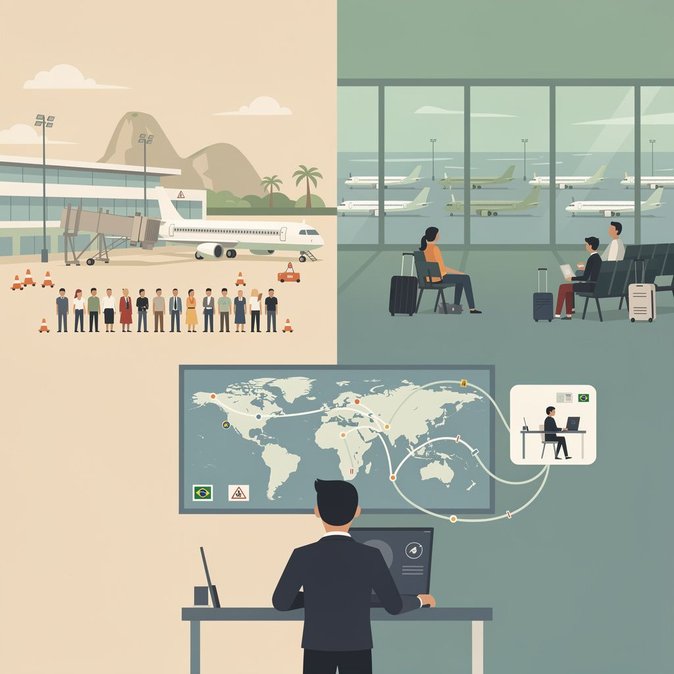
In a landmark ruling issued on 15 October, the Federal Supreme Court (STF) upheld lower-court decisions that authorised the visa-free entry of the wife and child of a Haitian national legally resident in Brazil. The majority found that denying entry solely because consular authorities had not yet processed visas violated constitutional protections of the family and the best interests of the child. The case arose after the Brazilian embassy in Port-au-Prince faced chronic appointment shortages, leaving the family stranded for more than a year. The STF noted that immigration authorities retain discretion over status regularisation after arrival, but that humanitarian considerations justify waiving visa requirements in exceptional circumstances. Although the decision is narrowly tailored to the facts, it sets persuasive precedent for other humanitarian-family cases involving applicants from Haiti, Venezuela and war-torn regions. Lawyers expect a rise in court petitions invoking the ruling when consular bottlenecks impede family reunification. For multinational employers, the judgment underscores the importance of planning lead-times for dependent visas and considering in-country change-of-status strategies. The Ministry of Justice and Public Security said it will review consular staffing in Haiti to reduce similar litigation. Civil-society groups welcomed the decision as a reaffirmation of Brazil’s 2017 Migration Law principles, while critics warn that ad-hoc judicial waivers could weaken border-management predictability if not paired with administrative reforms.
Source: JusBrasil – STF Jurisprudence