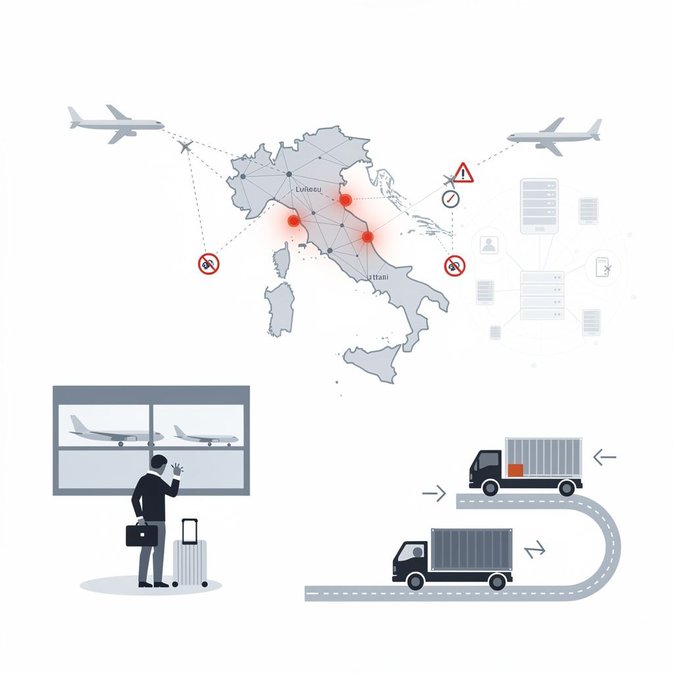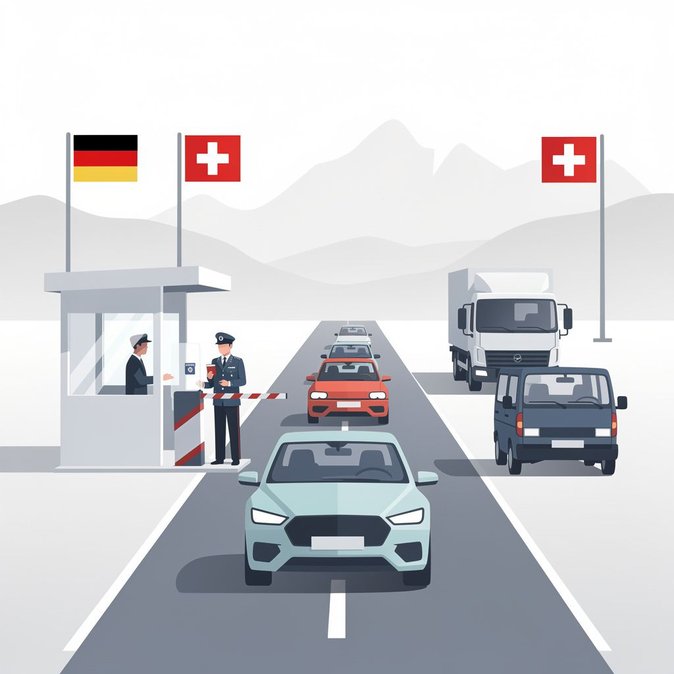
The German Embassy in Bern refreshed its online travel and security advice for Switzerland on 16 October 2026, confirming that temporary German border-police checks at the common land frontier remain in force. The notice warns holiday-makers and cross-border commuters of potential delays and urges travellers to carry valid passports or national ID cards even on routine trips. Background: Berlin first reintroduced internal Schengen controls in September 2026 amid record irregular-migration pressure and smuggling activity. The current decree runs until 15 March 2027 but is reviewed every 30 days. The embassy’s page time-stamped “Stand – 16.10.2026” is the clearest sign yet that Germany will maintain the regime through the winter timetable. Business relevance: • Swiss-based companies sending staff to German client sites should factor in extra buffer time at road crossings such as Thayngen-Bietingen and Basel-Weil am Rhein. • Coach and rail operators report spot ID inspections on long-distance IC/ICE services between Zurich and Stuttgart; corporate rail-cards remain valid but physical ID is compulsory. • Logistics providers note sporadic queues for trucks, with customs formalities unchanged but police checks adding up to 45 minutes at peak. Legal context: Under Schengen rules, member states may reinstate internal controls only in response to a ‘serious threat’; Germany cites migrant-smuggling networks and geopolitical security risks. Switzerland, while not imposing reciprocal checks, continues routine customs inspections because it is outside the EU customs union. Outlook: A fresh evaluation is expected mid-November. HR mobility managers should brief frequent travellers and review contingency clauses in cross-border employment contracts, particularly for German ‘Grenzgänger’ working in Swiss cantons.