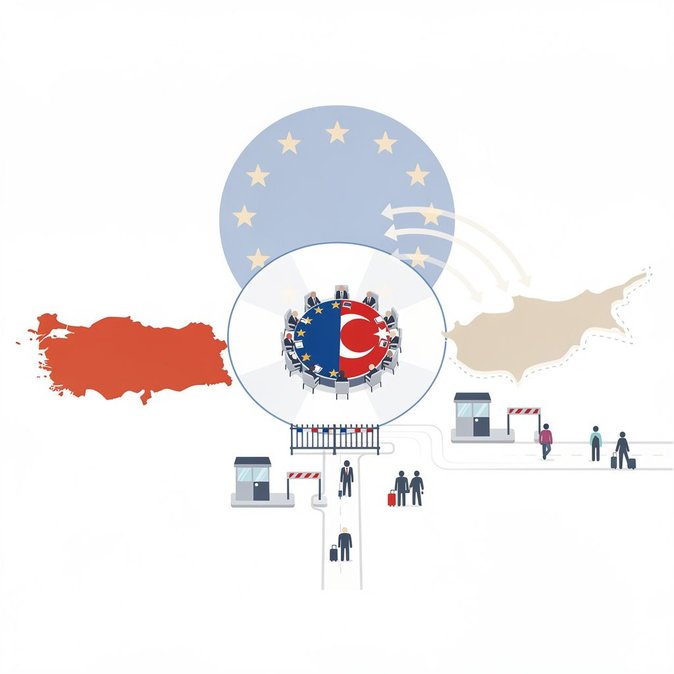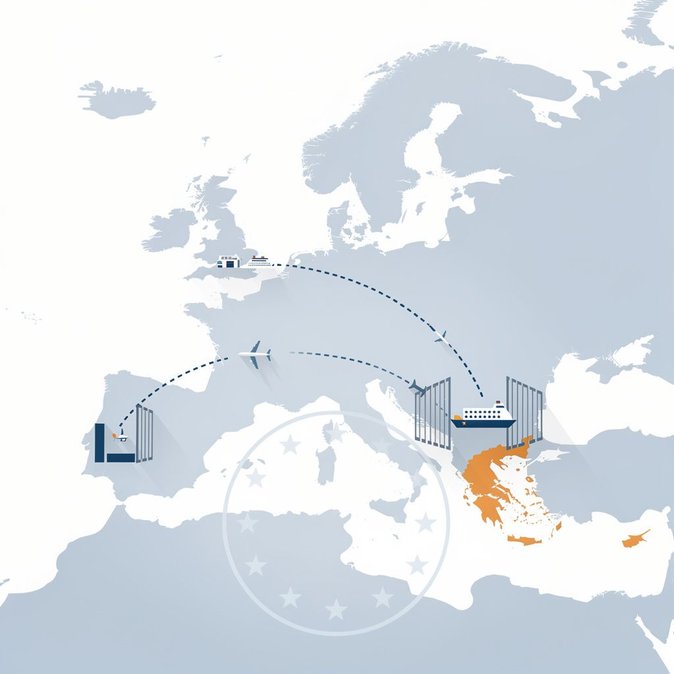
The push for Cyprus to join Schengen received high-profile political backing on 15 October when the European People’s Party (EPP) adopted a statement calling for the “timely completion” of the island’s accession. Meeting in Brussels ahead of the European Council, centre-right heads of government stressed that Cyprus had satisfied the European Commission’s technical evaluation and now needed swift political sign-off. The wording is significant. The EPP is the largest group in both the European Parliament and the Council, counting German Chancellor Anna-Lena Baerbock, Greek Prime Minister Kyriakos Mitsotakis and Italian Premier Giancarlo Fini among its ranks. Their endorsement raises pressure on hold-out states worried about migration flows via the Green Line or diplomatic fallout with Turkey. Timing intersects with Cyprus’ own lobbying campaign. Migration Deputy Minister Nikolas Ioannides said last week that Nicosia now expects accession in 2027, a slip from its original 2026 target but still within the current parliamentary cycle. Officials argue that island geography simplifies border management compared with land-border candidates such as Bulgaria. For businesses, the EPP’s stance strengthens the probability that Schengen benefits—visa reciprocity, lower compliance costs for posted workers, seamless short-stay travel—could materialise within an 18-month horizon. Travel managers may wish to revisit supplier contracts that price in current non-Schengen routing constraints. Next steps. The Council will debate enlargement at its December meeting. Unanimity is required, and diplomats caution that Austria and the Netherlands, both previously sceptical of new entrants, have yet to declare a firm position on Cyprus. Nonetheless, Thursday’s EPP communiqué narrows the window for further delay.
Source: Cyprus Mail