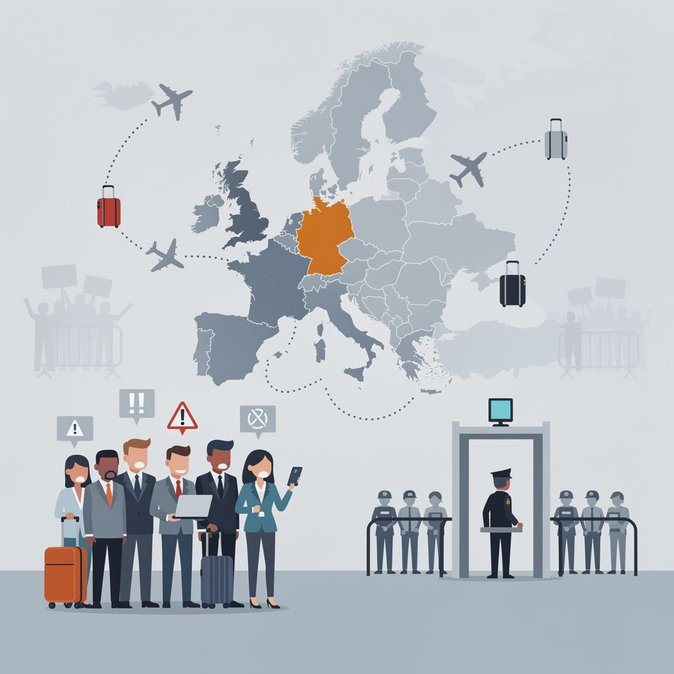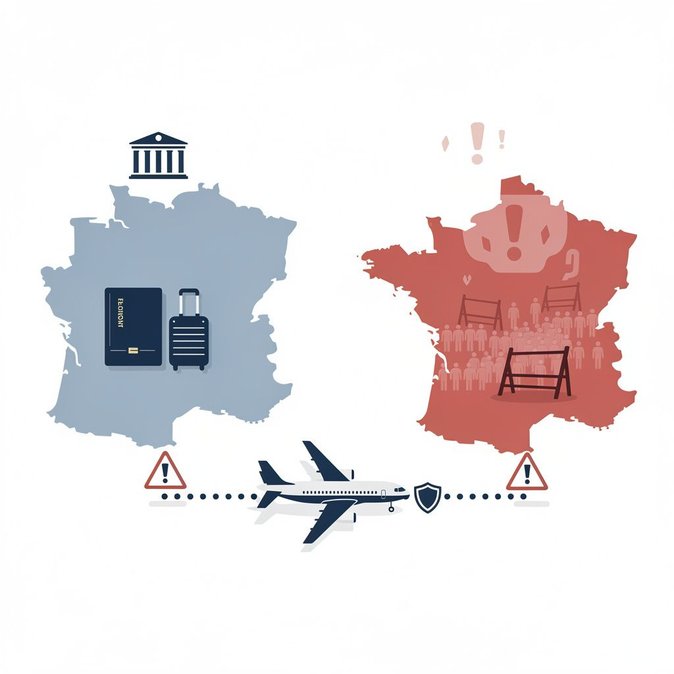
Belgium’s Federal Public Service (FPS) Foreign Affairs quietly revised its travel advice for France late on 20 October 2026, urging Belgian nationals to “exercise heightened vigilance” and avoid large gatherings following a weekend that saw more than 2,000 arrests and widespread property damage in French cities. The notice sits one notch below a formal warning but nonetheless carries weight for the thousands of commuters, tourists and corporate assignees who cross the Franco-Belgian border daily. The French unrest—sparked by rising living-cost protests and fuelled by secondary student walk-outs—has disrupted intercity trains, blocked arterial roads and forced airlines to reroute crews overnight. Belgian tour operators reported a 12 % spike in cancellation inquiries for Paris city-break packages, while several multinational firms operating shared service centres in Lille instructed employees to work remotely until Monday. Belgium is not alone. Germany, the Netherlands and the United Kingdom also refreshed France-related advisories within hours of Brussels’ update, illustrating a rare show of cross-border alignment on traveller risk management inside the Schengen Area. Although the advice stops short of discouraging travel outright, insurance brokers confirm that the wording triggers “war-risk style” notification clauses in many corporate travel-policy wordings, obliging employers to document that travellers have acknowledged the heightened risk. Belgian mobility specialists recommend that companies reroute non-essential trips via Strasbourg or Geneva airports, both currently unaffected by the protests, and build contingency time into road transfers in case the French authorities impose rolling roadblocks. The FPS added that new protests are expected on 24 October; travellers should monitor local media and sign up for the ministry’s free “Travellers Online” alert system.
Source: 21 News