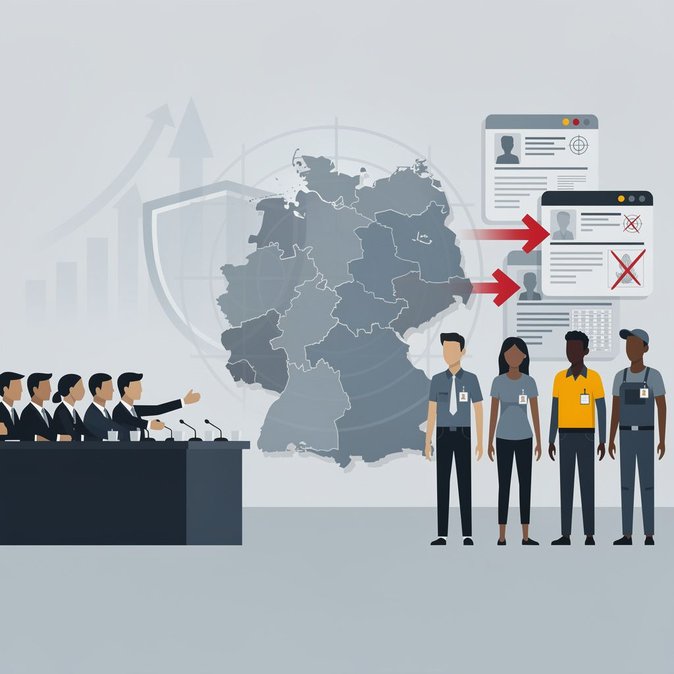
Meeting in Berlin on 22 October, the Minister-Presidents of Germany’s 16 federal states called on the federal government to accelerate deportations of foreign nationals deemed security threats and to apply existing laws more consistently across the board. Interviews given to Rudaw ahead of the closed-door session reveal broad consensus among the premiers, who also urged tougher action against political extremism. Lower Saxony’s Olaf Lies (SPD) stressed that Syria and Afghanistan would be central to any new return policy, while Bremen’s Andreas Bovenschulte emphasised equal treatment of all extremist ideologies. Christian-democrat leaders from Saarland and Rhineland-Palatinate pushed Berlin to create a clearer legal basis to remove convicted criminals. The debate comes amid a surge in support for the far-right AfD, now Germany’s second-largest party, which has capitalised on public anxiety over migration. By seizing the initiative, the mainstream parties hope to blunt AfD momentum ahead of the 2027 federal election. For employers, a stricter deportation regime could complicate retention of asylum-seeker employees whose applications are still pending, especially in the hospitality and agriculture sectors. Legal advisers recommend reviewing workers’ protection status and preparing contingency staffing plans. Any legislative changes will require Bundesrat approval, giving the states significant leverage. Mobility specialists should watch for forthcoming BMI drafts that may redefine “danger to public security” and shorten appeal windows.
Source: Rudaw