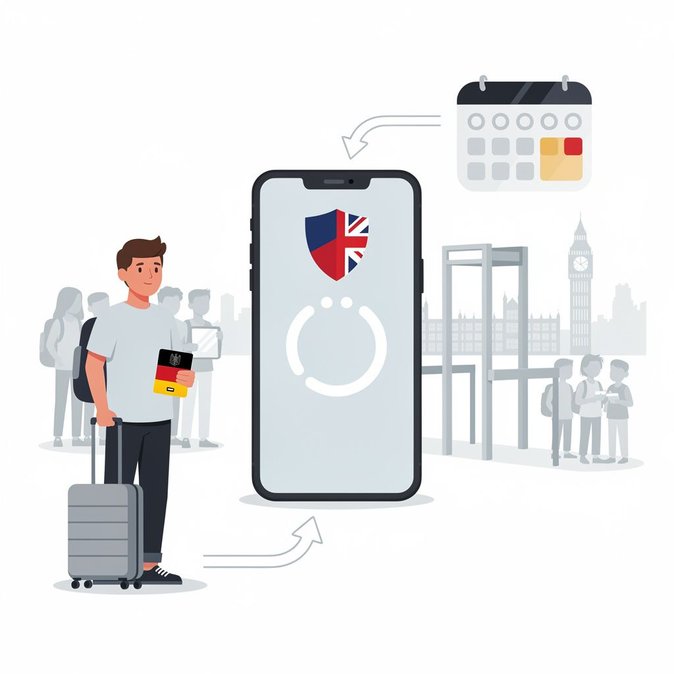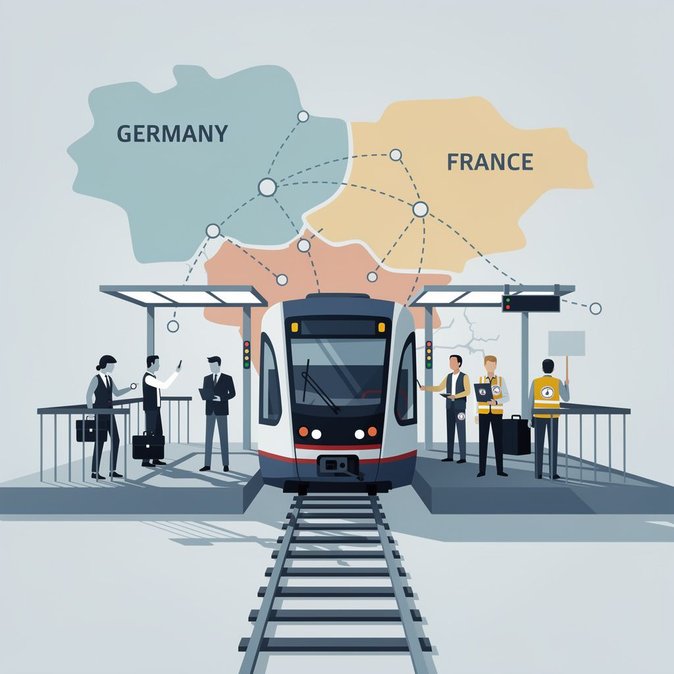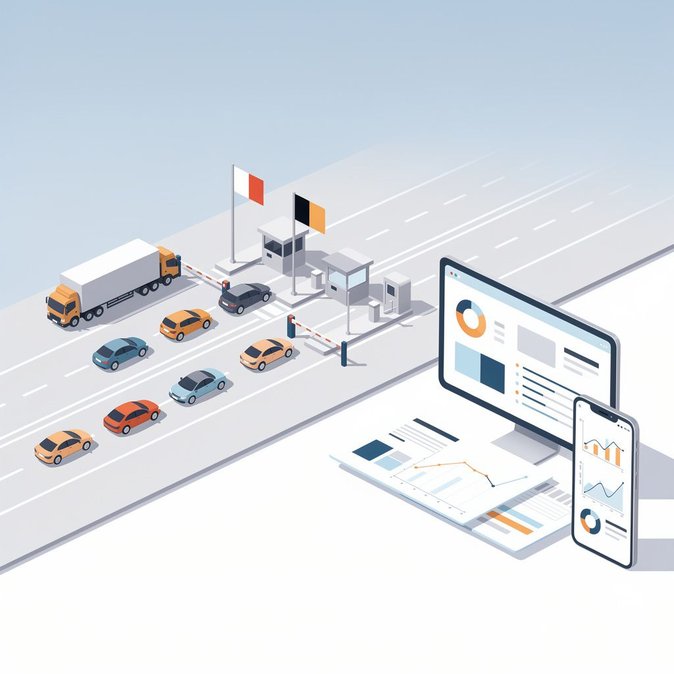
Border-monitoring platform Nakordoni.eu reported at 12:38 CET on 21 October 2026 that the fastest Poland→Germany crossing, Lubieszyn–Linken, had a 27-minute wait, while the slowest, Rosówek–Rosow, clocked in at 39 minutes. Average car queues across 14 monitored checkpoints stood at just 3.1 vehicles. The portal aggregates feeds from Polish and German road authorities, CCTV cameras and real-time driver reports. Since Germany reinstated internal border controls in late 2023 the site has become a critical planning tool for logistics operators and shuttle-service providers. Its historical data show Friday evenings and Sunday late afternoons as the worst periods, with wait times roughly 30 percent above the weekly mean. For companies rotating staff between German factory sites and Polish outsourced service centres, the message is cautiously positive: random checks have not yet produced the hours-long tailbacks feared in early media reports. Still, Nakordoni recommends checking live data one to two hours before departure, and mobility managers should continue to brief travellers to carry passports and employment letters in case of secondary screening. Tax advisers also note that telecommuters living in Poland but working for German employers must track physical presence days: unexpected delays at the border can shift the 183-day residency threshold for income-tax purposes. The broader takeaway is that technology—-crowdsourced apps and live dashboards—-is mitigating some of the friction created by re-borderisation within Schengen, allowing corporates to maintain punctuality KPIs even under a tighter control regime.
Source: Nakordoni.eu