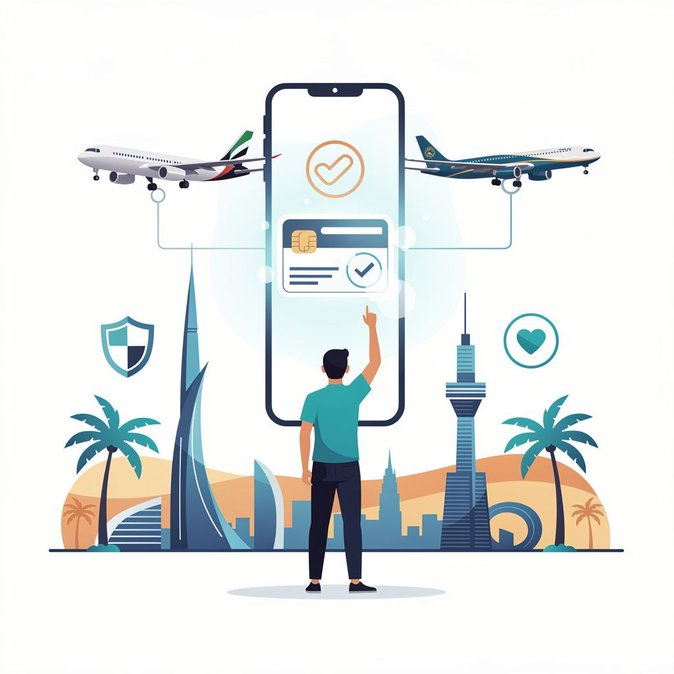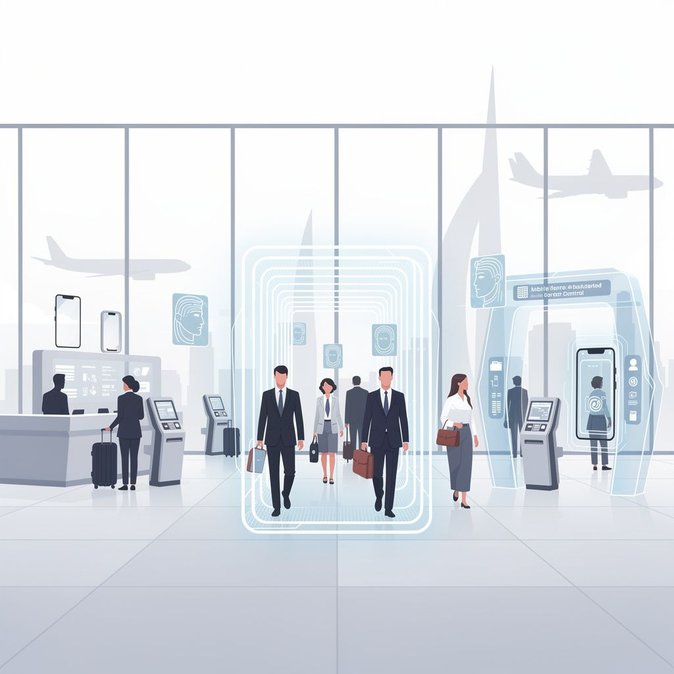
In a provocative editorial published on 13 November, The National argued that the physical passport may soon become a relic—thanks largely to experimentation now underway in Dubai. Citing comments from Paul Griffiths, CEO of Dubai Airports, the piece notes that the emirate has already rolled out facial-recognition corridors, mobile immigration clearance (‘Click & Travel’) and paperless boarding gates that link passengers’ biometrics to airline and government databases in real time. Dubai’s interest in contactless border control predates the pandemic but has accelerated since 2020, aligning with the UAE’s broader digital-government strategy. Emirates airline recently expanded enrolment in its facial-identification system from business-class lounges to selected economy boarding zones, eliminating repeated document checks. Griffiths believes that, with global standards and interoperability, travellers could move from curb to aircraft without ever producing a passport book. The vision is not without obstacles. International Civil Aviation Organization (ICAO) specifications still mandate machine-readable travel documents, and privacy regulators in Europe and North America are scrutinising large-scale biometric databases. Moreover, global adoption would require countries with divergent data-protection laws to trust each other’s identity platforms—a tall order amid geopolitical tension. Nevertheless, the editorial argues that Dubai’s ‘first-mover’ status gives it leverage to shape the rule-making. If successful, a passport-free corridor would slash queuing times, boost airport capacity and enhance the travel experience for children, seniors and people with disabilities. For global mobility professionals, the transition could streamline assignee relocations, reduce document-handling errors and open the door to fully digital residence and work-permit renewals. Companies are advised to prepare for a hybrid era in which some jurisdictions accept biometric corridors while others retain traditional stamping. Ensuring staff are enrolled in trusted-traveller programmes and that corporate travel policies address biometric consent will be an emerging compliance requirement.
Source: The National