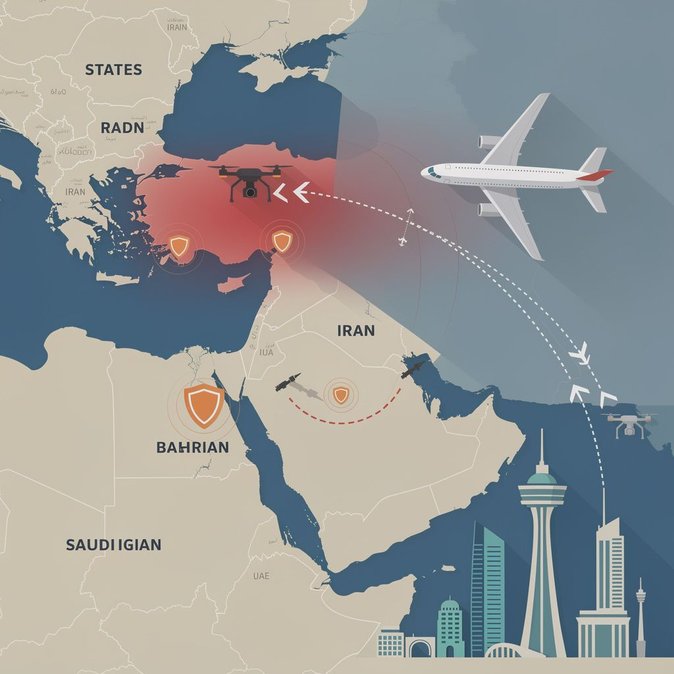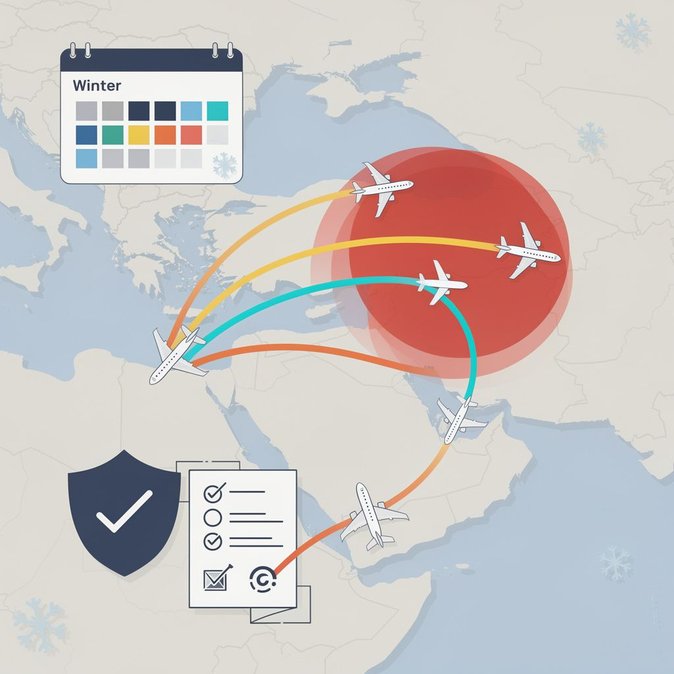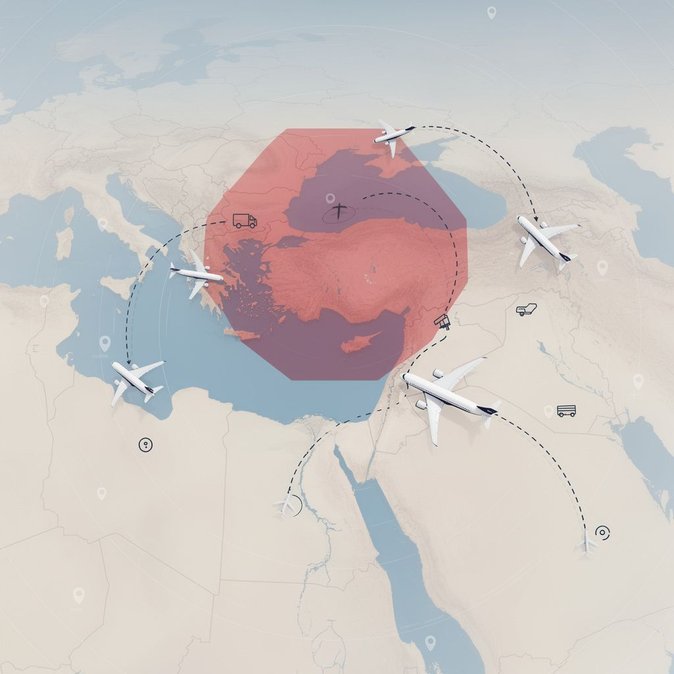
The European Union Aviation Safety Agency (EASA) on 16 November extended its conflict-zone bulletin for the Gulf, urging airlines to avoid the waters above the United Arab Emirates, Bahrain, Kuwait, Oman and Qatar until at least 31 January 2027. The notice – the third extension since July – follows a fresh regional risk assessment that highlighted continuing drone and missile activity linked to the Israel–Iran confrontation and Houthi strikes emanating from Yemen. While the advisory stops short of closing UAE airspace, it warns that military activity in neighbouring waters could occur with little or no warning, leaving flight crews and air-navigation service providers very little time to react. EU-licensed carriers (and any non-EU airlines operating services into the Union) are therefore required to route around the affected FIRs unless the flight is an arrival or departure, and even then must base operations on a live risk assessment and continuous monitoring. For UAE-based multinationals, the extension means longer routings and higher fuel burn on some west-bound services, especially those that skirt the Gulf of Oman before turning toward Europe or North America. Travel managers should review duty-of-care policies, warn travellers of potential schedule changes and build additional buffer time into itineraries. Cargo operators moving time-critical shipments – particularly perishables, high-value electronics or oil-field spares – may need to secure earlier cut-off times to meet delivery windows. The bulletin also has insurance implications: war-risk underwriters are re-evaluating premiums for flights transiting the conflict-zone buffer, and some carriers have introduced temporary surcharges. Organisations with private or charter operations must confirm that their flight-planning systems reflect the revised no-fly coordinates to avoid regulatory breaches and possible invalidation of insurance cover. Despite the headline, most UAE airports remain fully operational. Emirates continues to serve more than 140 destinations and Etihad over 90, but both carriers advise passengers to check flight status—even after check-in—as dynamic rerouting can trigger rolling delays. Travellers heading to Saudi Arabia or Bahrain face the greatest chance of disruption. Companies with critical assignments in the region should prepare contingency plans that include land crossings and multimodal routings via Muscat or Doha should airspace restrictions tighten further.
Source: Condé Nast Traveller Middle East