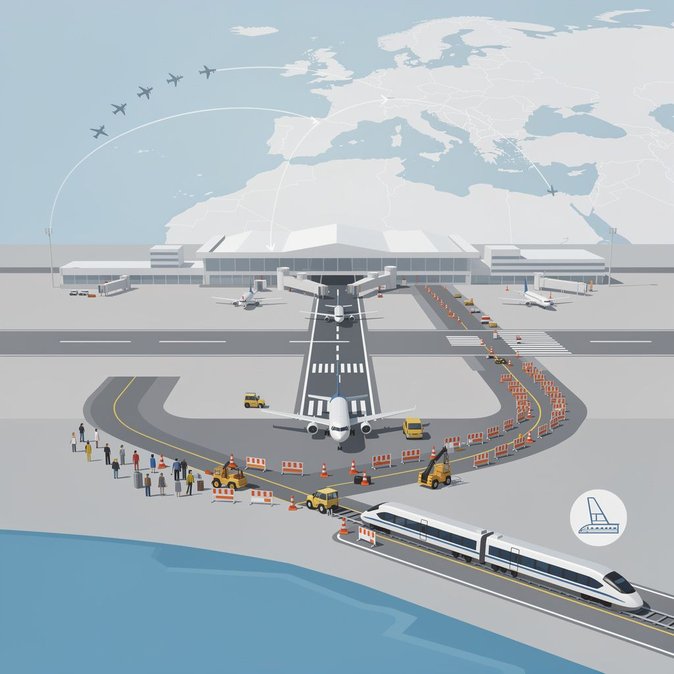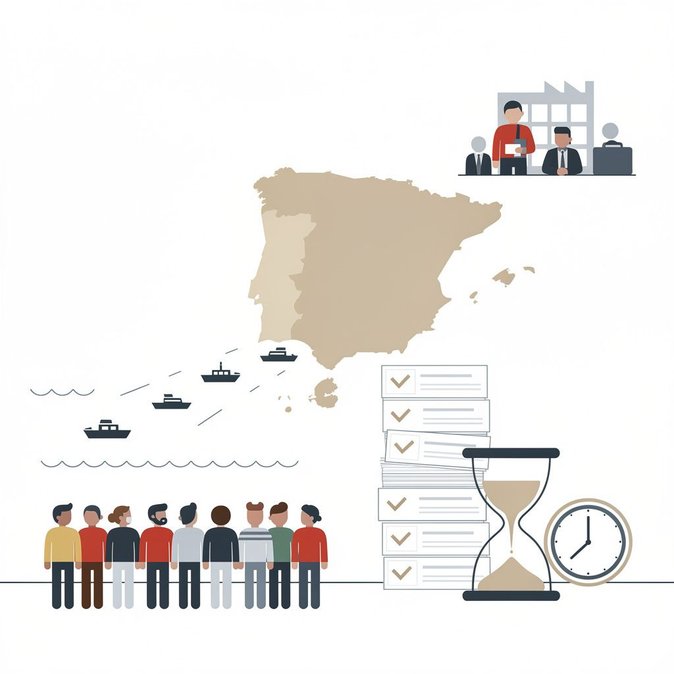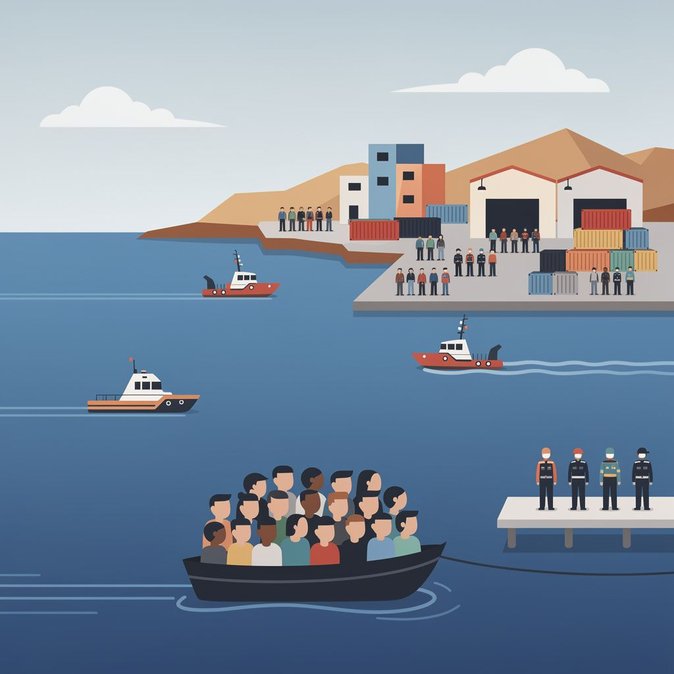
Spain’s Canary Islands experienced another dramatic spike in irregular sea arrivals over the weekend, with the Interior Ministry confirming that 2,196 people reached El Hierro, Tenerife and Gran Canaria in 15 wooden cayucos between Saturday night and Monday morning. 2026 has been the busiest year on the Atlantic route since 2006, but the speed of the latest wave shocked even veteran rescue officials: on Sunday alone 1,261 people were brought ashore at El Hierro, a single-day record for the small island. Salvamento Marítimo attributes the spike to a rare lull in Atlantic swells combined with organised departures from the coasts of Senegal, Gambia and, increasingly, Mauritania. Most boats were heavily overloaded, carrying an average of 140 people each and taking up to seven days to make the 1,400-kilometre crossing. The majority of those rescued were Senegalese men, but crews also reported women and at least 47 minors among the travellers. Local infrastructure is stretched to breaking point. The sports centre in La Restinga, designed to hold 200 people, sheltered more than 900 on Sunday night, forcing emergency services to erect tents in the port car park. The regional government flew 120 unaccompanied minors to reception centres on Tenerife and Gran Canaria, but social-services officials warn that capacity there is also nearly exhausted. For businesses, the humanitarian emergency is beginning to spill over into tourism-critical logistics. Ferry operator Naviera Armas said it has had to rearrange cargo sailings to make dock space for rescue vessels, delaying supplies to hotels at the start of the high season. Airport authority AENA reported minor flight delays at El Hierro because security staff were reassigned to migrant-transfer duties. Madrid has so far ruled out declaring a formal “state of migration emergency” but Interior Minister Fernando Grande-Marlaska told reporters that reinforcement units of the Policía Nacional and Guardia Civil will be deployed this week, and that the EU’s Frontex agency “has been asked for additional aerial surveillance hours”. Businesses with staff rotations through the islands are being advised to plan for possible transport disruptions and hotel over-booking through the Christmas period.
Source: Associated Press