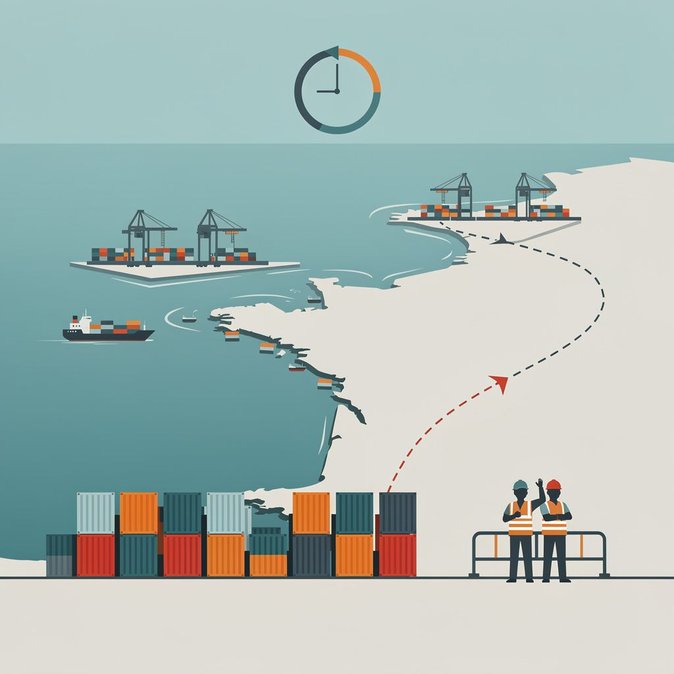
France is enduring its second “grève interprofessionnelle” this month after all major trade-union confederations—CGT, CFDT, FO, FSU, Solidaires and UNSA—called for a 24-hour walk-out on Tuesday, 17 November. The action targets wage negotiations, public-sector budgets and pension reform but its ripple-effects reach well beyond politics, snarling mobility networks used daily by business travellers and expatriates. Rail operator SNCF announced that only one TGV in two and one regional TER in three would operate, with services on the Paris-Lille, Paris-Lyon and Atlantic corridors especially hard-hit. Eurostar kept a normal timetable but warned that French-side security and passport booths were understaffed, advising passengers to arrive 60 minutes earlier than usual. In the capital, the Préfecture de Police ordered the preventive closure of a dozen metro and RER stations along the designated protest route from Place de la Nation to Place d’Italie; RATP is running skeleton frequencies on the remaining lines. The port of Calais likewise expects stoppages between 11:00 and 16:30, potentially delaying cross-Channel ferries and freight. Airports escaped a formal strike notice, yet many ground-handling staff joined the demonstration and air-traffic controllers filed “medical absence” notices, triggering minor slot-restrictions that could snowball if bad weather coincides. Several French consulates overseas—including those in London and Madrid—emailed visa applicants to warn of reduced counter hours and possible appointment cancellations. Companies with rotational assignees should verify whether biometrics sessions scheduled for 17 and 18 November are automatically re-booked or must be rescheduled manually. For employers, the practical impact is two-fold. First, commuting delays may breach France’s strict working-time records unless HR departments register strike-related absence correctly. Second, visa start-dates and residence-permit renewals could shift, affecting payroll tax residency triggers. Contingency plans include remote-work authorisations for affected days, extra hotel nights for inbound travellers, and explicit hold-harmless clauses in secondment agreements covering force-majeure industrial action. Although the government insists it will not reopen salary negotiations before January, unions already threaten a rolling strike from 7 December if no progress is made. Mobility managers should therefore scenario-plan for prolonged disruption during the pre-holiday peak travel period.