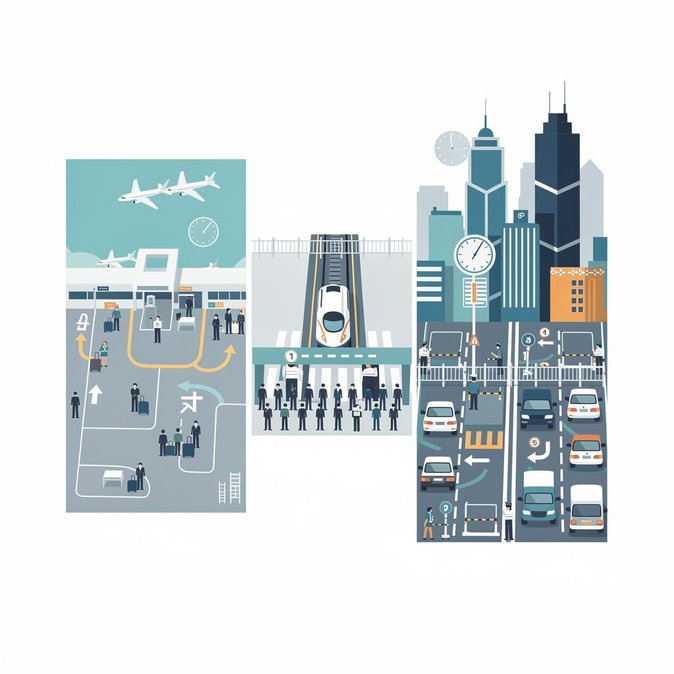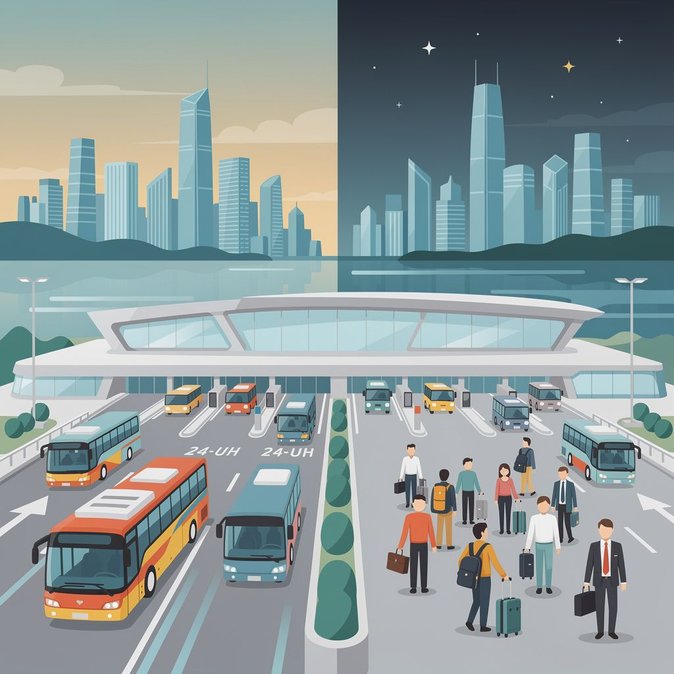
Hong Kong’s acting Secretary for Security told lawmakers on 18 November that the completely reconstructed Huanggang Port—reopened on 12 October—handled an average of 88,000 passenger movements per day up to mid-November, more than twice the throughput of the old Lok Ma Chau checkpoint it replaced. Weekend and holiday peaks already exceed 142,000 travellers daily. To cope, authorities have carved out dedicated public-transport lanes from Fanling Highway and San Tin Highway straight to the new Shenzhen-side concourse, while Hong Kong Police activate traffic-buffer zones to stage private cars when flows spike. Operational refinements include real-time data-sharing with Shenzhen, increased ticketing machines for cross-border coaches and stepped-up enforcement against illegal ride-hailing. The two governments have also agreed in principle to rebuild Sha Tau Kok as a passenger-only port using a ‘co-location one-stop’ clearance model that slashes processing to minutes. For employers with staff shuttling between Hong Kong offices and Shenzhen factories, Huanggang’s 24-hour opening and modern facilities markedly cut journey times, but trip-planning should still account for occasional crowd surges and the diversion of goods traffic to other ports under the ‘east-in-east-out, west-in-west-out’ freight strategy.