Eurowings unveils four new European routes and expanded SunExpress codeshare
Bavaria touts digitalisation drive to speed up migration administration
Bundestag schedules public hearing on AI-powered migration management law
Latest News

German Embassy Kathmandu closed 18 November, visa appointments rescheduled
A sudden one-day closure of Germany’s Kathmandu embassy on 18 November forces all visa applicants to reschedule, risking delays for students and skilled workers. Companies hiring from Nepal should build contingency time into onboarding plans and monitor for new appointment slots.

Bundestag sets 23 November hearing on AI Migration-Administration Act
The Bundestag’s Interior Committee will hold a public hearing on 23 November to examine the draft AI Migration-Administration Act, which introduces digital case-handling deadlines and reusable documents for work-permit processes. Companies stand to benefit from faster processing but must track forthcoming technical standards and accountability rules.

German Embassy in Dhaka to launch fully digital student-visa system
From January 2027 Bangladeshi students will be able to complete the entire German visa process online, cutting paperwork and halving average processing times. The Dhaka embassy’s pilot is part of Berlin’s wider VisaDigital strategy and should ease long-standing appointment shortages, benefiting universities and employers that rely on fast student-to-workforce pipelines.

NRW Refugee Minister denounces Rwanda deportation plan as ‘costly solo effort’
North Rhine-Westphalia’s Refugee Minister Verena Schäffer publicly rejected the federal proposal to create a Rwanda return centre, calling it a costly and legally dubious move. Her opposition underscores federal-state tensions that could complicate the scheme and affect the resources of local migration offices that also handle corporate work-permit applications.

Cabinet adopts labour-law package with mobility-relevant reforms
The Cabinet passed a labour-law reform bill containing provisions that impact international assignments. Fixed-term contracts without cause can run until 2030 and be signed electronically, easing document preparation for visa renewals. Tighter rules on SE structures strengthen employee co-determination, while higher-paid staff face streamlined court dissolution procedures. Mobility managers should prepare to update contract templates once the law is enacted.
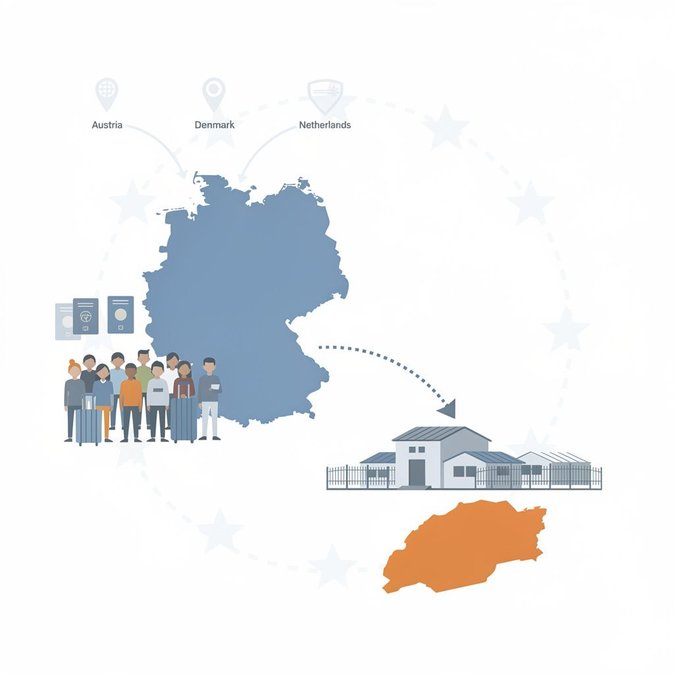
Germany pivots from ‘Wilkommenskultur’ to Rwanda return-hub partnership
Germany has joined Austria, Denmark, Greece and the Netherlands in announcing a ‘return hub’ in Rwanda for rejected asylum seekers—an abrupt break with the country’s 2015 open-door image. The pilot aims to accelerate deportations and ease domestic political pressure but raises legal and human-rights concerns. While regular business immigration is not directly hit, mobility teams should track the tougher political climate and possible knock-on effects for family reunion and humanitarian cases.
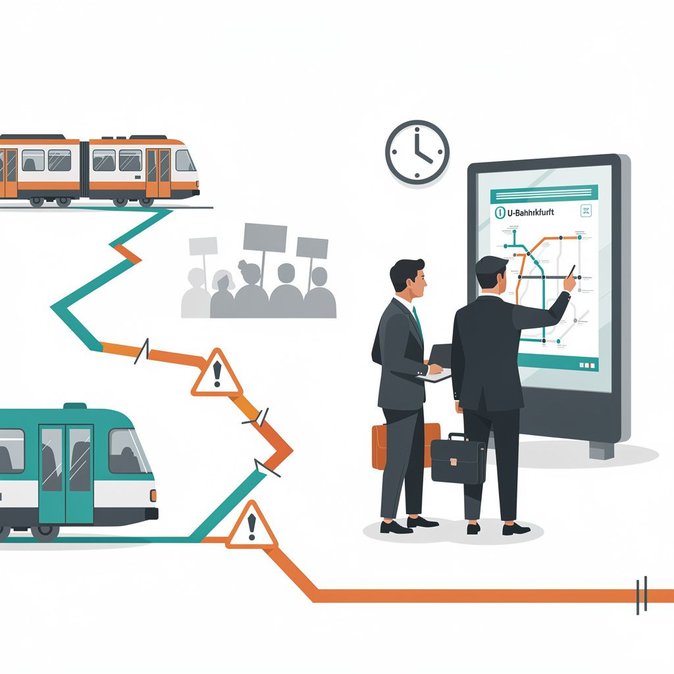
Frankfurt warns of 20 November demonstrations likely to block key tram lines
Frankfurt’s 18 November notice foresees tram and bus diversions during demonstrations on 20 November, potentially delaying business travellers attending meetings or trade fairs. Employers should brief staff on alternative U-Bahn routes and allow extra transit time.

Germany & four EU partners unveil plan for Rwanda “return hub” for rejected asylum-seekers
Berlin has joined Austria, Denmark, Greece and the Netherlands in signing a political agreement to create a Rwanda-based “return hub” for migrants who lose their asylum appeals. The centre would start operating in 2027 and aims to bypass repatriation obstacles. The move signals Germany’s toughest stance on returns in a decade and could speed administrative processes affecting business immigration, but it faces legal and human-rights challenges.
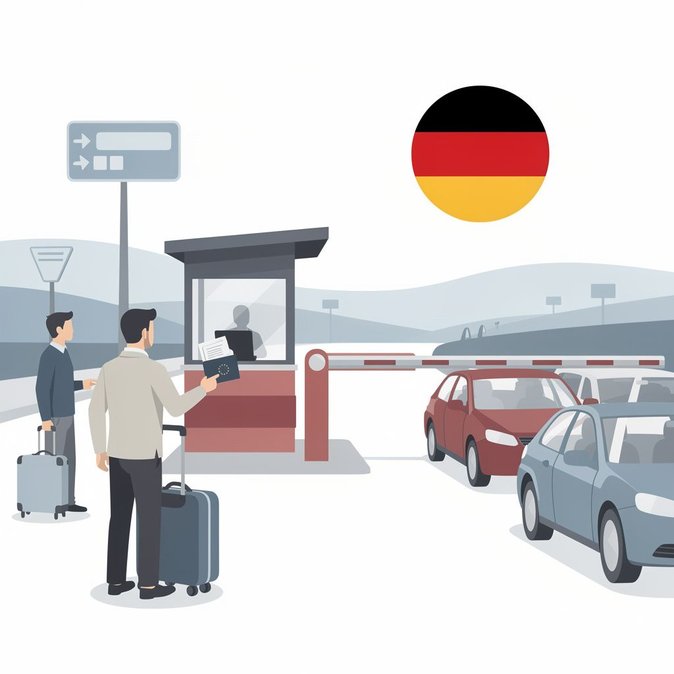
Australia updates travel advice: carry passports as Germany keeps land-border checks
DFAT’s 18 November update warns that Germany’s re-instated land-border checks will continue into 2027. Business and leisure travellers must carry passports and allow for possible delays, reinforcing the need for robust document compliance on short-notice cross-border trips.
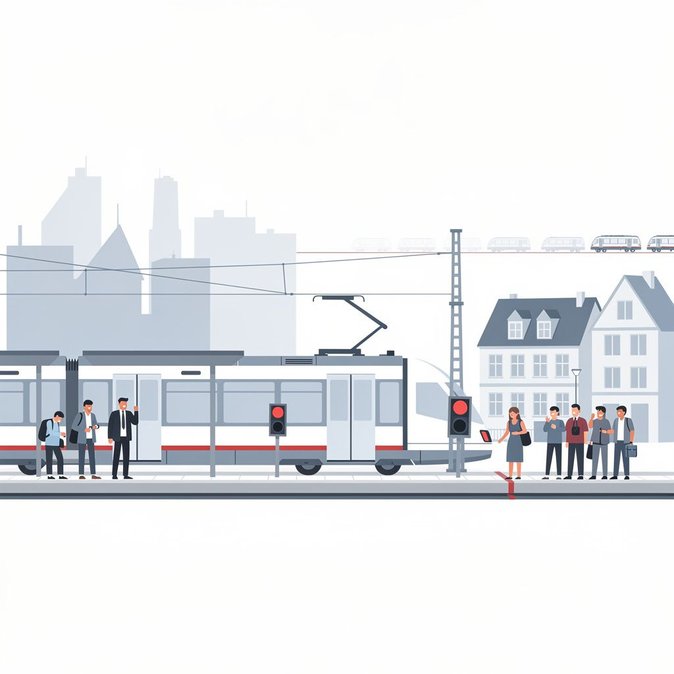
Saarbrücken tram-train strike enters 8th week, minor but persistent travel disruption
A GDL-led strike at Saarbahn continues to affect the Saarbrücken tram-train network, causing minor yet regular cancellations on the Franco-German route. The dispute could escalate, so businesses with cross-border commuters should prepare alternative transport and track union announcements.
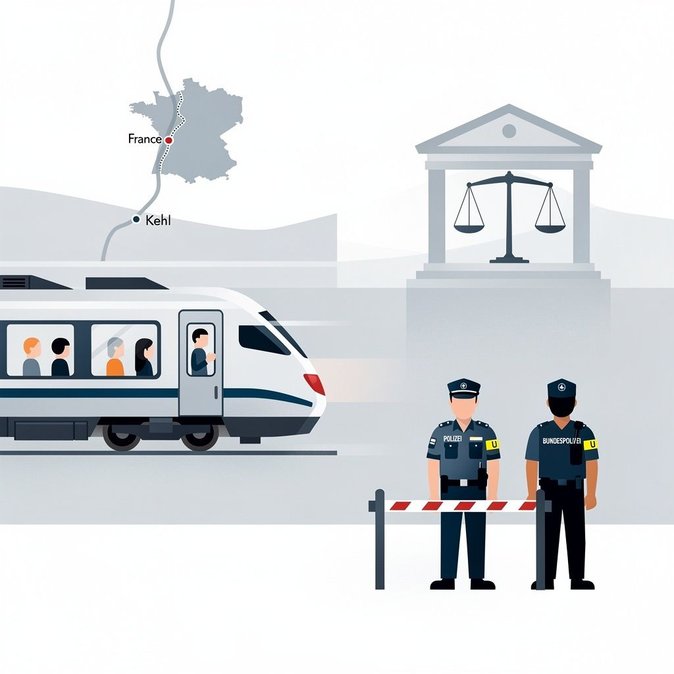
Bundespolizei reports fast-track conviction after attempted illegal entry at Kehl
A Bundespolizei release details how an Algerian man intercepted at Kehl on 15 November was tried and sentenced within three days under Germany’s accelerated procedures, illustrating the practical effects of ongoing internal Schengen border controls. Companies with cross-border rail travellers should ensure strict document compliance as ad-hoc checks continue.
Saarbahn strike enters third month, minor but persistent disruption for cross-border commuters
GDL has prolonged its strike at Saarbahn until 24 December 2026, causing ongoing but localised disruption to the Saarbrücken tram-train network. While classified as minor, the stoppage affects cross-border commuters and could foreshadow broader rail action if talks remain stalled. Companies should refresh contingency travel and remote-work plans.