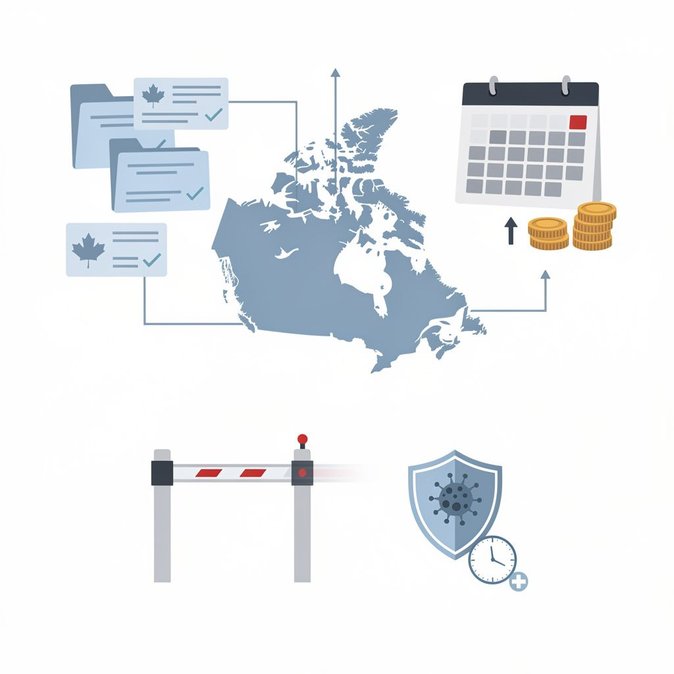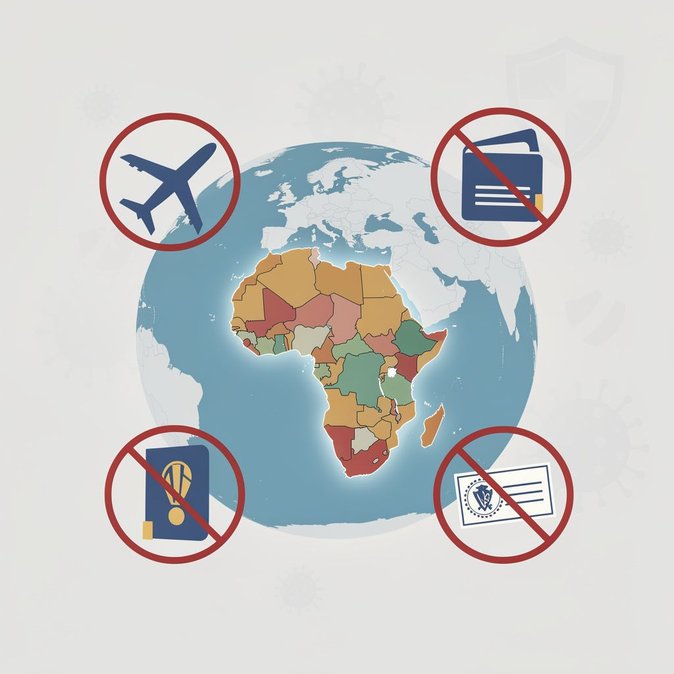
With Ebola cases persisting in central Africa, Immigration, Refugees and Citizenship Canada (IRCC) has renewed emergency border measures for another 90 days. The ministerial notice, dated 27 November 2026, keeps in force a suspension of final visa, work-permit and eTA issuance for applicants who declare residence in the Democratic Republic of the Congo, Uganda or South Sudan. The policy, first introduced in 2019, does not halt application intake; officers may continue processing files and conducting admissibility checks. What it does is freeze final approval and document printing until at least 23:59 ET on 25 February 2027. The suspension applies even if an applicant’s file previously received an approval in principle. IRCC says the temporary measure is a “precautionary, proactive approach” to protect public health. Airlines remain responsible for ensuring travellers subject to the suspension do not board flights to Canada. Carriers that load inadmissible passengers risk Administrative Monetary Penalties of up to CAD 10,000 per traveller and must bear repatriation costs. For Canadian employers and universities recruiting talent in the affected countries, the extension means continued uncertainty. Immigration counsel recommend flagging high-priority candidates early so that security and medical screening can be completed in advance, leaving only document issuance pending once the ban lifts. Companies with critical skills gaps should explore remote-first arrangements or third-country relocation until travel to Canada is permitted. Border specialists also caution that the Ebola measure interacts with routine visa refusals: any application refused during the suspension counts toward Canada’s five-year refusal history, potentially affecting future eTA eligibility. Organisations sponsoring visitors should prepare detailed invitation letters that explain the temporary barrier to travel and outline alternative collaboration plans.