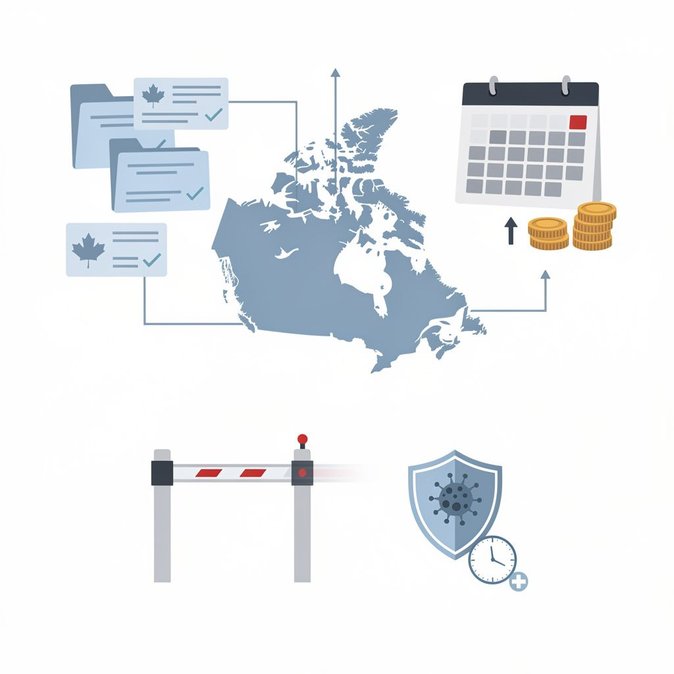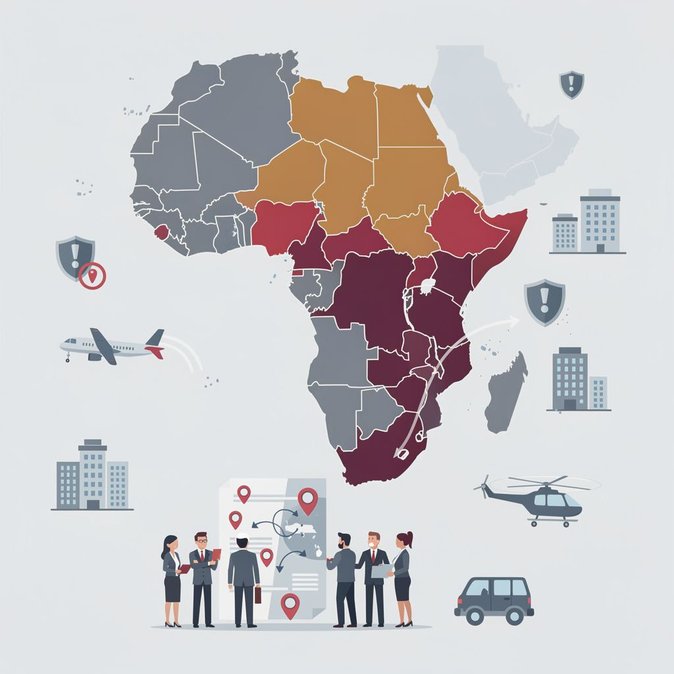
Global Affairs Canada updated its Travel Advice and Advisories portal at 10:10 ET on 27 November 2026, elevating Uganda to “Avoid non-essential travel” amid a resurgence of political protests and sporadic violence in Kampala and several northern districts. At the same time, the department reaffirmed its “Avoid all travel” warning for the neighbouring Democratic Republic of the Congo (Kinshasa) and South Sudan, citing armed clashes near key transport corridors and deteriorating health-care capacity. The change comes less than two weeks before peak holiday travel, catching some Canadian NGOs and mining firms off-guard. Under federal policy, travel contrary to official advisories can invalidate corporate insurance and trigger duty-of-care liabilities. Companies with expatriate staff in Uganda now have to decide whether upcoming rotations qualify as “essential” and ensure that emergency-evacuation plans are up to date. Risk-management consultants note that the advisory upgrade may also complicate immigration logistics: employees using Canadian passport renewals abroad could face curtailed consular services, and the previously issued IRCC Ebola-related visa suspensions mean that affected local hires cannot travel to Canadian headquarters for training until at least late February. For business travellers still planning to proceed, Global Affairs urges strict avoidance of large gatherings, vigilant monitoring of local media and registration with the ‘ROCA’ (Registration of Canadians Abroad) system. Employers should brief travellers on curfews, internet outages and the potential for roadblocks on routes to Entebbe International Airport. While the advisory carries no immediate legal force, history shows that many travel-insurance underwriters and airline safety desks use Ottawa’s risk levels as a baseline. Mobility managers should review coverage and obtain written confirmation from carriers and insurers before dispatching staff.