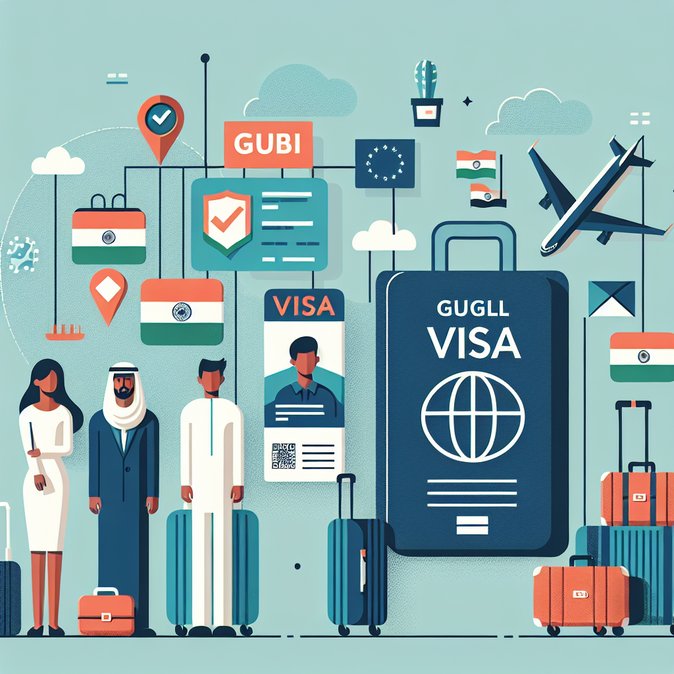
Saudi Tourism Minister Ahmed Al-Khateeb confirmed on 29 December that the Gulf Cooperation Council’s long-awaited unified tourist visa will not debut in 2025 as earlier promised, but in 2026 at the earliest. The delay stems from difficulties synchronising security databases, revenue-sharing formulas and overstayer penalties across the six member states.
The setback frustrates Indian tour operators who had begun packaging multi-city Gulf itineraries for next winter. Around 8.9 lakh Indian leisure travellers visited GCC countries in 2024-25, with Dubai, Muscat and Doha forming the most popular circuit. A single visa could have slashed costs by up to ₹12,000 per traveller and encouraged longer stays.
![GCC ‘Schengen-style’ unified tourist visa pushed to 2026, dimming hopes of seamless Gulf trips for Indians]()
Corporate mobility managers also saw the scheme as a boon for executives overseeing regional sales teams, who currently juggle separate entry permits for the UAE, Saudi Arabia and Qatar. “With oil-to-renewables diversification, we need engineers hopping between sites weekly. The delay means more paperwork and slower project cycles,” lamented a mobility head at an Indian EPC firm active in the Gulf.
GCC officials insist progress continues: a pilot inter-operable e-visa portal is in beta testing, and biometric data-sharing agreements have been signed. Analysts say the extra year offers India time to push for reciprocal business-visa concessions under its bilateral CECAs with UAE and Oman.
The setback frustrates Indian tour operators who had begun packaging multi-city Gulf itineraries for next winter. Around 8.9 lakh Indian leisure travellers visited GCC countries in 2024-25, with Dubai, Muscat and Doha forming the most popular circuit. A single visa could have slashed costs by up to ₹12,000 per traveller and encouraged longer stays.

Corporate mobility managers also saw the scheme as a boon for executives overseeing regional sales teams, who currently juggle separate entry permits for the UAE, Saudi Arabia and Qatar. “With oil-to-renewables diversification, we need engineers hopping between sites weekly. The delay means more paperwork and slower project cycles,” lamented a mobility head at an Indian EPC firm active in the Gulf.
GCC officials insist progress continues: a pilot inter-operable e-visa portal is in beta testing, and biometric data-sharing agreements have been signed. Analysts say the extra year offers India time to push for reciprocal business-visa concessions under its bilateral CECAs with UAE and Oman.
Source: Times of India – Middle East