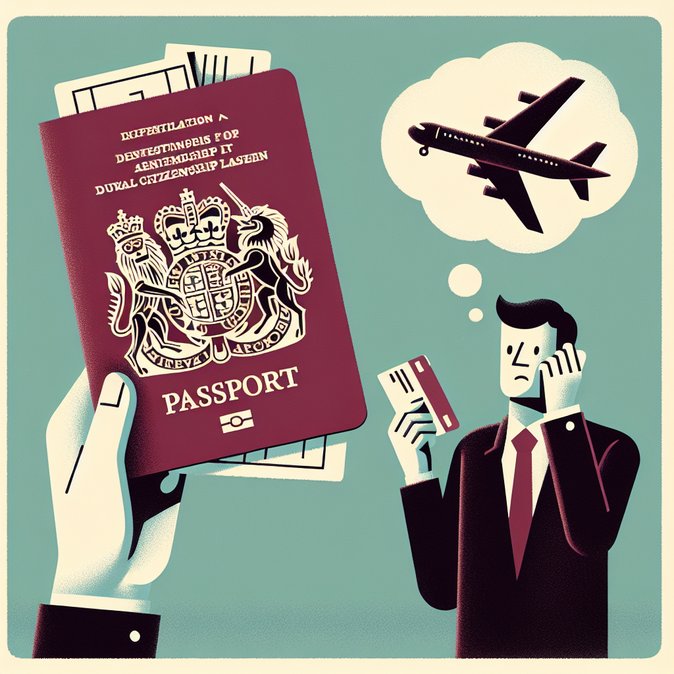
Relocation services firm Crown World Mobility is warning clients that the informal grace period during which airlines could board UK-bound visitors without a confirmed Electronic Travel Authorisation will end on 25 February 2026. Citing a briefing to the House of Commons Library, the firm notes that carriers have upgraded departure-control systems to receive real-time “permission to travel” responses from Border Force. From next week, check-in staff must scan passports and verify an ETA or risk immediate financial penalties.
The rule has particular consequences for British dual nationals who previously relied on a foreign passport to travel. They are not eligible for an ETA, so the system will return a ‘no record found’ response unless they present a UK or Irish passport. Employers moving staff on short-term projects must therefore confirm both ETA status for non-visa nationals and correct passports for dual citizens.
![Corporate Mobility Alert: ETA ‘Grace Period’ Ends—Carriers to Enforce Checks Next Week]()
Crown advises business-travel managers to build at least 72 hours into itinerary planning for ETA approvals and to update online booking tools so that travellers cannot finalise a trip without an ETA reference number. Companies are also reviewing their duty-of-care protocols: if an employee is refused boarding overseas, the cost of alternative flights and accommodation could be significant.
With Europe’s Schengen Entry/Exit System due to expand biometric checks from April and Canada tightening eTA screening, the UK’s hard deadline adds to a growing compliance burden. Mobility teams should circulate clear step-by-step guidance and consider bulk purchasing corporate credit cards dedicated to ETA fees to avoid reimbursement delays.
The rule has particular consequences for British dual nationals who previously relied on a foreign passport to travel. They are not eligible for an ETA, so the system will return a ‘no record found’ response unless they present a UK or Irish passport. Employers moving staff on short-term projects must therefore confirm both ETA status for non-visa nationals and correct passports for dual citizens.

Crown advises business-travel managers to build at least 72 hours into itinerary planning for ETA approvals and to update online booking tools so that travellers cannot finalise a trip without an ETA reference number. Companies are also reviewing their duty-of-care protocols: if an employee is refused boarding overseas, the cost of alternative flights and accommodation could be significant.
With Europe’s Schengen Entry/Exit System due to expand biometric checks from April and Canada tightening eTA screening, the UK’s hard deadline adds to a growing compliance burden. Mobility teams should circulate clear step-by-step guidance and consider bulk purchasing corporate credit cards dedicated to ETA fees to avoid reimbursement delays.
Source: Crown World Mobility