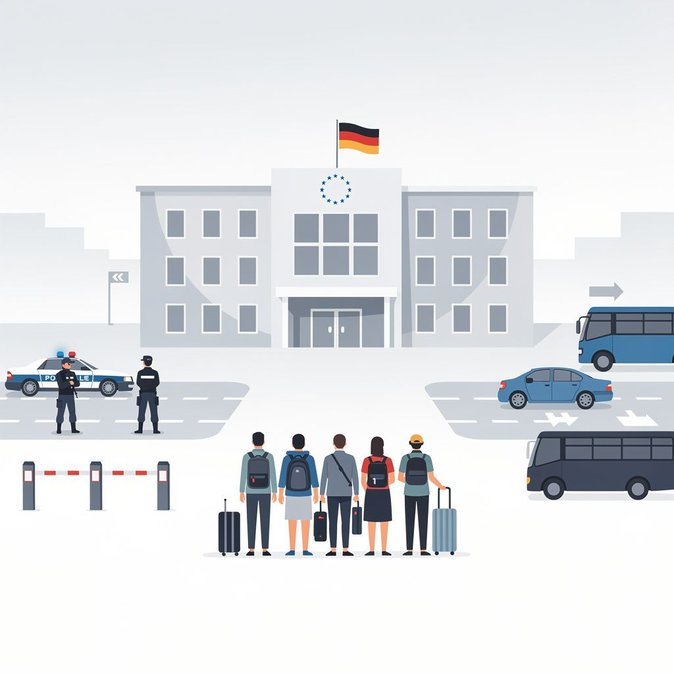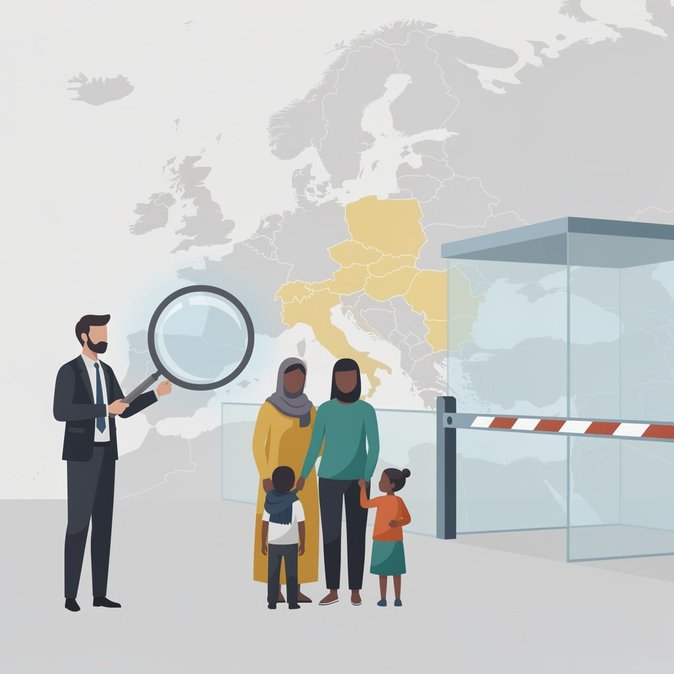
On the eve of the EU asylum reform, the German Institute for Human Rights (DIMR) published a 12-page statement warning authorities against over-using the Pact’s new detention options. The institute will, together with the National Agency for the Prevention of Torture, act as an independent monitoring mechanism from today. DIMR flags three red lines: (1) children should never be held in border procedures; (2) vulnerable applicants must be released if medical or psychological care cannot be guaranteed; and (3) access for legal counsel and NGOs must remain ‘effective’, even where § 12c AsylG allows restrictions. Failure could expose Germany to infringement proceedings or ECHR litigation. For employers the note is a reminder that family relocation cases involving minor children could be delayed if border authorities apply detention broadly – HR should prepare contingency accommodation and schooling plans. Airlines that transport minors may also face reputational exposure if children end up in closed centres. The institute promises to publish an annual report with case studies. Companies sponsoring high-volume relocations may wish to subscribe; previous DIMR audits of integration courses have shaped funding guidelines. Federal police say operational instructions already emphasise proportionality, but training for 2,000 new border guards is still under way. In practice, the DIMR’s scrutiny could moderate the harsher elements of the new system.