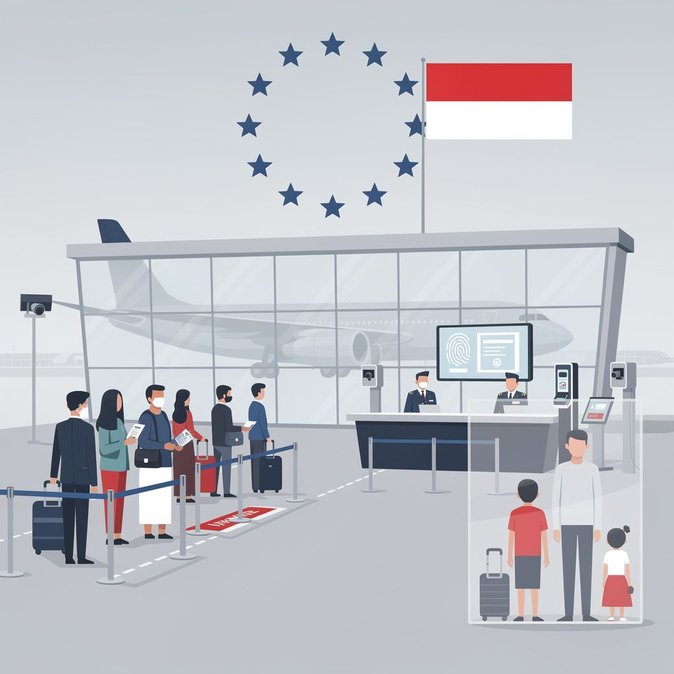
Austria marked 12 June 2026 by simultaneously activating the European Union’s long-negotiated Pact on Migration and Asylum and unveiling the national budget line that will pay for it. Interior Minister Gerhard Karner told reporters in Vienna that the new rules represent “the biggest reform and tightening of asylum and immigration law in 20 years”. Under the pact, every person who arrives irregularly at a Schengen external border must complete a biometric pre-screening lasting up to seven days. Austria’s share of that task will be handled primarily at Vienna International Airport, where dedicated screening lanes and detention rooms have been readied.
Amid these shifting requirements, travellers and mobility managers can turn to VisaHQ for real-time guidance on Austria’s entry rules. The service’s Austria portal (https://www.visahq.com/austria/) consolidates the latest updates on biometric capture, family-reunification suspensions and business-visa procedures, and can even handle application logistics when paperwork is required, helping visitors avoid last-minute surprises at the airport.
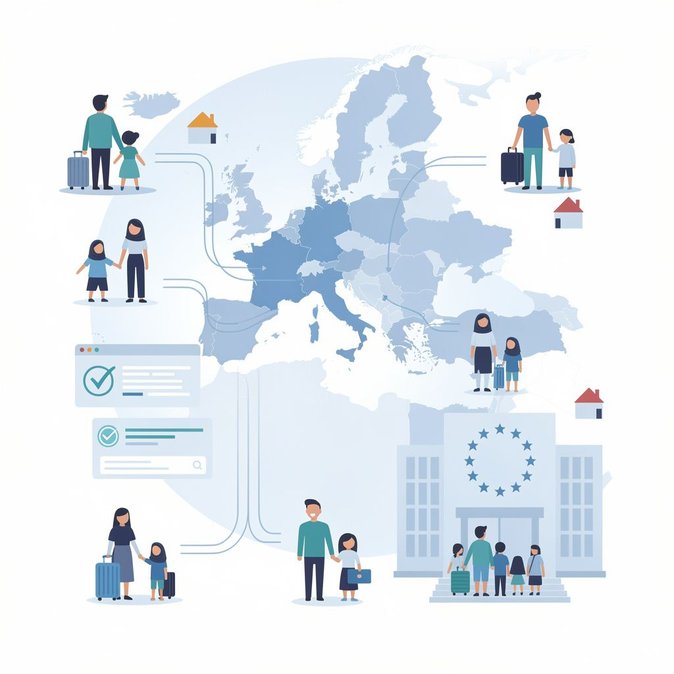
Karner stressed that the upgraded Eurodac fingerprint database will be used in Austria for children from six years upwards, lowering the previous 14-year threshold. The minister confirmed that the politically sensitive freeze on family-reunification visas will stay in force “for the coming months” until a quota system is agreed with the provinces. In practice that means family-reunion approvals will remain close to zero—fewer than 50 have been granted so far this year. To make the system stick, the 2027/28 “security budget” keeps spending at about €4.1 billion a year while cutting asylum-related outlays by 20 percent. Extra money will be diverted to 1,400 new police trainees annually, expanded airport holding facilities and IT upgrades that link provincial alien-police units to Eurodac in real time. For employers, the immediate impact is twofold: business travellers from visa-waiver countries can expect longer queues at Vienna Airport as officers complete biometric capture, and companies planning intra-company transfers should note that the freeze on family reunification affects dependent visas. Karner said the government would review operational snags “after the summer peak”.
Amid these shifting requirements, travellers and mobility managers can turn to VisaHQ for real-time guidance on Austria’s entry rules. The service’s Austria portal (https://www.visahq.com/austria/) consolidates the latest updates on biometric capture, family-reunification suspensions and business-visa procedures, and can even handle application logistics when paperwork is required, helping visitors avoid last-minute surprises at the airport.
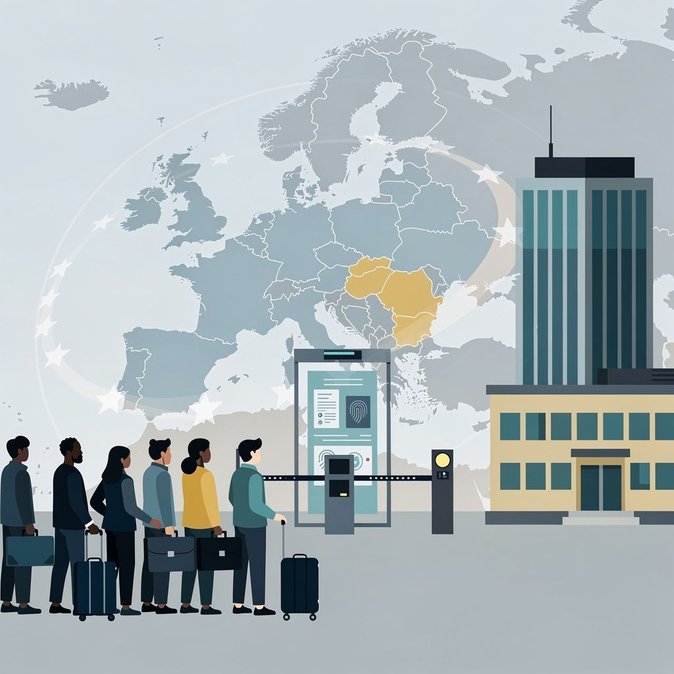
Karner stressed that the upgraded Eurodac fingerprint database will be used in Austria for children from six years upwards, lowering the previous 14-year threshold. The minister confirmed that the politically sensitive freeze on family-reunification visas will stay in force “for the coming months” until a quota system is agreed with the provinces. In practice that means family-reunion approvals will remain close to zero—fewer than 50 have been granted so far this year. To make the system stick, the 2027/28 “security budget” keeps spending at about €4.1 billion a year while cutting asylum-related outlays by 20 percent. Extra money will be diverted to 1,400 new police trainees annually, expanded airport holding facilities and IT upgrades that link provincial alien-police units to Eurodac in real time. For employers, the immediate impact is twofold: business travellers from visa-waiver countries can expect longer queues at Vienna Airport as officers complete biometric capture, and companies planning intra-company transfers should note that the freeze on family reunification affects dependent visas. Karner said the government would review operational snags “after the summer peak”.