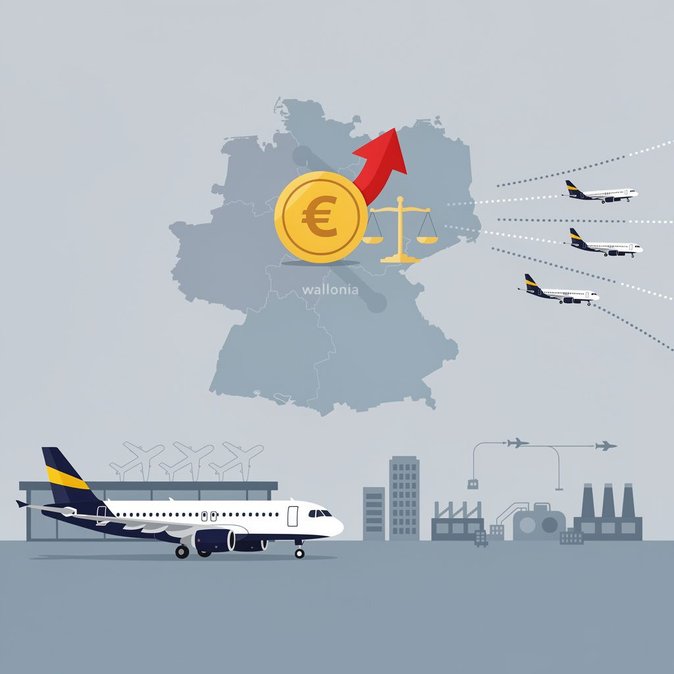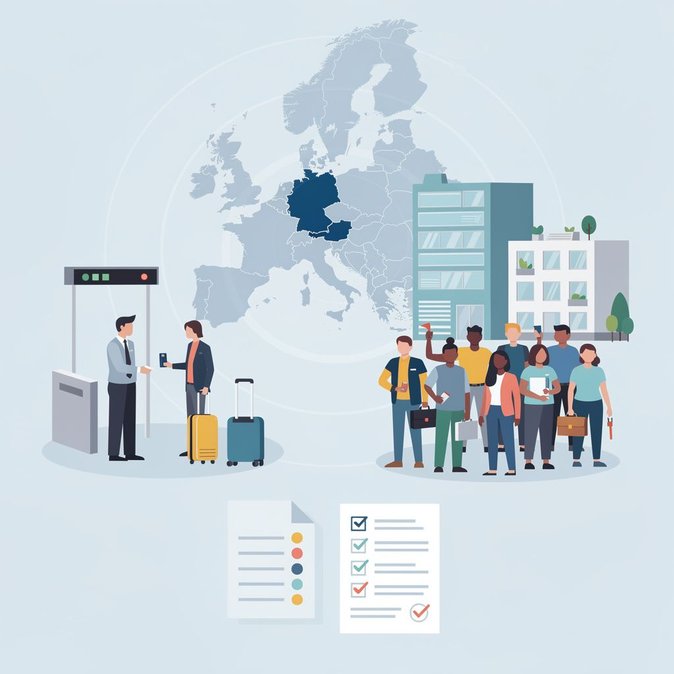
After almost a decade of political wrangling in Brussels, the European Union’s Pact on Migration and Asylum entered into force at midnight on 12 June 2026. For Belgium, one of the bloc’s main points of arrival and transit, the change is far more than a symbolic milestone: it launches a 18-month sprint to re-code every stage of the asylum and return process, expand digital controls at the external border, and agree on the solidarity contributions Belgium may have to make if arrivals spike in Mediterranean countries. Under the new framework, asylum claims lodged at Belgian airports, seaports and land borders must be pre-registered in the EU-wide Entry/Exit System (EES) and a parallel biometric “EuroDAC II” database within three days. Case-handling deadlines will shorten from six to four months, with fast-track procedures of 12 weeks for applicants from “safe” countries. Brussels Airport and the Federal Police say they have already upgraded six e-gates and installed 48 mobile fingerprint scanners to cope with the extra workload; a new 230-seat transit screening centre next to Pier B becomes operational next week. The Immigration Office (DVZ) has created a 50-person “Pact Implementation Taskforce” to coordinate the IT roll-out with the regions and local reception centres. For employers, the biggest practical shift is indirect: the pact’s Reception Regulation now gives asylum-seekers the right to work after six (instead of nine) months in the procedure. In sectors already struggling with labour shortages—logistics around the Port of Antwerp, health-care in Flanders and hospitality across Brussels—staffing agencies expect a modest but welcome boost in talent pools by early 2027. On the risk side, companies that provide housing for posted or temporary workers must ensure the accommodation meets the new EU-wide quality standards that Belgium has agreed to embed in regional labour codes. Politically, the Belgian government is presenting the pact as proof that “European solutions are possible,” a message aimed at blunting criticism from the far-right Vlaams Belang ahead of next year’s federal elections. Yet officials privately concede that detention capacity, return flights, and coordination with France and the Netherlands on cross-border surveillance remain weak links. Civil-society groups are already preparing court challenges against the extension of pre-removal detention to 24 months, arguing that it violates Article 6 of the Belgian Constitution. For business-traveller programmes, global mobility managers should update pre-trip checklists: (1) budget an extra 10–15 minutes for third-country nationals to clear EES kiosks at Brussels Airport until passenger familiarity improves; (2) verify that posted-worker notifications reference the new “solidarity fee” mechanism (an IT box in LIMOSA has been added); and (3) monitor upcoming regional circulars, expected by October, which will transpose the pact’s labour-market-access rules into Flanders, Wallonia and Brussels Capital Region.
Source: Reuters via StreetInsider