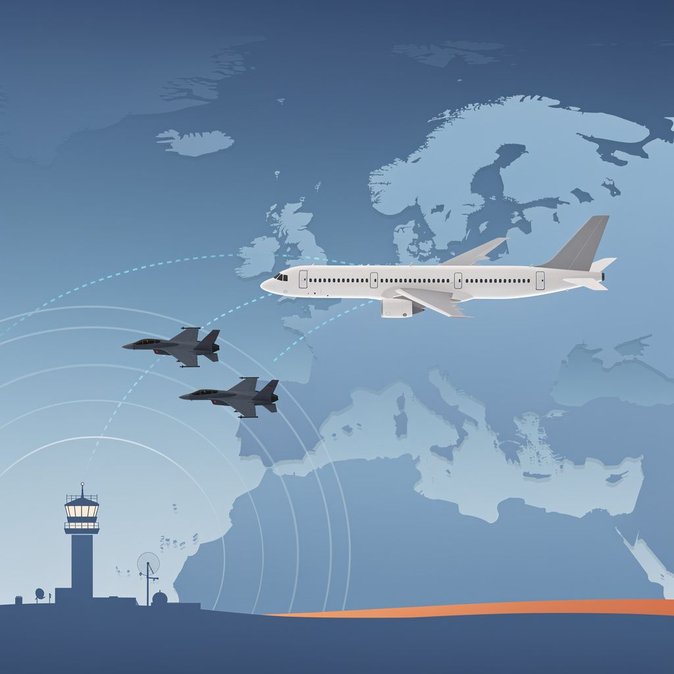
In a reminder of the aviation-security stakes for Central Europe’s busiest corporate corridor, Hungarian air-defence authorities scrambled Gripen fighters on Thursday evening (11 June) when an Airbus A321 operating El Al’s TLV–PRG service lost radio contact en route to Czechia. According to Czech daily Blesk, communication blacked out shortly after the jet entered Hungarian airspace, triggering NATO’s Quick Reaction Alert protocol. Pilots re-established contact within minutes and the aircraft continued to Prague without incident, but the alarm temporarily raised security levels at Václav Havel Airport. The Czech Air Force confirmed that its own fighters were placed on standby, though they were not launched. The episode follows last month’s drone scare at Kraków Airport and underlines airlines’ dependence on flawless cockpit-ATC links as European skies become more crowded. Corporate travel managers should ensure travellers know that temporary holding patterns or diversions are not uncommon when such alerts occur, and that duty-of-care tracking tools can reduce anxiety. Under EU Regulation 1034/2025 carriers must report communication failures exceeding five minutes; regulators use the data to fine-tune transponder-monitoring algorithms. Analysts say the growing frequency of alerts could accelerate adoption of space-based ADS-B surveillance, which offers global coverage including traditional radio “dead zones.” While Thursday’s scramble ended safely, officials reiterate that loss of contact can escalate within seconds. Czechia’s transport ministry plans a de-brief with El Al next week; no schedule changes are expected, but contingency procedures will be circulated to ground-handling agents.
Source: Blesk.cz