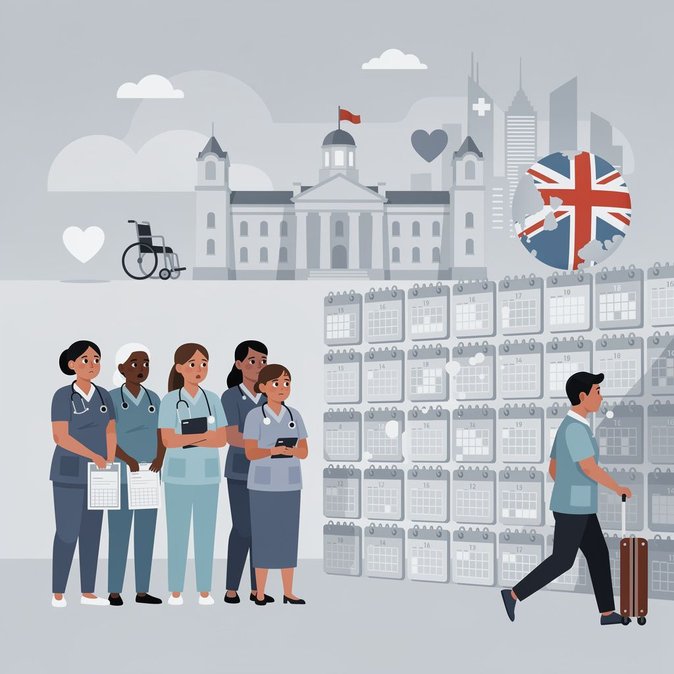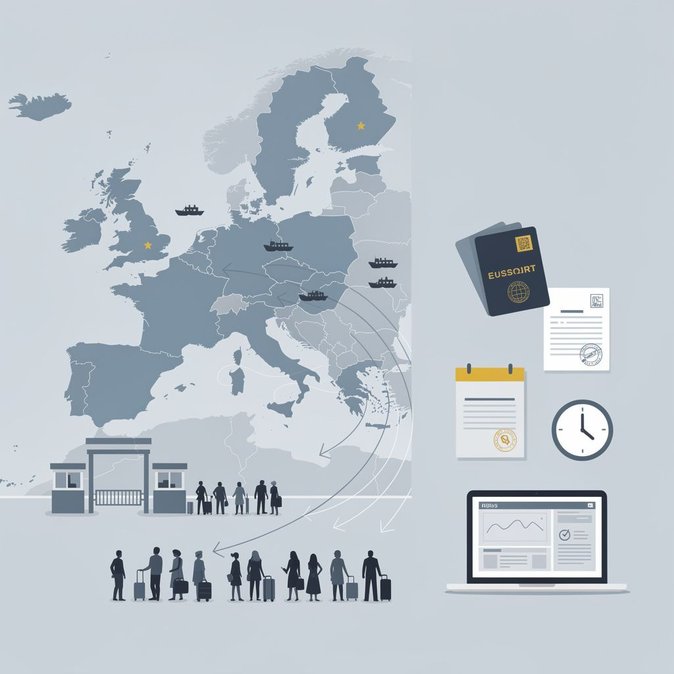
Immigration advisers JPS Immigration have confirmed that, from 8 January 2026, new main applicants under the Skilled Worker, Scale-Up and High Potential Individual visa categories must meet a B2 (upper-intermediate) level of English, up from the previous B1 benchmark. The change, introduced by the March 2026 Statement of Changes, is designed to support “workplace integration and productivity,” according to the Home Office. B2 equates to roughly A-level proficiency. Applicants can evidence it via a Secure English Language Test, an English-taught degree or nationality of a majority English-speaking country. Dependants are not caught by the rule, but the government has hinted that family language thresholds will rise as settlement reforms roll forward. For employers the impact is twofold. First, recruitment lead-times may lengthen while candidates book and pass higher-level tests—currently suffering backlogs in some countries. Second, sponsors must update internal checklists: assigning a Certificate of Sponsorship when the applicant’s test certificate shows B1 will now trigger an automatic visa refusal and could hurt the sponsor licence’s refusal-rate KPI, recently cut to 5 %. Transitional protection means migrants already in the UK on the affected routes can usually extend on B1, but those planning settlement after 26 March 2027 must also hit B2. Global-mobility teams should remind existing staff of that future hurdle and, where necessary, arrange funded language training early in the visa cycle. The upgrade aligns the UK with Canada and Australia, which already require IELTS level 6 (B2) or above for many skilled routes—part of a wider international trend toward raising linguistic thresholds as governments seek to reassure domestic voters while still courting global talent.
Source: JPS Immigration