Low-cost carrier HK Express officially moved its entire check-in and boarding operation to the rebuilt Terminal 2 (T2) at Hong Kong International Airport on 11 June, becoming the first airline to occupy the facility full-time. Forty-seven flights departed smoothly on opening day, according to Airport Authority Hong Kong, signalling that the long-awaited hand-over of the terminal is on schedule ahead of the summer peak.
Separately, travellers wondering whether they need travel visas for HK Express’s expanding network can take advantage of VisaHQ’s digital services. The company’s Hong Kong portal (https://www.visahq.com/hong-kong/) offers real-time requirement checks, electronic application filing and courier support, helping passengers secure entry permits quickly before departing from the new Terminal 2.
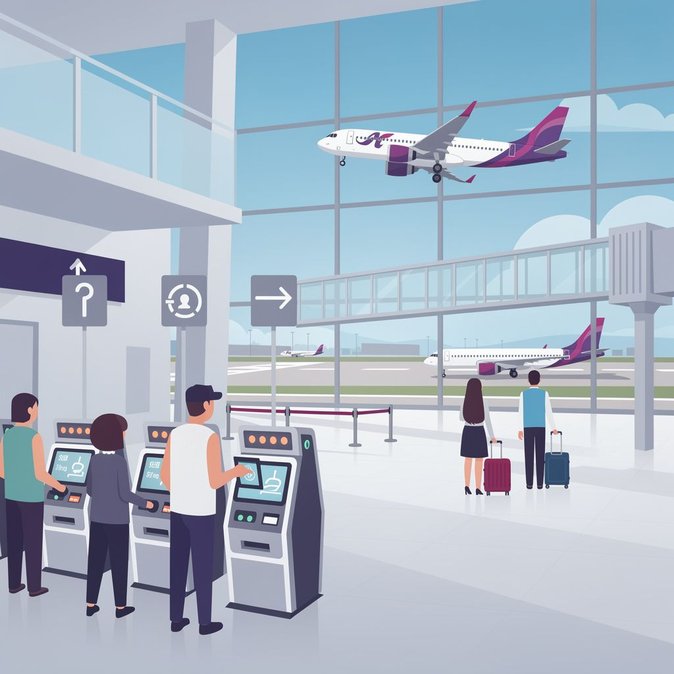
For travellers, the relocation brings more self-service kiosks, automated bag drops and direct access to the airport’s new skybridge that connects T2 to the satellite Concourse 1 gates. HK Express says the additional counters and wider queuing areas will increase passenger-handling capacity by 30 percent—critical as the carrier targets double-digit traffic growth and gears up to launch a Wuxi route on 17 July. Corporate travel managers should note routing implications. Many regional services operated by HK Express—including popular sectors to Tokyo-Haneda, Seoul-Incheon and Bangkok—will now arrive and depart from T2 gates rather than Terminal 1. Travellers transiting to Cathay Pacific or other partners may need extra air-side shuttle time until way-finding systems are fully bedded in. Airport planners view T2 as a linchpin of the Three-Runway System programme, which aims to raise HKIA’s annual passenger capacity beyond 120 million by the early 2030s. Consolidating HK Express—the airport’s second-largest airline by movements—creates breathing room in Terminal 1 for marquee carriers and premium-traffic growth without building entirely new piers. The move also aligns with Hong Kong’s push to restore its status as a budget-travel hub in Asia. With Jetstar Asia and AirAsia expected to shift selected flights to T2 later this year, the terminal is set to become a focal point for price-sensitive leisure and small-business traffic, offering simplified transfers to ferries, cross-boundary buses and the soon-to-open Airportcity Link commercial district.
Separately, travellers wondering whether they need travel visas for HK Express’s expanding network can take advantage of VisaHQ’s digital services. The company’s Hong Kong portal (https://www.visahq.com/hong-kong/) offers real-time requirement checks, electronic application filing and courier support, helping passengers secure entry permits quickly before departing from the new Terminal 2.
For travellers, the relocation brings more self-service kiosks, automated bag drops and direct access to the airport’s new skybridge that connects T2 to the satellite Concourse 1 gates. HK Express says the additional counters and wider queuing areas will increase passenger-handling capacity by 30 percent—critical as the carrier targets double-digit traffic growth and gears up to launch a Wuxi route on 17 July. Corporate travel managers should note routing implications. Many regional services operated by HK Express—including popular sectors to Tokyo-Haneda, Seoul-Incheon and Bangkok—will now arrive and depart from T2 gates rather than Terminal 1. Travellers transiting to Cathay Pacific or other partners may need extra air-side shuttle time until way-finding systems are fully bedded in. Airport planners view T2 as a linchpin of the Three-Runway System programme, which aims to raise HKIA’s annual passenger capacity beyond 120 million by the early 2030s. Consolidating HK Express—the airport’s second-largest airline by movements—creates breathing room in Terminal 1 for marquee carriers and premium-traffic growth without building entirely new piers. The move also aligns with Hong Kong’s push to restore its status as a budget-travel hub in Asia. With Jetstar Asia and AirAsia expected to shift selected flights to T2 later this year, the terminal is set to become a focal point for price-sensitive leisure and small-business traffic, offering simplified transfers to ferries, cross-boundary buses and the soon-to-open Airportcity Link commercial district.