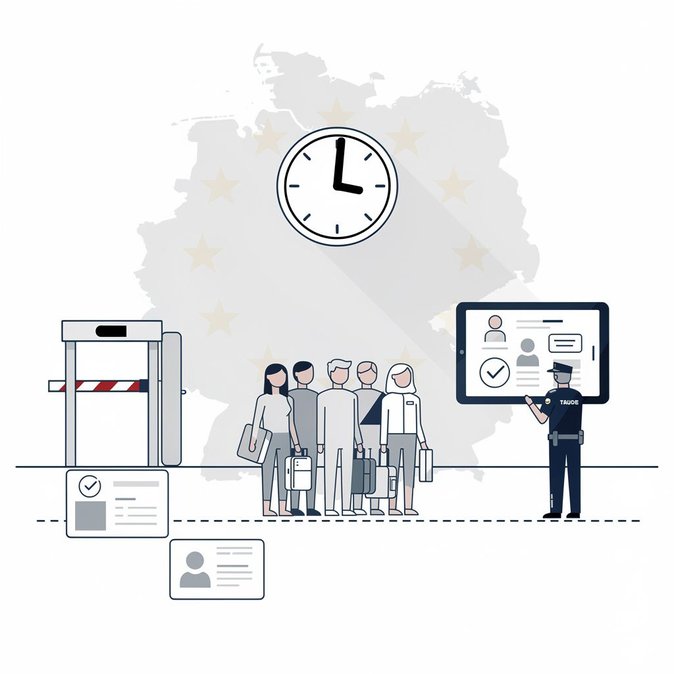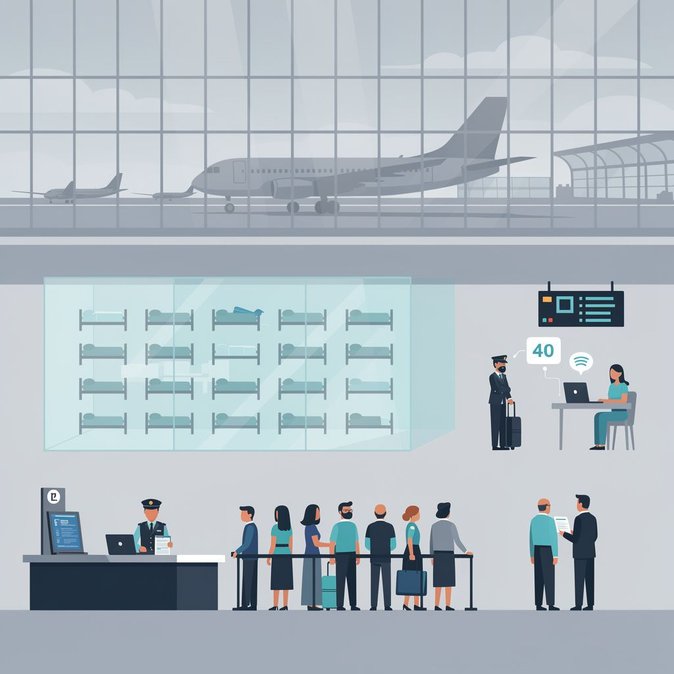
With flashbulbs popping, Interior Minister Dobrindt cut the ribbon on a new 40-place ‘Grenzverfahren Zone’ inside Berlin Brandenburg Airport (BER) on 12 June. The facility—part of Germany’s implementation of GEAS—allows asylum applications to be lodged, heard and, where necessary, appealed without the traveller formally entering German territory. Authorities expect the centre to process around 4,000 cases a year, focusing on applicants from Georgia, Moldova and the Western Balkans judged by the EU as ‘safe.’ Admissible cases will be transferred to Brandenburg’s state reception system; inadmissible claims could see applicants returned on the next available flight. The practical impact for international mobility managers is a potential increase in same-day refusals: travellers arriving on questionable paperwork may never leave the airside zone. Airlines operating to BER must now transmit passenger data 48 hours in advance so that the Federal Police can pre-select high-risk arrivals. Companies booking last-minute tickets for assignees from visa-exempt but politically sensitive states should factor in the new lead time. The facility includes video-link court rooms and medical screening bays, showcasing Germany’s push to digitise border adjudication. NGOs criticised the modest 40-bed capacity, warning of overcrowding if arrivals surge during peak summer travel.
Source: n-tv